Knee arthroscopy is a minimally invasive keyhole procedure performed by an experienced knee arthroscopy surgeon to diagnose and treat knee problems, including meniscus tears, ACL injuries and cartilage damage, through two or three tiny incisions. Day-care procedure. Back on your feet in days, not weeks.
Our specialist will call you within 2 hours
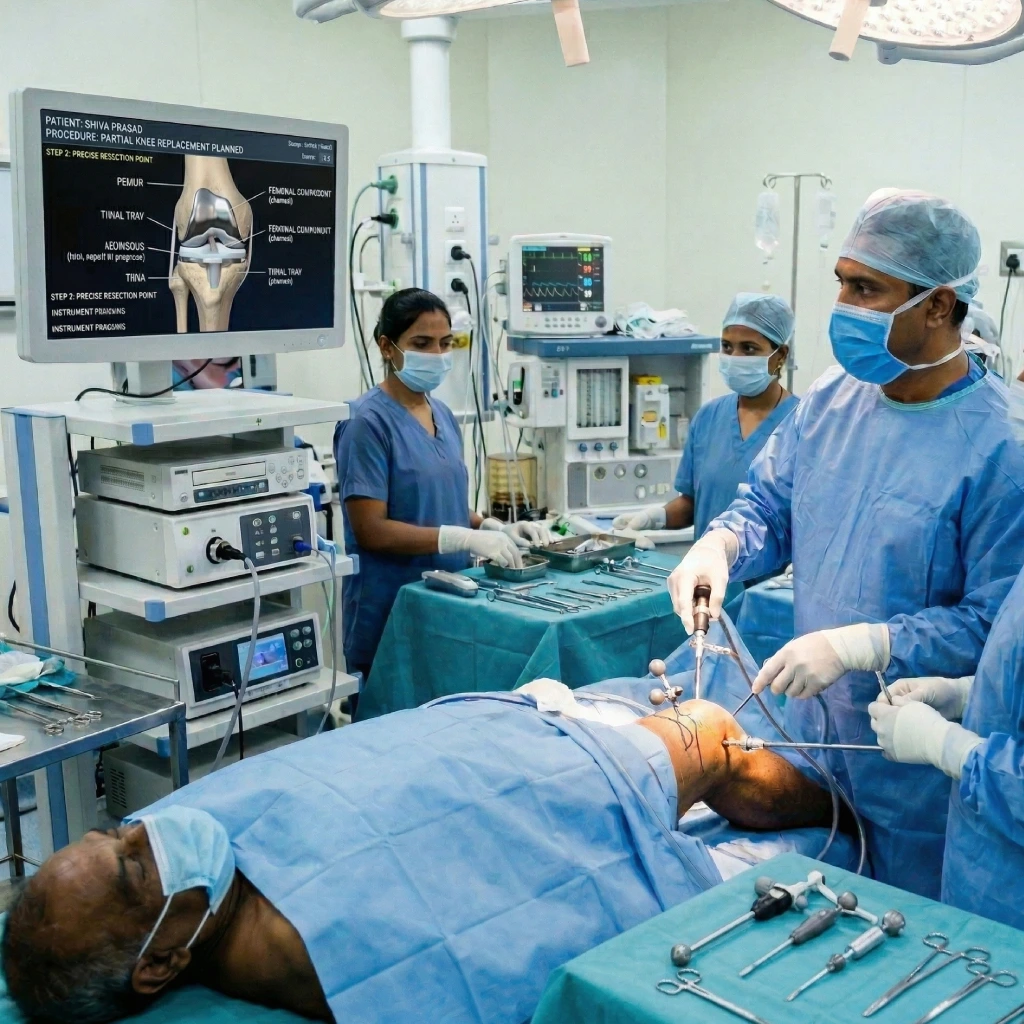
Knee arthroscopy is a minimally invasive surgical procedure in which an orthopaedic surgeon inserts a thin camera, the arthroscope, into the knee joint through a small incision of approximately 5mm. The camera transmits a live, magnified view of the inside of the joint onto a screen, allowing the surgeon to diagnose and treat a wide range of knee conditions without the large incisions, prolonged hospital stay and extended recovery of open knee surgery.
At Trayam Hospital, every knee arthroscopy surgeon focuses on performing this procedure as a day-care treatment under general or spinal anaesthesia, allowing most patients to be discharged the same day. Two or three small portals (incisions) allow the surgeon to introduce instruments alongside the camera to repair or remove damaged tissue. The procedure is both diagnostic — revealing the exact source of knee pain when scans have not given a clear answer — and therapeutic, treating conditions ranging from meniscus tears to ACL reconstruction and cartilage repair in a single session.
If you're experiencing any of these symptoms, a consultation with our specialist is recommended
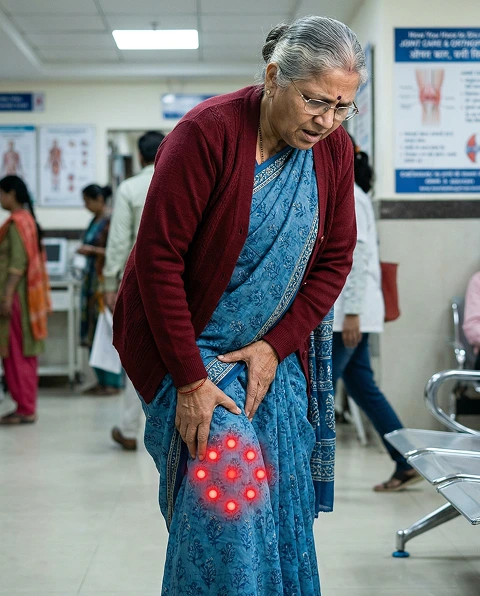
The knee suddenly locks in a fixed position or catches during movement — a classic sign of a displaced meniscus tear or loose body inside the joint. Arthroscopy can remove or repair the fragment causing the mechanical obstruction.
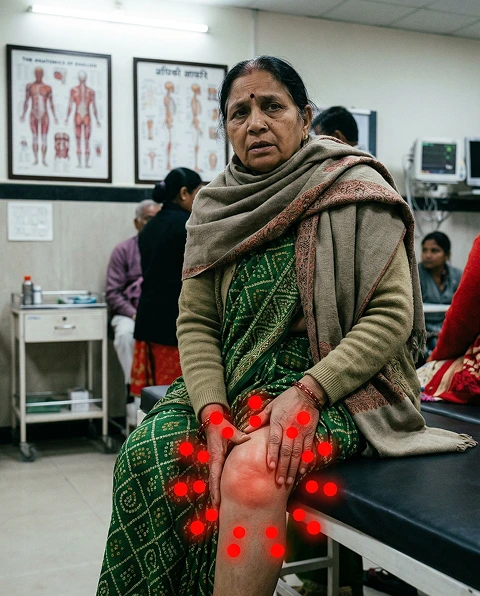
The knee suddenly gives way or feels unstable, especially during direction changes, stairs or uneven ground — a hallmark of ACL or PCL ligament injury. Arthroscopic ACL reconstruction restores stability and prevents long-term joint damage.
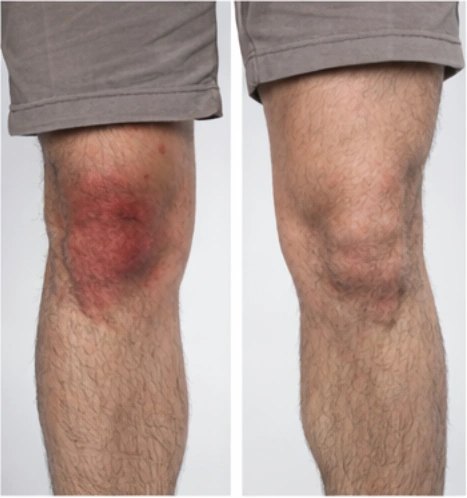
Swelling inside the knee joint that returns repeatedly or never fully resolves — despite rest, physiotherapy and anti-inflammatory medication. Joint effusion is the knee's response to internal damage and warrants arthroscopic assessment when it persists.
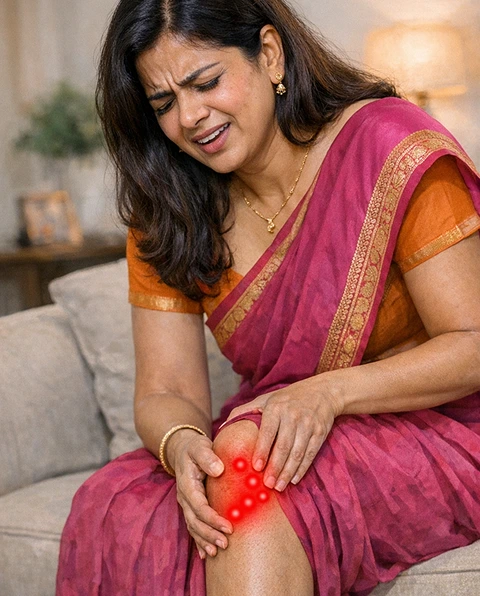
Pain precisely along the inner or outer joint line of the knee — the site of the meniscus. This is the most reliable clinical sign of a meniscus tear and, when confirmed on MRI, is a strong indication for arthroscopic treatment.
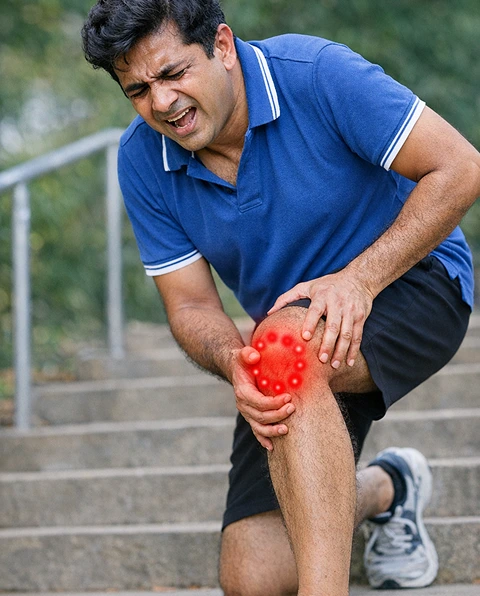
A twisting injury during sport — football, cricket, running, badminton — causing immediate pain, swelling and loss of function. The majority of significant sports knee injuries involve the meniscus, ACL or articular cartilage — all treatable arthroscopically.
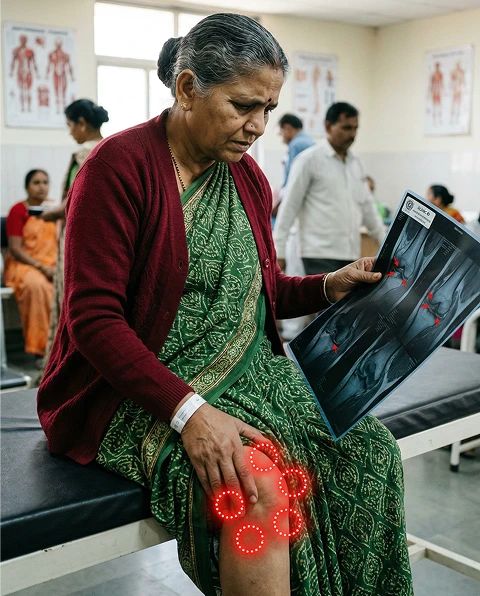
MRI showing a possible meniscus tear, cartilage lesion or ligament injury that is not definitive, or where the clinical picture does not match the scan findings. Arthroscopy provides direct visual confirmation and allows immediate treatment in the same session.
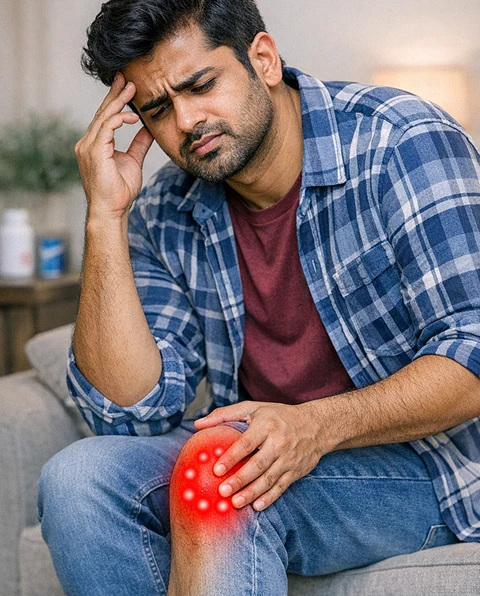
Knee pain that has persisted for more than 3 months despite physiotherapy, anti-inflammatory medication and activity modification — particularly in a younger patient where the pain is likely mechanical (structural) rather than purely arthritic.
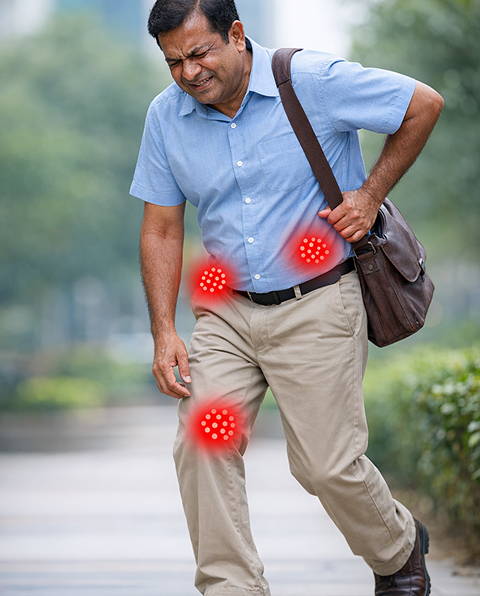
Inability to fully straighten or fully bend the knee — not explained by X-ray findings. This limitation of range of motion often indicates a structural problem (torn cartilage, scar tissue, loose body) that can only be identified and treated arthroscopically.
Athletes, active professionals and patients of all ages choose Trayam Hospital for arthroscopic knee surgery due to the experience of our knee arthroscopy surgeons and consistent outcomes.
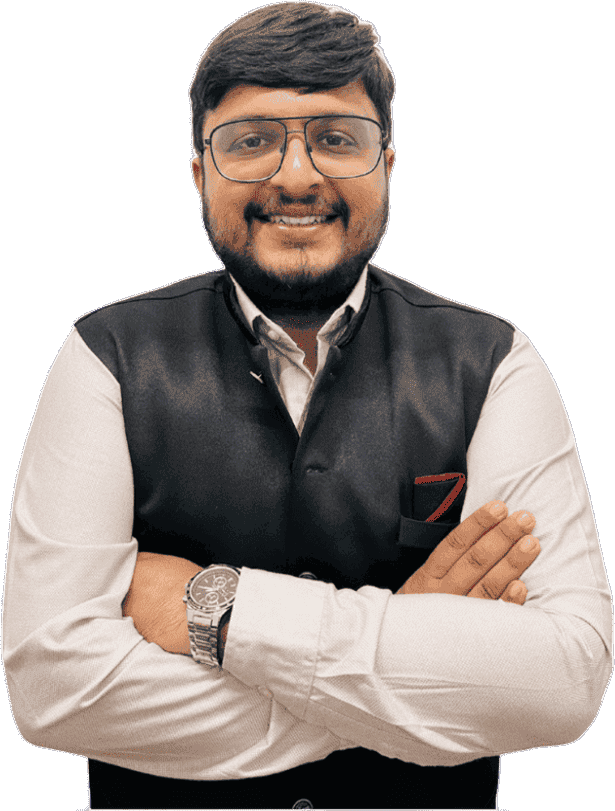
Senior Consultant — Arthroscopic Surgery & Sports Medicine, Trayam Hospital
Dr. Parth Patel is an experienced arthroscopic surgeon with specific fellowship training in knee arthroscopy and sports medicine. With over 3,000 arthroscopic procedures performed — including ACL reconstructions, meniscus repairs and complex cartilage restoration — Dr. Parth Patel brings both surgical precision and a deep understanding of the athletic patient's goal: not just pain relief, but full return to the activities they love.
Arthroscopic knee surgery is both a diagnostic and therapeutic approach, here are the most common conditions treated at Trayam Hospital.
Day-care procedure complete. Discharged same day or next morning. Ice, elevation and prescribed anti-inflammatory medication. Crutches for comfort if needed (not always required).
Day-care procedure complete. Discharged same day or next morning. Ice, elevation and prescribed anti-inflammatory medication. Crutches for comfort if needed (not always required).
Portal wounds healing. Mild swelling and aching — expected and managed with ice and elevation. Gentle range-of-motion exercises begin from day 2. Walking with minimal support for most patients.
Sutures or steri-strips reviewed and removed. Swelling significantly reduced. Physiotherapy progressing — quad strengthening, full range of motion exercises. Return to desk work.
Full range of motion restored for most patients. Walking normally, cycling possible. Light jogging for meniscectomy patients. ACL reconstruction patients continuing structured rehabilitation programme.
Return to recreational sport for meniscus and cartilage procedures. ACL patients: running drills, agility work, sport-specific training begins.
Return to competitive sport and full athletic activity — timeline varies by procedure. ACL reconstruction: full return to contact sport at 9–12 months following completed rehabilitation and functional testing.
A significant number of knee pain patients in India are managed for months or years with physiotherapy, injections and anti-inflammatory medications for a structural problem — a meniscus tear, ACL laxity or loose body — that will never resolve without arthroscopic treatment. Conversely, some patients are recommended arthroscopy for degenerative knee pain that would be better managed with physiotherapy or joint preservation. Getting the decision right requires a specialist with experience in both the surgical and non-surgical options.
A fully itemised estimate covering procedure, anaesthesia, day-care stay, physiotherapy and follow-up — in writing before you book. No surprise bills after surgery.
Our surgeons recommend arthroscopy only when structural pathology is confirmed and unlikely to resolve with non-surgical treatment. We do not recommend surgery to patients who will do equally well without it.
We help you claim exactly what you are entitled to. All arthroscopy procedures are covered under standard health insurance policies — we manage pre-authorisation and cashless hospitalisation.
Speak to our team today and consult a knee arthroscopy surgeon to get a clear assessment of whether this procedure is the right next step for you.
Confidential · No Obligation · Reply in 2 Hours
Knee arthroscopy is a keyhole procedure in which a thin camera (arthroscope) is inserted into the knee through a 5mm incision. The surgeon views the joint on a screen and treats the problem through one or two additional small portals. Performed under general or spinal anaesthesia — usually as a day-care procedure.
Procedure time depends on the treatment performed: diagnostic arthroscopy or meniscectomy — 45–60 minutes. ACL reconstruction — 60–90 minutes. Cartilage procedures — 60–90 minutes. Total theatre time including preparation is approximately 30 minutes longer.
Yes — in most cases. Meniscectomy, loose body removal, chondroplasty and diagnostic arthroscopy are almost always day-care. ACL reconstruction may require an overnight stay. Your surgeon will advise based on the specific procedure planned.
Most patients walk — with or without crutches — on the day of surgery. Crutches are often used for 2–7 days for comfort rather than necessity, depending on the procedure. Full unaided walking typically resumes within 1–2 weeks.
It depends on the procedure: meniscectomy — 4–6 weeks; cartilage procedures — 3–6 months; ACL reconstruction — 9–12 months with a completed structured rehabilitation programme.
Arthroscopy is a very safe procedure. Risks include: infection (under 1% in a sterile OT environment), stiffness, thrombosis (rare, prevented by early mobilisation and blood thinners if required), and the rare need for conversion to open surgery. Overall complication rates for diagnostic and meniscus arthroscopy are well under 1%.
Meniscectomy removes the torn portion of the meniscus — faster recovery (4–6 weeks), appropriate for complex or degenerative tears. Meniscus repair sutures the tear — longer recovery (3–4 months) but preserves the meniscus, reducing the long-term risk of arthritis. Repair is preferred for acute tears in younger patients in the vascular (outer) zone of the meniscus.
Yes — knee arthroscopy is covered by most major health insurance policies and PMJAY (Ayushman Bharat). Our insurance desk assists with pre-authorisation and cashless hospitalisation for all arthroscopy procedures.
Talk to our knee specialist today — find out if arthroscopy is the right next step. Free consultation, no obligation.