Spine injury with weakness, numbness or loss of bladder/bowel control? This is a spinal cord emergency — call immediately. Every minute matters.
From osteoporotic vertebral compression fractures treated with kyphoplasty to unstable burst fractures requiring urgent decompression and fixation, our spine fracture surgeon in Ahmedabad manages every fracture type with the right technique, at the right time.
Tell us your symptoms — we'll respond within 2 hours
100% confidential & no obligation
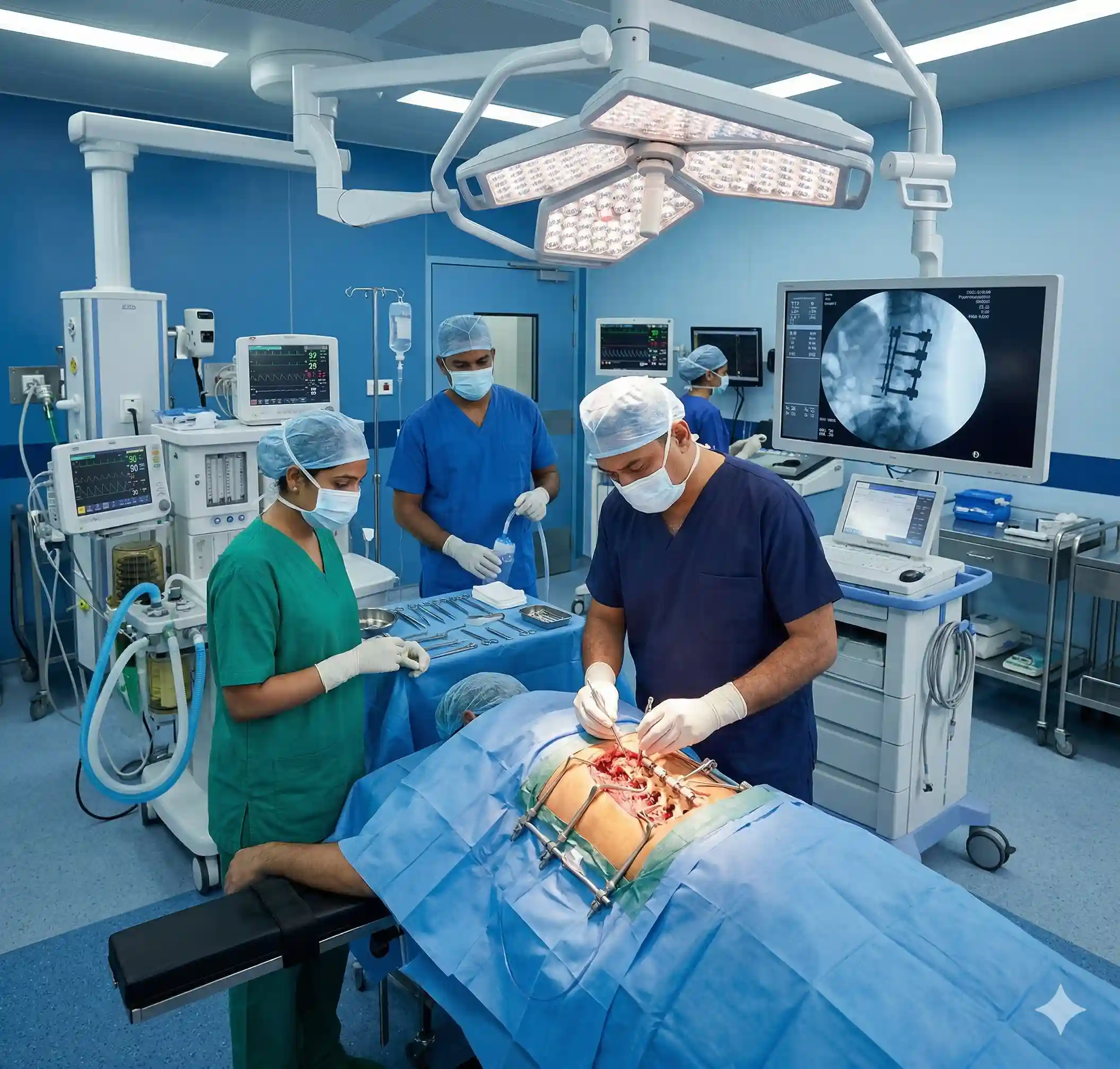
A spine fracture is a break in one or more vertebrae — the bones that make up the spinal column, requiring timely spine fracture treatment. Causes range from osteoporosis (where weakened bones fracture under normal loads) to high-energy trauma from road accidents, falls from height and sports injuries. The treatment depends entirely on the fracture type, stability, degree of spinal canal compromise, and the presence of neurological deficits.
At Trayam Hospital, every spine fracture is assessed with a CT scan for bony anatomy and an MRI for cord, nerve root and ligament status before any spine fracture treatment decision is made. Stable fractures without neurological involvement are treated with kyphoplasty (minimally invasive, needle-only access) or a rigid brace. Unstable fractures and those with neurological compromise are treated with urgent surgical decompression and fixation — using percutaneous or open pedicle screw-rod systems, with intraoperative fluoroscopy and navigation for precision.
When a spine fracture presents with neurological symptoms — weakness, numbness, bowel or bladder involvement — early evaluation by a spine fracture surgeon is critical. This is our emergency response sequence.
Cervical collar, log-roll positioning — spinal precautions maintained from scene to imaging. IV access, pain management, neurological baseline documented immediately.
0–15 minCT spine for bony anatomy and AO fracture classification. MRI for cord compression, oedema, disc and ligament status. Both completed before surgical decision is made
15–60 minSpine surgeon reviews imaging and performs full neurological examination. Fracture classified — AO type, stability, canal compromise, ASIA neurological grade. Surgical plan confirmed or conservative pathway selected.
Within 1 hrNeurological deficit present → emergency decompression and fixation performed same day. Stable fracture without deficit → kyphoplasty (day care) or brace applied with planned elective surgery.
Same day if urgentPhysiotherapy begins Day 1 post-surgery. Spinal brace fitted if required. Bone health assessment for osteoporotic fractures. Discharge with structured rehabilitation plan and follow-up CT at 3 months.
Day 1 post-opNew or worsening limb weakness, numbness below the fracture level, or any loss of bladder or bowel control after a spine injury requires immediate surgical decompression. Cord compression that is relieved within 8 hours has significantly better neurological recovery outcomes than delayed surgery. If these symptoms develop — call us immediately: +919737323158
The AO classification categorises spine fractures by the mechanism of injury and degree of instability — from stable compression fractures that heal with kyphoplasty or a brace, to catastrophic fracture-dislocations requiring emergency surgery. Your fracture type determines your treatment.
Not sure which fracture type you have? A CT scan is required for definitive classification. If you have had a recent spine injury — or back pain after a fall — our spine team will review your imaging and give you a clear, honest assessment of what treatment you need.
Red-flagged symptoms are neurological emergencies requiring immediate care. Other symptoms warrant urgent spine specialist assessment — early treatment prevents permanent nerve damage.
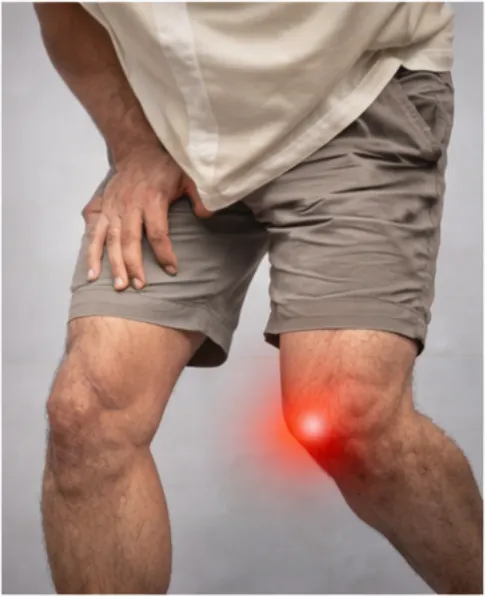
New weakness in the legs or arms after a spine injury — inability to move a limb, foot drop, grip loss. Indicates spinal cord or nerve root compression. Emergency decompression required within hours.
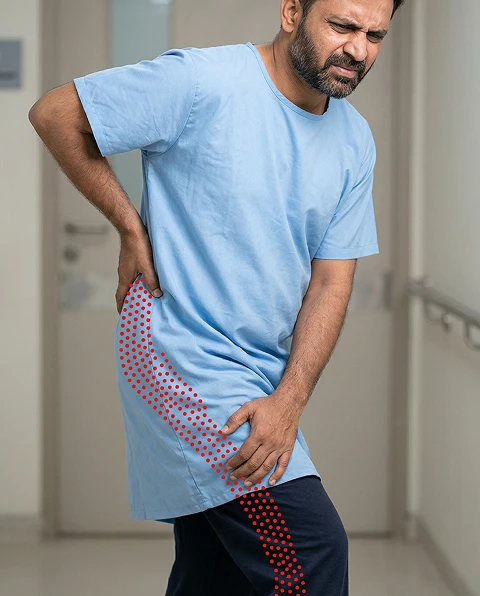
Loss of bladder or bowel control, inability to urinate, or saddle numbness (groin area) — cauda equina syndrome from severe spinal canal compression. This requires emergency surgery. Go to emergency immediately.
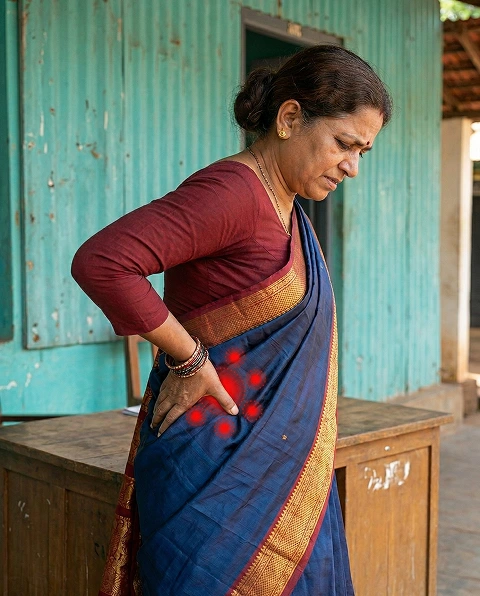
Sudden, severe central back or neck pain immediately after a fall, road accident or impact — particularly in the elderly or osteoporotic. This must be treated as a spine fracture until imaging confirms otherwise. Do not mobilise without assessment.
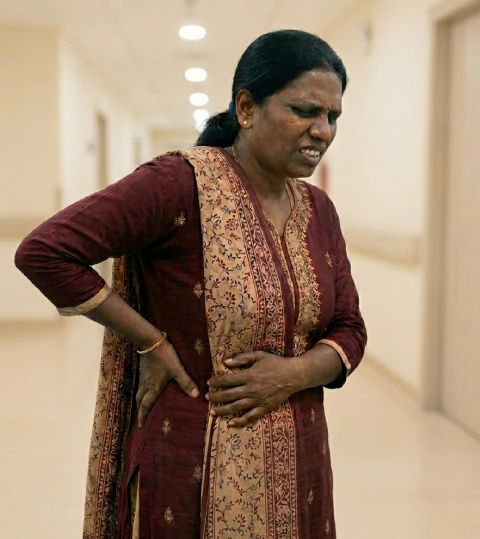
Numbness, tingling or sensory loss in the legs, torso or arms at or below the fracture level — indicating cord or nerve root compression. Requires urgent imaging and spine assessment. Do not delay.
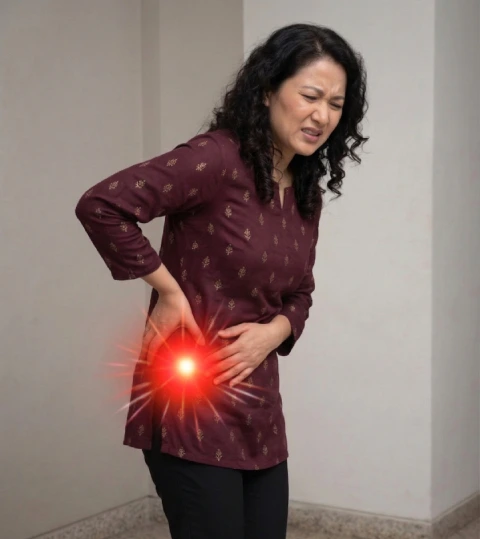
New-onset central back pain in an older patient — particularly after minor activity — in the absence of trauma. Osteoporotic vertebral compression fractures are common and frequently under-investigated with a plain X-ray rather than CT or MRI. Kyphoplasty provides immediate relief.

Progressive loss of height, forward-stooped posture and thoracic kyphosis — indicating multiple silent vertebral compression fractures. Many osteoporotic vertebral fractures occur without dramatic pain. Height loss of over 4cm warrants spine X-ray and bone density assessment.

Central neck pain after a road traffic accident, fall from height or diving injury — must be treated as a cervical spine fracture until imaging confirms otherwise. Do not remove the cervical collar until CT clearance is obtained by a spine-trained physician.
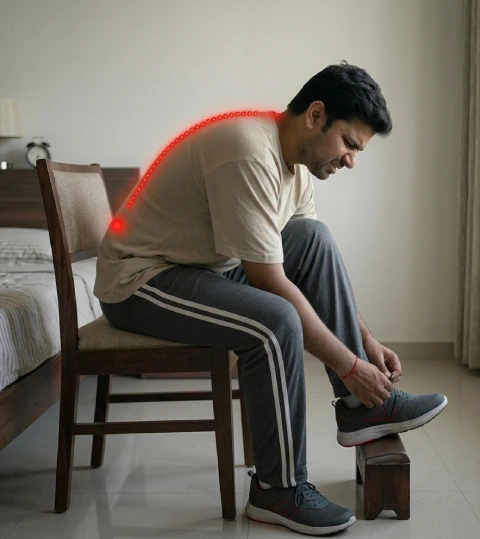
Persistent thoracic or lumbar back pain in an older patient that does not respond to analgesia, physiotherapy or bed rest — particularly if it worsens on sitting or standing. Silent osteoporotic vertebral fracture is a common missed diagnosis in this presentation.
From needle-only kyphoplasty to emergency open decompression, spine fracture treatment is chosen based on your AO fracture type, neurological status and bone quality.
Spine fracture outcomes depend on rapid diagnosis, correct classification and timely care by a spine fracture surgeon in Ahmedabad

Senior Consultant Spine Surgeon — Spine Fracture & Minimally Invasive Spine Surgery
Dr. Parth Patel is a fellowship-trained spine surgeon with AO Spine advanced training in spine trauma — managing the full spectrum of vertebral fractures from osteoporotic compression fractures treated with kyphoplasty to complex AO type C fracture-dislocations requiring emergency decompression and reconstruction. The approach is systematic: classify the fracture correctly with CT and MRI, select the least invasive technique that achieves stable fixation, perform emergency surgery when neurological deficit demands it, and ensure bone health is assessed and treated after every osteoporotic fracture.
Two preventable management failures occur repeatedly in spine fracture care in India. The first is managing osteoporotic vertebral fractures with bed rest, analgesia and a soft brace — without offering kyphoplasty — in patients who suffer prolonged pain, functional decline and the complications of immobility. The second is delayed surgery for unstable fractures with neurological deficit — where 24–48 hours of waiting can mean the difference between full neurological recovery and permanent paralysis.
No spine fracture treatment decision at Trayam is made on a plain X-ray alone. CT classifies the fracture. MRI assesses the cord, nerves and ligaments. Both are required before a treatment plan is confirmed.
Financial and administrative processes never delay surgery for a patient with neurological deterioration after a spine fracture. Our spine team operates around the clock — same-day decompression when the clinical picture demands it.
DEXA scan, bone health assessment and anti-osteoporosis treatment are initiated at the time of kyphoplasty — every time. Treating the fracture without addressing the osteoporosis is only half the job.
Get an honest assessment of your spine fracture — bring your X-rays, CT or MRI if you have them. We'll tell you the fracture type, the right treatment and whether surgery is needed. If it is — we'll tell you how urgent it is.
Recovery timelines vary by fracture type and procedure — here is what to expect after each approach, and how to maximise your outcome.
Unstable fractures (AO type A3/A4 burst, B and C types), fractures with neurological deficit (weakness, numbness, bladder/bowel loss) and fractures with significant spinal canal compromise require surgical fixation. Stable AO A1–A2 compression fractures — particularly osteoporotic — are treated with kyphoplasty (minimally invasive) or a brace. CT and MRI are required for definitive classification and treatment decision.
Kyphoplasty is a minimally invasive procedure for osteoporotic or selected traumatic vertebral compression fractures. A balloon tamp is inserted through a needle into the fractured vertebral body under fluoroscopy, inflated to restore height, then removed — the cavity is filled with bone cement. Immediate pain relief. No incision. Most patients walk the same day and are discharged the next morning.
A burst fracture (AO A3/A4) occurs when the vertebral body shatters under axial load — bone fragments can be driven into the spinal canal, compressing the cord or nerve roots. When canal compromise exceeds 30–50% or neurological deficit is present, surgical decompression removes the bone fragments and pedicle screw-rod fixation restores alignment. Without surgery, progressive neurological deterioration can occur.
The AO classification categorises spine fractures by mechanism and instability: A (compression fractures), B (tension band injuries) and C (translational fracture-dislocations). Each type has a distinct treatment algorithm. Classification requires CT — not a plain X-ray. Correct classification prevents both under-treatment (missing an unstable fracture) and over-treatment (operating a fracture that can be managed conservatively).
Emergency. Cord decompression within 8–24 hours of onset of neurological symptoms is associated with significantly better neurological recovery than delayed surgery. At Trayam, patients presenting with neurological deficit after a spine fracture are assessed and operated the same day — administrative processes do not delay surgical decision-making for a neurological emergency.
Kyphoplasty: same-day walking, next-morning discharge, brace 6–8 weeks, desk work at 2–3 weeks. Percutaneous fixation: walk Day 2–3, discharged Day 3–5, desk work at 4–6 weeks. Open decompression and fusion: walk Day 2–3, discharged Day 5–7, desk work at 6–10 weeks. Physiotherapy begins within 24–48 hours for all procedures.
Osteoporotic VCFs occur when bone weakened by osteoporosis collapses under normal loads. Each VCF increases the risk of further fractures. Prevention: DEXA bone density scan after every VCF, bisphosphonate or denosumab therapy for 3–5 years, daily calcium (1000–1200mg) and Vitamin D3 (800–1000 IU), fall prevention assessment. Kyphoplasty treats the fracture — anti-osteoporosis treatment prevents the next one.
Yes — kyphoplasty, percutaneous fixation and open decompression and fusion are all covered by major Indian health insurance policies and PMJAY (Ayushman Bharat). Emergency pre-authorisation is processed rapidly for urgent trauma cases. Trayam Hospital is empanelled with all major insurers. Our insurance desk manages the complete process from admission to discharge.
24/7 emergency availability — same-day consultations for urgent cases. Honest, evidence-based advice — we'll tell you the fracture type and exactly what treatment you need.