Kidney Transplant Programme — Living & Deceased Donor

Kidney Transplant — Your Best Long-Term Option for End-Stage Kidney Disease

A successful kidney transplant gives better survival, better quality of life and better long-term outcomes than lifelong dialysis. Living donor transplantation — especially pre-emptive, before dialysis begins — gives 5-year graft survival of 85–90%. Our transplant programme at a kidney transplant hospital in Ahmedabad covers the complete journey: evaluation, surgery, immunosuppression and lifelong graft care.

85–90%
5-Yr Living Donor Graft Survival
Pre
Emptive Option Available
Lifelong
Graft Surveillance
THOTA
Compliant Programme
Living & Deceased Donor
PMJAY / Insurance Accepted
Multidisciplinary Transplant Team
Early Evaluation Welcome

Get Expert Advice Now

Tell us your symptoms — we’ll guide you immediately
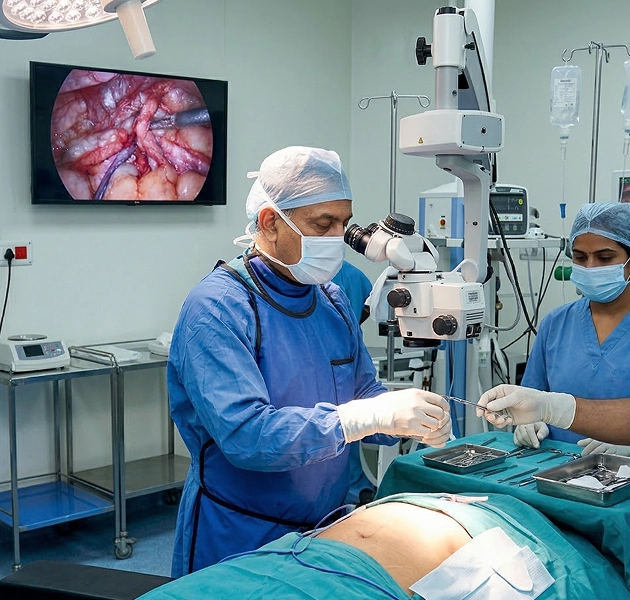
Have a willing living donor? Start the evaluation early — pre-emptive transplant before dialysis gives the best outcomes

    Kidney Transplant at Trayam Hospital
    Understanding Kidney Transplant

    Why Transplant Is Better Than Lifelong Dialysis

    A successful kidney transplant at a specialised kidney transplant hospital is the closest thing to restoring normal kidney function. A transplanted kidney works continuously — 24 hours a day, 7 days a week — filtering the blood, regulating fluid balance and producing hormones that dialysis cannot replicate. Transplant recipients have a 50–70% lower mortality risk compared to matched patients remaining on dialysis, significantly better quality of life and freedom from the 3-times-weekly dialysis schedule.

    Living donor kidney transplantation — using a kidney from a willing, healthy family member or spouse — offers better outcomes than deceased donor transplant: scheduled surgery at the optimal time, shorter cold ischaemia, better tissue matching and the option of pre-emptive transplant before dialysis is ever needed. The donor evaluation process is thorough and guided by an experienced kidney transplant surgeon to confirm that donation is safe, voluntary and in the donor’s long-term best interest. Our programme is fully compliant with the Transplantation of Human Organs and Tissues Act (THOTA).

    • Living donor transplant — 85–90% 5-year graft survival; pre-emptive option; scheduled surgery at optimal time
    • Deceased donor transplant — waitlist registration; NOTTO network; suitable for patients without a living donor
    • Pre-transplant workup — tissue typing, crossmatch, cardiac assessment, infection screening, transplant committee review
    • Immunosuppression — tacrolimus + mycophenolate + prednisolone — lifelong, monitored with drug levels and renal function
    • Long-term graft care — annual surveillance, blood pressure and diabetes optimisation, rejection biopsy protocol
    Transplant Pathways

    Kidney Transplant — Which Route Is Right for You?

    stone needs surgery. For patients seeking kidney stone treatment in Ahmedabad, our urologist recommends the least invasive option that will work for your specific stone size, type and location

    Best
    outcomes

    Living Donor Transplant

    A kidney from a healthy living donor — usually a family member or spouse. One of two kidneys is donated; the donor's remaining kidney compensates to 70–75% of original combined function. Scheduled surgery, shorter cold ischaemia, better tissue matching, option of pre-emptive transplant. 5-year graft survival 85–90%. Donor is evaluated thoroughly to confirm safety — laparoscopic donor nephrectomy minimises donor morbidity.

    Preferred Option
    Pre-emptive
    best timing

    Pre-Emptive Transplant (Before Dialysis)

    Transplant performed when GFR falls to 10–15 ml/min — before dialysis is needed. Only possible with a living donor. Associated with better graft survival, lower rejection rates and better rehabilitation than post-dialysis transplant. Requires early identification of a suitable donor and timely workup. If you have CKD Stage 4–5 and a willing donor — start the evaluation now, not when dialysis begins.

    Best If Living Donor Available
    Waitlist
    registration

    Deceased Donor Transplant

    Kidney from a brain-dead donor through the NOTTO (National Organ and Tissue Transplant Organisation) network. Waitlist time varies by blood group, sensitisation level and regional availability. Deceased donor kidneys have slightly higher delayed graft function rates and somewhat lower long-term graft survival than living donor kidneys — but remain far superior to dialysis for most patients. Registration and regular review while on dialysis is essential.

    For Patients Without Living Donor
    Protocol
    driven care

    Post-Transplant Long-Term Care

    The transplant is surgery day — graft longevity is determined by what happens over the following decades. Blood pressure under 130/80, HbA1c under 7%, strict immunosuppression compliance, avoidance of nephrotoxic drugs, annual creatinine and proteinuria monitoring, skin cancer surveillance and prompt biopsy of any creatinine rise. Every Trayam transplant patient has a structured lifelong surveillance programme.

    Lifelong Commitment
    Signs That Warrant Transplant Evaluation

    When to Consider Kidney Transplant Evaluation

    Kidney transplant evaluation should begin early — ideally when CKD reaches Stage 4 (GFR 15–30), not only when the patient is already established on dialysis. Early referral opens the pre-emptive transplant window.
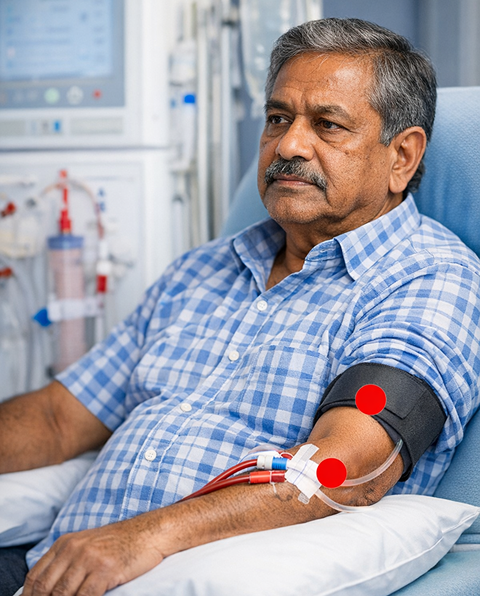
    GFR Below 20 — Start Workup Now

    GFR Below 20 — Start Workup Now

    GFR below 20 ml/min is the trigger to begin transplant workup — not below 10 when dialysis is urgent. Starting workup early allows time for a thorough recipient evaluation, donor identification and pre-emptive transplant before dialysis begins. Do not wait until you are on dialysis to ask about transplant.
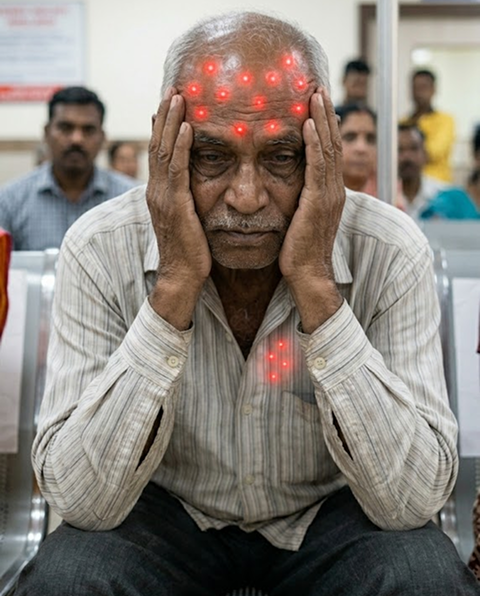
    Already on Dialysis — Waitlist Registration

    Already on Dialysis — Waitlist Registration

    Every patient on dialysis who is medically fit for transplant should be on the deceased donor waitlist — regardless of whether a living donor is available. Waitlist time accumulates from registration date. Register early, review regularly, keep the transplant team informed of any change in medical status.

    Willing Living Donor Identified

    Willing Living Donor Identified

    If a family member or spouse is willing to be considered as a living donor — contact the transplant team immediately. Donor evaluation takes 6–12 weeks. The earlier the evaluation begins, the more likely pre-emptive transplant can be achieved before dialysis is needed.
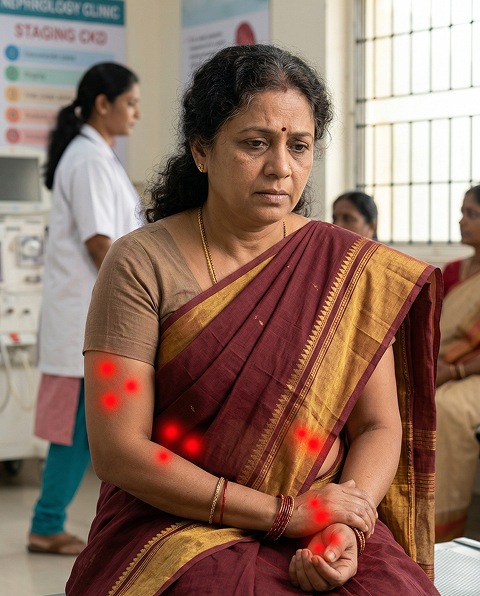
    Deteriorating Quality of Life on Dialysis

    Deteriorating Quality of Life on Dialysis

    Fatigue, fluid restriction, dietary limitations, 3-times-weekly dialysis sessions and the psychological burden of ESRD — if quality of life on dialysis is significantly impaired, transplant evaluation should be a priority. Transplant recipients report dramatically better quality of life compared to dialysis within months of a successful transplant.
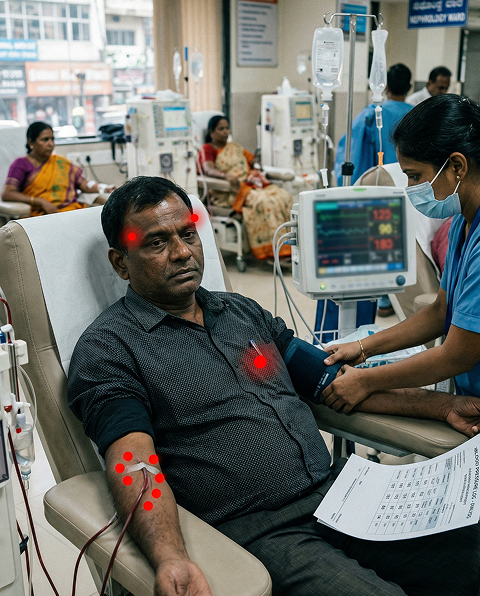
    Poorly Controlled Blood Pressure / Diabetes on Dialysis

    Poorly Controlled Blood Pressure / Diabetes on Dialysis

    Uncontrolled hypertension and diabetes on dialysis accelerate cardiovascular risk and reduce transplant candidacy over time. Optimising these before transplant workup gives better surgical outcomes and better graft longevity. Do not delay evaluation — but begin optimisation in parallel.
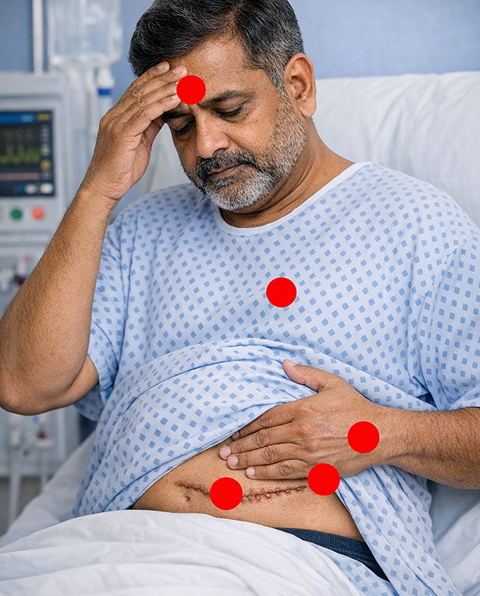
    CKD Stage 4 — Progressive Decline

    CKD Stage 4 — Progressive Decline

    CKD Stage 4 (GFR 15–30) is the right time to have the transplant conversation — not Stage 5 or dialysis. A transplant workup completed at Stage 4 means all paperwork, crossmatch and donor evaluation are done in advance, enabling rapid progression to transplant when GFR reaches the threshold.
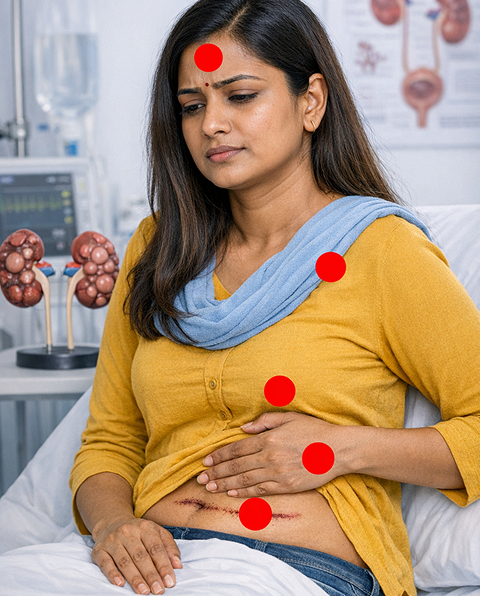
    Recurrent Transplant — Previous Graft Failure

    Recurrent Transplant — Previous Graft Failure

    Patients who have lost a previous transplant can be evaluated for re-transplantation. Higher sensitisation (panel reactive antibody — PRA) from the previous graft makes crossmatch more challenging but not impossible. Re-transplant outcomes are slightly lower than first transplant but remain superior to remaining on dialysis.
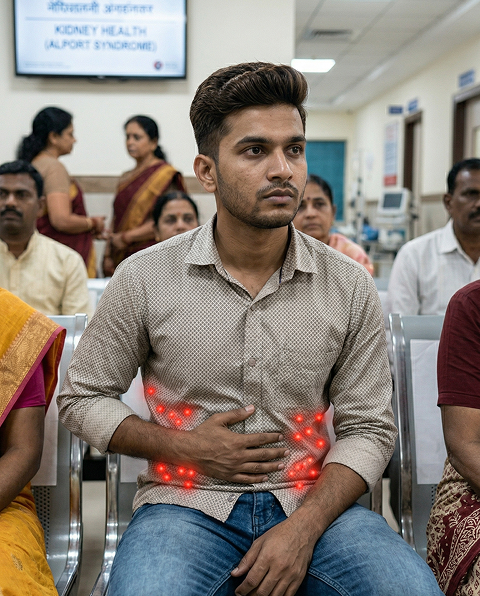
    Young Patient with Hereditary Kidney Disease

    Young Patient with Hereditary Kidney Disease

    Patients with polycystic kidney disease, Alport syndrome, primary hyperoxaluria or other hereditary nephropathies should discuss transplant planning early — including implications for family members as potential donors and genetic counselling for inheritance risk to offspring.

    The Transplant Journey

    Kidney Transplant — Step by Step

    A kidney transplant guided by an experienced kidney transplant surgeon is not a single event — it is a journey from evaluation through surgery to lifelong graft care. Understanding each step reduces anxiety and helps families prepare fully.

    Pre-Transplant Recipient Workup

    Cardiac, vascular, infection, tissue typing — full evaluation

    Full recipient evaluation before transplant listing: tissue typing (HLA) and blood group, panel reactive antibody (PRA / sensitisation), cardiac assessment (ECG, echo, stress test for high-risk), vascular Doppler of iliac vessels, infection screening (HIV, hepatitis B/C, CMV, TB, urine culture), dental review, psychological assessment. Transplant committee review of all cases before listing. Identifies and treats any condition that would increase surgical risk or cause early graft loss.

    Comprehensive Transplant Committee Reviewed
    Best for: All transplant candidates — recipient workup before listing

    Living Donor Evaluation

    GFR, vascular anatomy, psychological assessment, ethics approval

    Donor evaluation confirms safety of donation: GFR measurement (nuclear scan or CKD-EPI), CT renal angiogram (vessel anatomy, number of arteries), urine protein and microalbumin, metabolic and genetic risk assessment, cardiovascular evaluation, psychological interview (confirming voluntary uncoerced decision), ethics committee review. THOTA compliance documentation. Laparoscopic donor nephrectomy — 3–4 small incisions, 2–3 days hospital stay, return to work in 3–4 weeks.

    Donor Safety First Laparoscopic Nephrectomy
    Best for: All potential living donors — comprehensive safety evaluation before any commitment

    Transplant Surgery

    Extraperitoneal iliac fossa placement — 3–4 hours

    The donor kidney is placed extraperitoneally in the recipient's right or left iliac fossa. Renal artery anastomosed to external iliac artery, renal vein to external iliac vein, ureter anastomosed to bladder with a JJ stent. Surgery takes 3–4 hours under general anaesthesia. The kidney usually begins producing urine on the operating table — a positive early sign. Hospitalisation 7–10 days. Intensive monitoring of creatinine, urine output, tacrolimus levels from day 1.

    3–4 Hours 7–10 Day Stay
    Best for: All recipients after completed workup and crossmatch

    Immunosuppression Management

    Tacrolimus + mycophenolate + prednisolone — lifelong

    Induction immunosuppression (basiliximab or anti-thymocyte globulin) given at surgery. Maintenance: tacrolimus (target trough levels 8–12 in first 3 months, 5–8 thereafter), mycophenolate mofetil and prednisolone (tapered over 3–6 months). Doses adjusted based on drug levels, renal function and side effects. Prophylactic valganciclovir (CMV), co-trimoxazole (PCP) and antifungal for first 3–6 months. Missing doses risks acute rejection — patient education is a core part of the programme.

    Lifelong Drug Level Monitored
    Best for: All transplant recipients — lifelong immunosuppression with regular monitoring

    Rejection Surveillance & Biopsy

    Any creatinine rise prompts urgent biopsy

    Creatinine is checked daily in hospital, weekly for 3 months, then monthly to annually long-term. Any unexplained creatinine rise above baseline by 20% prompts renal biopsy. Acute cellular rejection — treated with IV methylprednisolone pulses — 90% reversal if caught early. Antibody-mediated rejection — plasmapheresis, IVIG, rituximab. Chronic allograft nephropathy — slower decline, managed by optimising immunosuppression and minimising nephrotoxic exposures. Do not delay biopsy — early diagnosis saves the graft.

    Biopsy Protocol 90% Acute Reversal
    Best for: All post-transplant patients — protocol biopsy at 3–6 months, urgent biopsy for creatinine rise

    Long-Term Graft Surveillance

    Annual review — BP, diabetes, cancer screen, function

    Long-term graft survival depends on rigorous surveillance: blood pressure target under 130/80, HbA1c under 7% (post-transplant diabetes is common on tacrolimus), annual creatinine and proteinuria, skin cancer surveillance (immunosuppression increases skin cancer risk 50-fold — annual dermatology review), bone density monitoring, statin therapy, cervical and breast screening for female recipients. Annual transplant clinic review with creatinine, urine PCR, drug levels and general health assessment.

    Lifelong Surveillance Annual Clinic
    Best for: All transplant recipients — structured long-term surveillance programme from year 1
    Why Trayam Transplant

    Leading Kidney Transplant Hospital in Ahmedabad

    A kidney transplant hospital in Ahmedabad is only as strong as its pre-transplant preparation, surgical expertise, immunosuppression management and long-term surveillance. All four must be strong.
    THOTA
    Compliant
    Multi
    disciplinary Team
    Pre
    Emptive Available
    Lifelong
    Graft Support

    Comprehensive Pre-Transplant Workup — No Shortcuts

    Every recipient and donor undergoes a thorough, protocol-driven evaluation before any surgical decision. Cardiac risk is assessed, infection screened, tissue typing and crossmatch completed and transplant committee review conducted. The workup takes time — because getting it right prevents complications after surgery.

    Donor Safety Is Non-Negotiable

    Living donor evaluation at Trayam is thorough and independent. The transplant team's primary obligation to the donor is their long-term safety — not the recipient's need for a kidney. Every donor evaluation includes psychological assessment confirming voluntary, uncoerced decision. THOTA legal process fully managed.

    Pre-Emptive Transplant — Our First Goal

    When a living donor is identified and the recipient's GFR is declining, we aim for pre-emptive transplant before dialysis begins. This requires early referral and timely workup. We proactively communicate with referring nephrologists to initiate the transplant pathway at GFR 20 — not 10.

    Immunosuppression Expertise — Drug Levels Monitored

    Optimal immunosuppression requires experienced pharmacological management — enough to prevent rejection, not so much as to cause opportunistic infection or drug toxicity. Trough tacrolimus levels are monitored at every visit and doses adjusted by the transplant team based on creatinine trend, drug levels and the patient's overall risk profile.

    Rejection Protocol — Biopsy Without Delay

    Any unexplained creatinine rise is investigated with renal biopsy without delay. Acute rejection treated within the first 24 hours of diagnosis has a 90% reversal rate. Delayed diagnosis means lower reversal rates and higher risk of graft loss. Our protocol is clear: rise in creatinine → biopsy → treat within 24 hours.

    PMJAY / Insurance — Transplant Covered

    Kidney transplant surgery and hospitalisation are covered under PMJAY (Ayushman Bharat) and all major Indian health insurance policies. Post-transplant immunosuppression can be prescribed under standard drug coverage. Our transplant coordinator manages the complete financial and insurance process from evaluation through discharge.

    Expert Care

    Meet Your Transplant Surgery Team

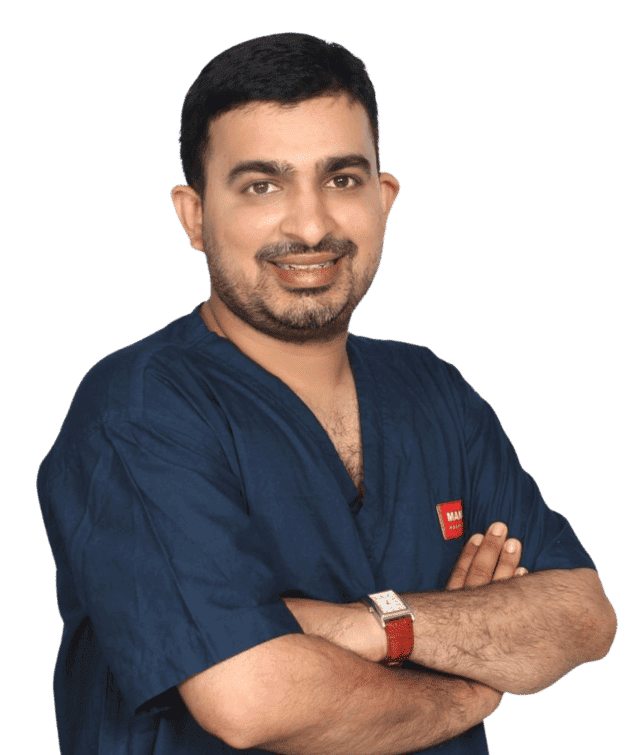
    Dr. Renish Patel — Trayam Hospital
    MCh Urology Transplant Surgery Immunosuppression Living Donor THOTA Compliant

    Dr. Renish Patel

    Senior Consultant Transplant Urologist & Kidney Transplant Surgeon — Trayam Hospital

    Dr. Renish Patel leads the kidney transplant programme at Trayam Hospital — overseeing recipient evaluation, donor workup, transplant surgery and post-transplant immunosuppression management. The programme philosophy is patient-centred: pre-emptive transplant wherever possible, thorough preparation before surgery, prompt biopsy protocol for any graft concern and structured lifelong surveillance to maximise graft longevity.

    • MCh Urology
    • Kidney Transplant Surgery Fellowship
    • Living Donor Laparoscopic Nephrectomy Trained
    • Published outcomes in pre-emptive living donor transplantation
    • Speaker — Indian Society of Organ Transplantation (ISOT) Conferences
    Common Gaps in Transplant Care

    On Dialysis for 3 Years — Has Transplant Ever Been Properly Discussed?

    Too many patients with end-stage kidney disease spend years on dialysis without ever being formally evaluated for transplant. The conversation is not initiated, the workup is not started, and the window for pre-emptive transplant is missed entirely. Transplant is not an option of last resort — it is the best treatment available for eligible patients with ESRD, and the evaluation should begin at CKD Stage 4.

    • CKD Stage 4–5 patient never referred for transplant evaluation — transplant workup should begin when GFR falls below 20 ml/min — not when the patient is on dialysis and declining. A patient who reaches dialysis without a completed transplant workup has missed the pre-emptive transplant window. The nephrologist managing CKD should be initiating transplant referral at Stage 4.
    • Willing living donor never evaluated because "the recipient isn't ready yet" — donor evaluation can and should begin independently of recipient timing. A donor can be fully evaluated and approved months before the recipient's GFR reaches transplant threshold. Waiting until both are simultaneously ready delays transplant unnecessarily.
    • Post-transplant creatinine rise managed with medication adjustment without biopsy — a rising creatinine in a transplant recipient must be biopsied. Empirically adjusting immunosuppression without a tissue diagnosis risks under-treating acute rejection (leading to graft loss) or over-treating (leading to infection). Biopsy is not optional when creatinine rises — it is mandatory.
    • Immunosuppression reduced or stopped by the patient without medical advice — the most common preventable cause of acute rejection is patient non-compliance with immunosuppression. Missing doses, reducing doses independently or stopping immunosuppression because "the kidney feels fine" causes rejection that may be irreversible. Immunosuppression compliance education is a core part of every transplant programme.
    The Trayam Transplant Promise Transplant evaluation initiated at CKD Stage 4. Pre-emptive transplant as the goal when a living donor is available. Biopsy for every unexplained creatinine rise. Immunosuppression compliance education from day one — and for life.

    Evaluation Starts at Stage 4 — Not Stage 5

    We initiate transplant workup when GFR falls below 20 ml/min. Pre-emptive transplant before dialysis is the best outcome for eligible patients with a living donor — and it requires early preparation.

    Donor Evaluated Independently — No Waiting

    Living donor evaluation begins as soon as a willing donor presents — regardless of recipient GFR at the time. The donor's evaluation timeline does not need to match the recipient's. Starting early maximises the chance of pre-emptive transplant.

    Biopsy Protocol — No Guessing with Your Graft

    Any unexplained creatinine rise above baseline by 20% is investigated with renal biopsy within 24–48 hours. Acute rejection treated early is reversible in 90% of cases. Delayed diagnosis risks irreversible graft loss.

    On dialysis? CKD Stage 4? Have a willing donor?
    The earlier you come to us, the more options are open. Bring your recent blood results, dialysis summary or nephrologist letter — our transplant team will give you a complete, honest assessment of your options.

    Confidential  ·  No Obligation  ·  Reply in 2 Hours

    Protecting Your Transplanted Kidney

    How to Maximise Your Kidney Transplant Lifespan

    The transplant operation gives you a new kidney — how long it lasts depends almost entirely on what you do in the years that follow. These are the evidence-based steps that protect your graft.

    Never Miss Your Immunosuppression

    Missed doses of tacrolimus or mycophenolate are the leading preventable cause of acute rejection. Take medications at the same time every day, set phone alarms, use a pill organiser. Never reduce or stop immunosuppression without speaking to your transplant team — even if you feel completely well. Missing one dose can trigger a rejection episode within days.

    ⏰ Same time every day — no exceptions

    Blood Pressure Under 130/80 — Every Day

    Hypertension is the single most damaging controllable risk factor for long-term graft function. Target blood pressure is under 130/80 mmHg. Home blood pressure monitoring daily, antihypertensive medications taken consistently, low salt diet and adequate physical activity. Every mmHg reduction in systolic pressure extends graft life.

    💊 Home BP monitoring daily

    Drink 2–3 Litres of Water Daily

    Adequate hydration is essential after transplant — the new kidney needs good flow to function optimally. Aim for 2–3 litres of water per day. Avoid dehydration during illness, hot weather or exercise. Dehydration causes acute kidney injury in the transplanted kidney far more readily than in a native kidney. At the first sign of gastroenteritis with vomiting or diarrhoea — contact your transplant team.

    💧 2–3L water daily — especially in summer

    Sun Protection — Skin Cancer Risk Is Real

    Immunosuppression increases the risk of skin cancer — particularly squamous cell carcinoma — by 50–100 times compared to the general population. Daily high-factor sunscreen (SPF 50+), protective clothing, hat and avoiding peak sun hours (10am–3pm) are essential after transplant. Annual dermatology review for skin inspection. Skin cancer in immunosuppressed transplant patients is aggressive — early detection is critical.

    ☀️ SPF 50+ daily — annual dermatology check

    Avoid NSAIDs and Nephrotoxic Drugs

    Non-steroidal anti-inflammatory drugs (NSAIDs — ibuprofen, diclofenac, naproxen) cause acute kidney injury in transplanted kidneys and must be avoided completely. Contrast agents (CT/angiography) require pre-hydration and nephrologist clearance. Inform every doctor, dentist and pharmacist that you have a transplanted kidney before any new medication is prescribed.

    ⚠️ No NSAIDs ever — tell every doctor about your transplant

    Annual Transplant Clinic — Never Skip

    Annual transplant review — creatinine, urine PCR, tacrolimus level, blood pressure, HbA1c, lipids, skin review — is the safety net that catches early graft decline, post-transplant diabetes and cancer before they become irreversible. Many patients skip annual reviews when they feel well — this is when subclinical rejection and chronic nephropathy are silently progressing. The annual clinic appointment is not optional.

    📅 Annual review — even when you feel well
    Patient Stories

    What Our Transplant Patients Say

    Pre-Emptive Transplant — Never Needed Dialysis
    "My GFR had been declining for two years. My nephrologist mentioned transplant but nothing happened. At Trayam, the transplant team started my workup when my GFR was 18 and simultaneously evaluated my brother as a donor. Six months later I had a transplant — before I ever needed dialysis. My creatinine is 1.1. Three years on I have never had a single dialysis session. Getting the evaluation started early made this possible."
    Dharmeshbhai P.
    Diabetic Nephropathy · Pre-Emptive Living Donor Transplant · Age 51 · Ahmedabad
    4 Years Post-Transplant — Graft Working Perfectly
    "I was on dialysis for 18 months before my wife was cleared as a donor. The preparation at Trayam was thorough — every investigation done properly, the legal process explained step by step, and the surgery itself was smoother than I could have hoped. I left hospital on day 8 with a creatinine of 1.3. Four years later it is 1.1. I go to the gym, I travel, I work full time. Transplant gave me my life back."
    Rakeshbhai N.
    ESRD on HD · Living Donor Wife · Age 44 · Surat
    Rejection Caught Early — Graft Saved
    "At my 6-month check my creatinine had risen from 1.2 to 1.6 and I felt completely normal. The team biopsied immediately. It was acute rejection. Three days of IV methylprednisolone and it came back to 1.3. I had no idea this could happen without symptoms. If I had waited for the next routine appointment three months later I am told the outcome could have been very different. The biopsy protocol saved my kidney."
    Asmitaben K.
    Living Donor Transplant · Acute Rejection Caught on Protocol Monitoring · Age 38 · Vadodara
    Common Questions

    Frequently Asked Questions

    Patients with ESRD (GFR below 15 ml/min) — on dialysis or approaching it. Requires absence of active malignancy, uncontrolled infection or significant cardiovascular disease making surgery unsafe. Age alone is not a contraindication. Formal transplant workup determines individual suitability.

    Living donor — from a healthy family member or spouse; 85–90% 5-year graft survival; pre-emptive option; scheduled surgery. Deceased donor — from a brain-dead individual via NOTTO waitlist; slightly lower graft survival but superior to dialysis. Living donor is preferred when available.

    Yes — thoroughly selected donors face no increased long-term kidney failure risk. Remaining kidney compensates to 70–75% of original function. Laparoscopic donor nephrectomy — minimal morbidity, return to work in 3–4 weeks. Donors monitored annually for life.

    Lifelong tacrolimus + mycophenolate + prednisolone. Doses adjusted by drug levels and renal function. Anti-infective prophylaxis for first 3–6 months. Antihypertensives, aspirin, bone protection as indicated. Missing doses risks acute rejection.

    Acute cellular rejection — rising creatinine, diagnosed by biopsy — treated with IV methylprednisolone, 90% reversal if caught early. Antibody-mediated rejection — plasmapheresis, IVIG, rituximab. Any creatinine rise above baseline requires biopsy without delay.

    Living donor kidneys — median 15–20 years. Deceased donor — 10–10 years. Some function 25–30 years. Longevity maximised by blood pressure control, diabetes management, immunosuppression compliance and annual surveillance.

    Transplant performed before dialysis begins (GFR 10–15 ml/min). Only possible with living donor. Better graft survival and rehabilitation than post-dialysis transplant. Requires early referral — start workup at GFR 20.

    Governed by THOTA. Near relatives can donate with hospital Transplant Authorisation Committee approval. Unrelated donors require State Authorisation Committee approval. Trayam’s team manages the complete legal process — donor evaluation, ethics review and authorisation documentation.

    Yes — transplant surgery and hospitalisation are covered by PMJAY and most major Indian health insurance policies. Post-transplant immunosuppression under standard drug coverage. Trayam is empanelled with all major insurers and government schemes.

    Yes — most transplant recipients return to full-time work, travel, exercise and normal social life within 3–6 months. Restrictions: avoid NSAIDs, use SPF 50+ sunscreen daily, take immunosuppression at the same time every day, attend annual review. The vast majority of patients report dramatically better quality of life compared to dialysis.

    On Dialysis or CKD Stage 4? The Earlier You Start Your Transplant Evaluation, the More Options You Have.

    Bring your recent blood results, dialysis summary or nephrologist letter. Our transplant team will give you an honest, complete assessment — including whether pre-emptive transplant is still possible.
    Chat on WhatsApp