Experiencing severe flank pain or blood in urine This could be a kidney stone emergency — don't wait
From small stones that pass naturally to complex staghorn stones — our expert urologist provides the right treatment, not the most expensive one. Same-day consultations available.
Tell us your symptoms — we’ll guide you immediately
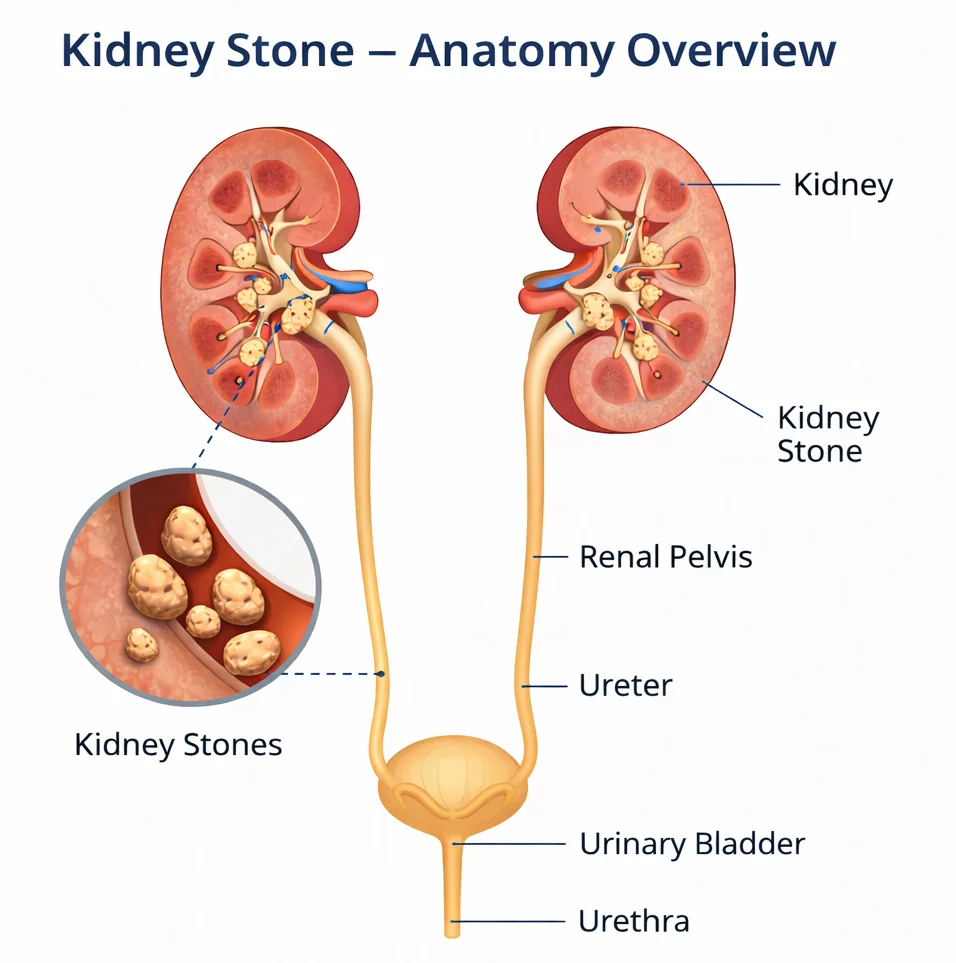
Kidney stones (nephrolithiasis) are hard mineral deposits that form inside the kidneys when urine becomes too concentrated. They can be as small as a grain of sand or as large as a golf ball, and can affect any part of the urinary tract.
India has one of the world’s highest rates of kidney stone disease. The good news: with the right kidney stone treatment, most stones can be managed quickly and effectively — often without surgery at all.
Identifying your stone type helps determine the best treatment and prevention strategy.
Most common type. Forms when calcium combines with oxalate. Linked to low fluid intake and high-oxalate diet (spinach, nuts, chocolate).
Most CommonAssociated with gout, high-protein diets and dehydration. Unique: can sometimes be dissolved with alkaline medications without surgery.
Diet-RelatedCaused by urinary tract infections. Can grow rapidly to fill the kidney (staghorn stones). Requires treatment of the underlying infection.
Infection-LinkedRare, hereditary condition (cystinuria). Stones form due to excess cystine in urine. Recurrent and require long-term specialist management.
Hereditary / RareRed symptoms need immediate attention. Don’t delay — consult a kidney stone specialist in Ahmedabad early to prevent complications.
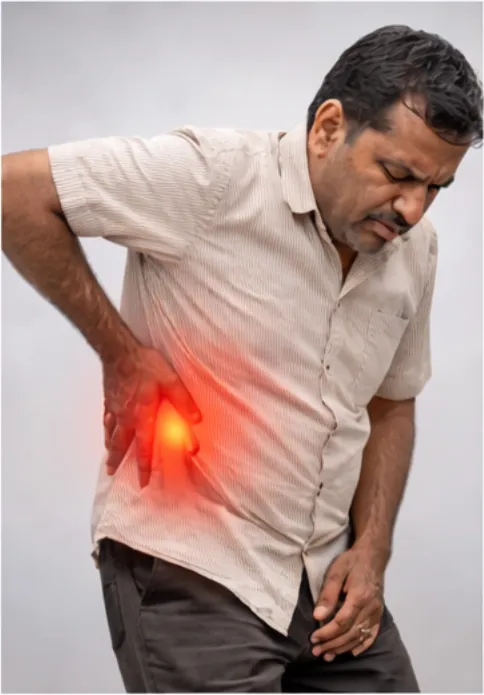
Sudden, intense pain in back or side below ribs — often described as the worst pain imaginable
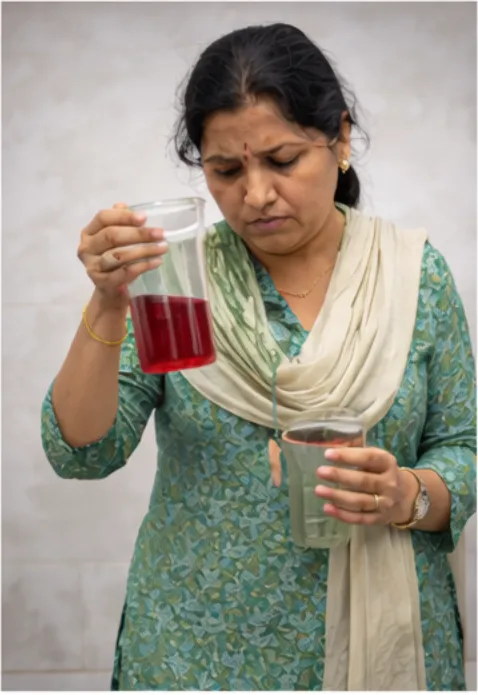
Pink, red or brown urine — a classic sign of kidney stones or urinary tract injury
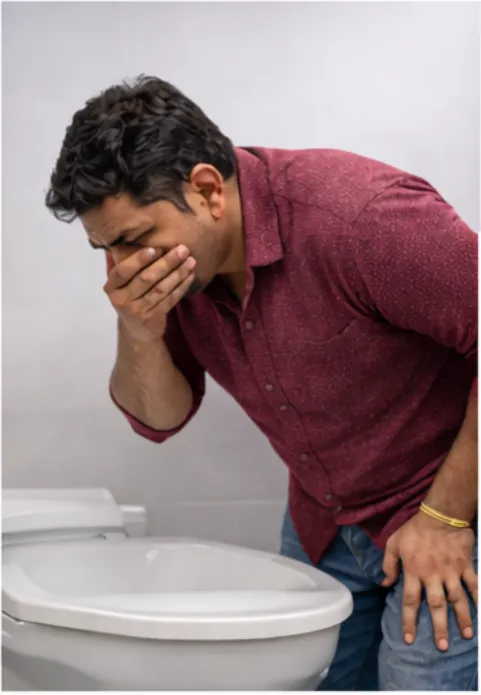
Triggered by nerve connections between the kidneys and the GI tract during stone movement
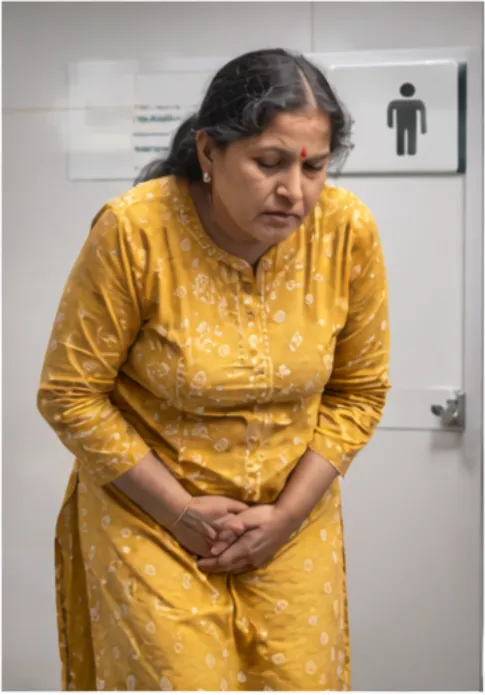
Persistent urge to urinate, or urinating in small amounts — especially when stone is near the bladder
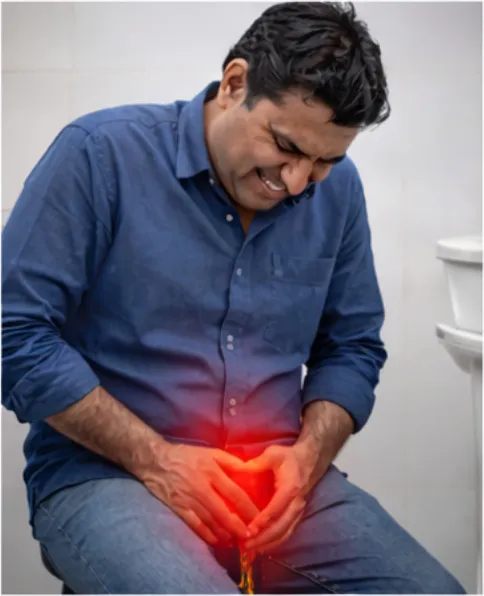
Pain or burning during urination as the stone irritates the urinary tract lining
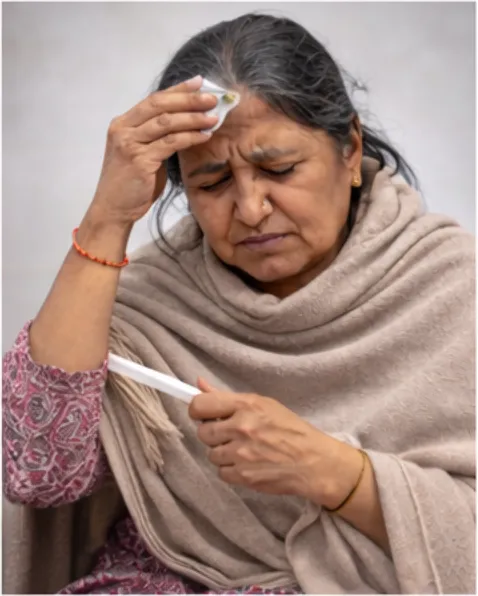
Fever with a kidney stone signals infection — this is a medical emergency requiring immediate treatment
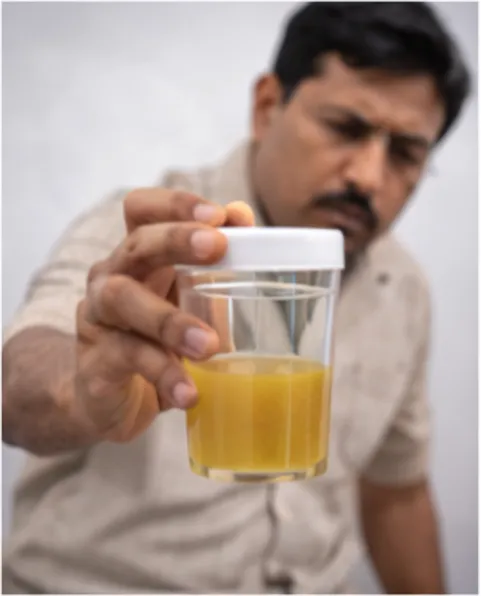
Cloudy or bad-smelling urine may indicate infection alongside a kidney stone
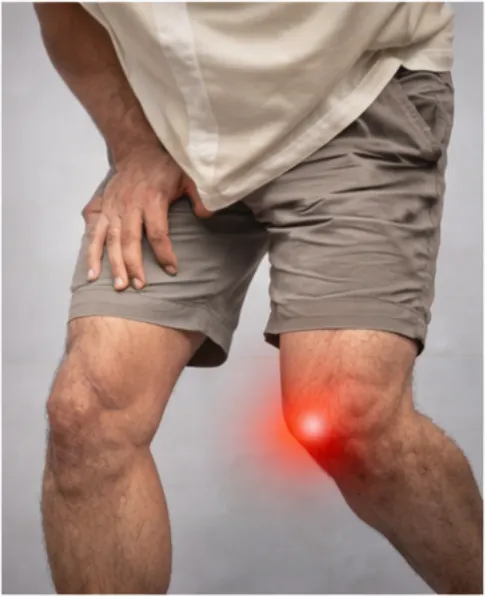
Pain radiating from the flank to the groin and inner thigh as the stone moves down the ureter
Not every stone needs surgery. For patients seeking kidney stone treatment in Ahmedabad, our urologist recommends the least invasive option that will work for your specific stone size, type and location.
Thousands of patients have found fast, effective kidney stone relief at Trayam Hospital.
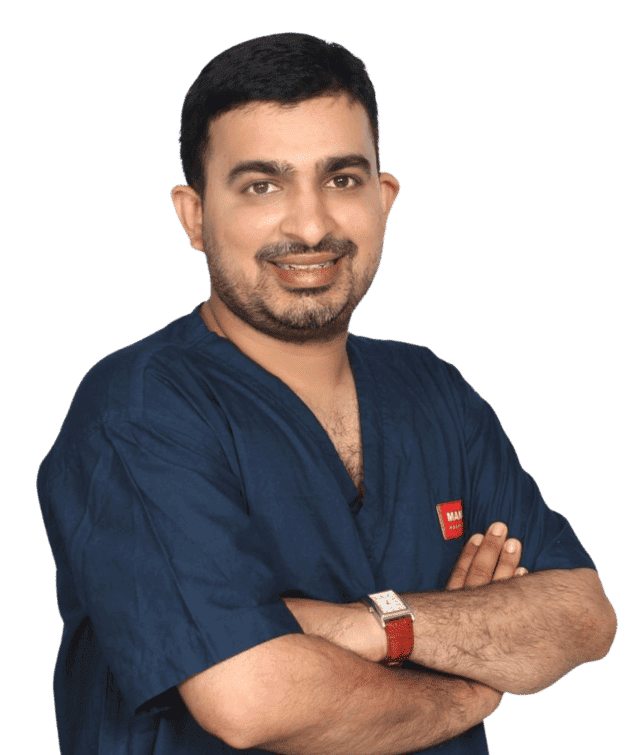
Leads the Urology Department
Dr. Renish Patel is a highly experienced endourologist specialising in minimally invasive kidney stone treatment. With over 2,000 procedures performed — including ESWL, Holmium laser URS, RIRS and PCNL — dedicated to finding the least invasive, most effective solution for every patient.
Many kidney stone patients are pushed into expensive procedures they don’t need. Urology is one of the most over-treated specialties in India — patients deserve honest advice before committing.
We review your scan, stone size, composition and history before suggesting any treatment. No procedure is recommended without proper assessment.
We walk you through every available option — watchful waiting, ESWL, laser, PCNL — with honest pros, cons, costs and recovery times. You decide.
Every patient leaves with a personalised prevention plan. Treating the stone without addressing the cause is incomplete care — we don't do that.
Get a second opinion or first consultation — we’ll tell you honestly whether you need a procedure, and if so, which one is right for your specific stone.
Confidential · No Obligation · Reply in 2 Hours
40–50% of kidney stone patients have a recurrence within 5 years. These steps dramatically reduce your risk.
Small stones under 5mm have a good chance of passing naturally with plenty of fluids and medication. Uric acid stones can also be dissolved with oral medication regardless of size. Larger stones (above 7–10mm) generally require medical intervention.
The procedure is performed under anaesthesia, so you feel nothing during it. Most patients report minimal discomfort after — manageable with simple painkillers. Most go home the same day or next morning and return to normal activity within 1–2 days.
An ESWL session takes 45–60 minutes. It is completely non-invasive — no cuts or anaesthesia. A kidney stone specialist in Ahmedabad uses this method with success rates of 70–90%, depending on stone size and location. Some stones require more than one session. You can return home immediately after treatment.
As a general guide: stones under 5mm can often pass naturally; 5–15mm may need ESWL or laser; stones over 15–20mm typically require PCNL. However, location, stone composition and patient factors also influence the decision — every case is assessed individually.
For calcium oxalate stones: reduce spinach, beets, nuts, chocolate and excess salt. For uric acid stones: limit red meat, organ meats and seafood. Drink plenty of water. However, avoid very low calcium diets — dietary calcium actually binds oxalate in the gut and reduces stone risk.
Without intervention, approximately 40–50% of patients have a recurrence within 5 years. However, with stone composition analysis, a tailored diet plan and appropriate medication, recurrence rates can be dramatically reduced. Our prevention programme has proven very effective for our patients.
Yes, most health insurance plans cover kidney stone treatment including all surgical procedures. We are empanelled with all major insurers including cashless facility. Our dedicated insurance desk handles pre-authorisation and claims on your behalf.
Kidney stone pain is typically severe, colicky (comes in waves), located in the flank (side of back below ribs), and may radiate to the groin. It is often accompanied by nausea, and blood in urine. A simple ultrasound or CT scan (KUB) will confirm the diagnosis in minutes.
Same-day consultations available. We’ll guide you to the right treatment — fast.