Experiencing severe flank pain or blood in urine? This could be a kidney stone emergency — don’t wait.
From early BPH managed with medication to severe obstruction treated with gold-standard laser HoLEP, our expert urologist provides the right care for your prostate at every stage. Same-day consultations available in Ahmedabad.
Tell us your symptoms — we’ll guide you immediately
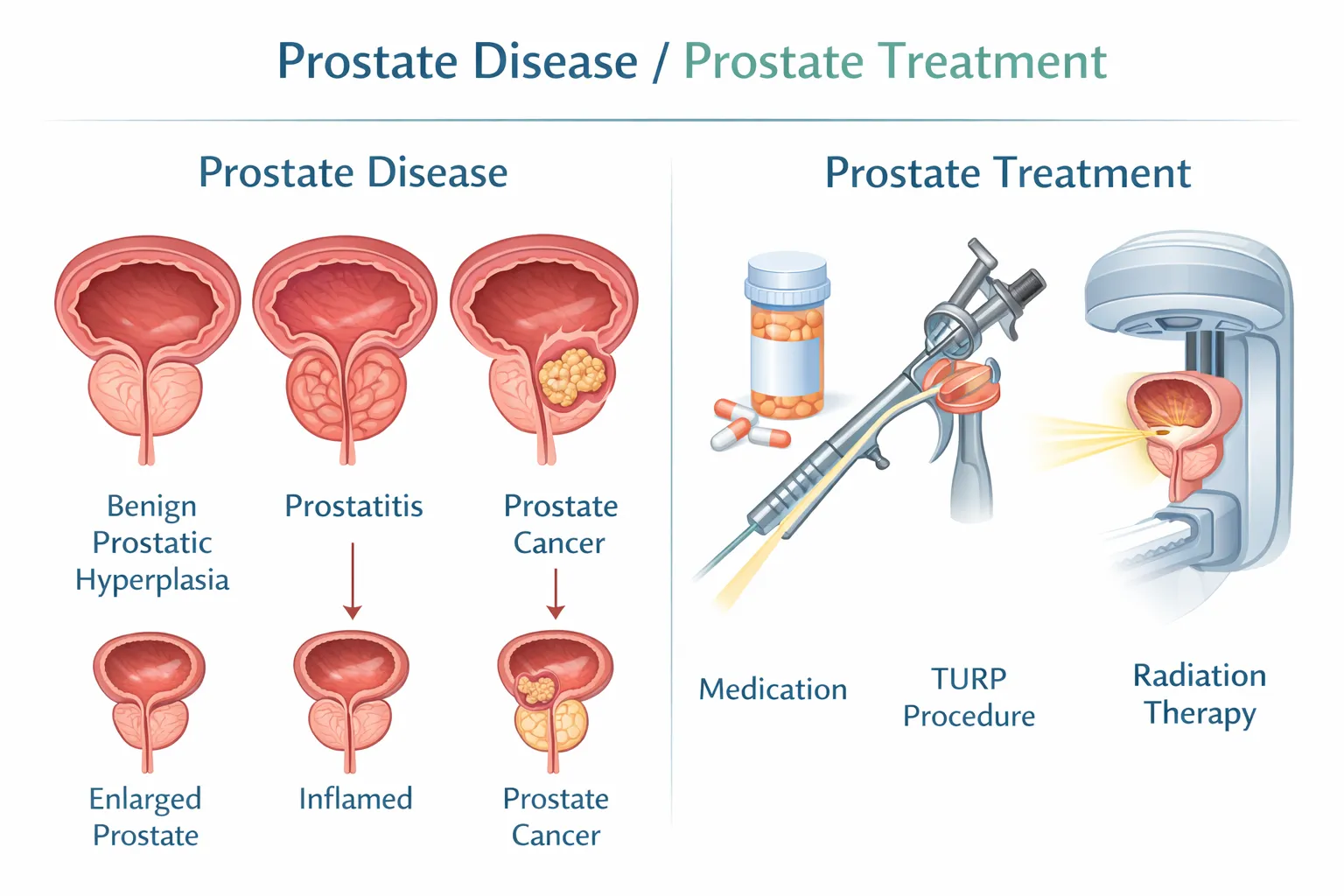
The prostate is a walnut-sized gland that sits just below the bladder in men, surrounding the urethra. It plays a key role in the male reproductive system. As men age, the prostate can become enlarged, inflamed, or in some cases develop cancer — all of which can cause significant urinary and quality-of-life problems.
Prostate conditions affect over 50% of Indian men above the age of 50. The encouraging news: most prostate problems are very effectively treated with the right prostate treatment approach, including moderate-to-severe BPH. Early evaluation, honest diagnosis and the correct treatment pathway make a profound difference.
Prostate disease takes several distinct forms — each with different causes, symptoms and treatments. Accurate diagnosis guides the right care.
Benign Prostatic Hyperplasia is a non-cancerous enlargement of the prostate that squeezes the urethra and restricts urine flow. The most common prostate condition in men over 50.
Most CommonInflammation or infection of the prostate. Can be acute bacterial (sudden, severe), chronic bacterial, or chronic pelvic pain syndrome. Affects men of all ages, not just older men.
Infection / InflammationThe second most common cancer in men. Often slow-growing and initially asymptomatic. Detected by PSA testing and biopsy. When caught early, treatment outcomes are excellent.
PSA Screening EssentialSudden inability to urinate — a urological emergency caused by severe prostate obstruction. Requires immediate catheterisation followed by definitive prostate treatment.
Emergency — Seek Care NowRed symptoms require immediate attention. Consult a prostate specialist in Ahmedabad early, as symptoms often worsen gradually and timely assessment prevents complications and avoids emergency situations.
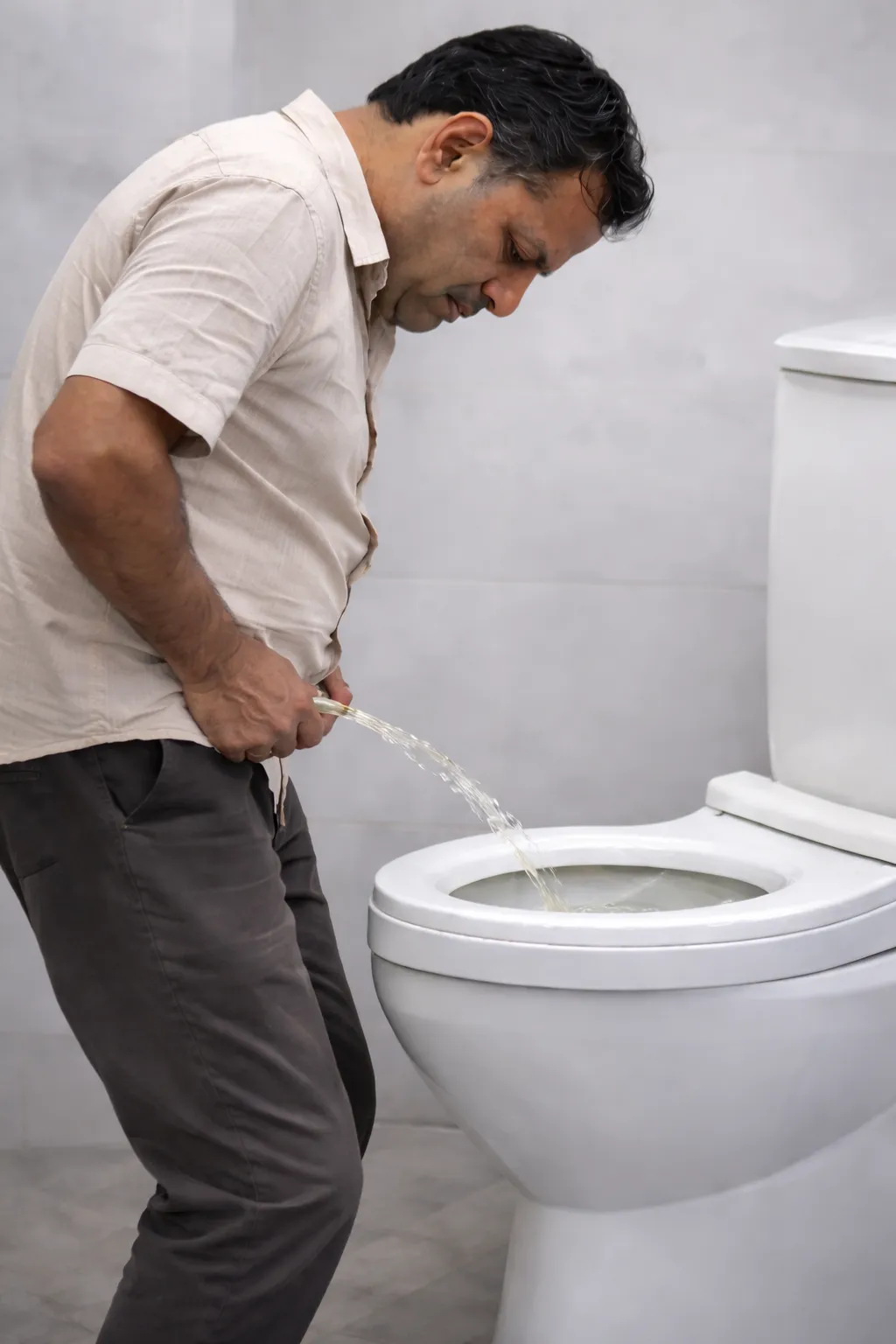
Noticeably reduced urine force or a slow, intermittent stream — a hallmark sign of prostate obstruction

Waking 2 or more times per night to urinate (nocturia) — severely disrupts sleep and quality of life
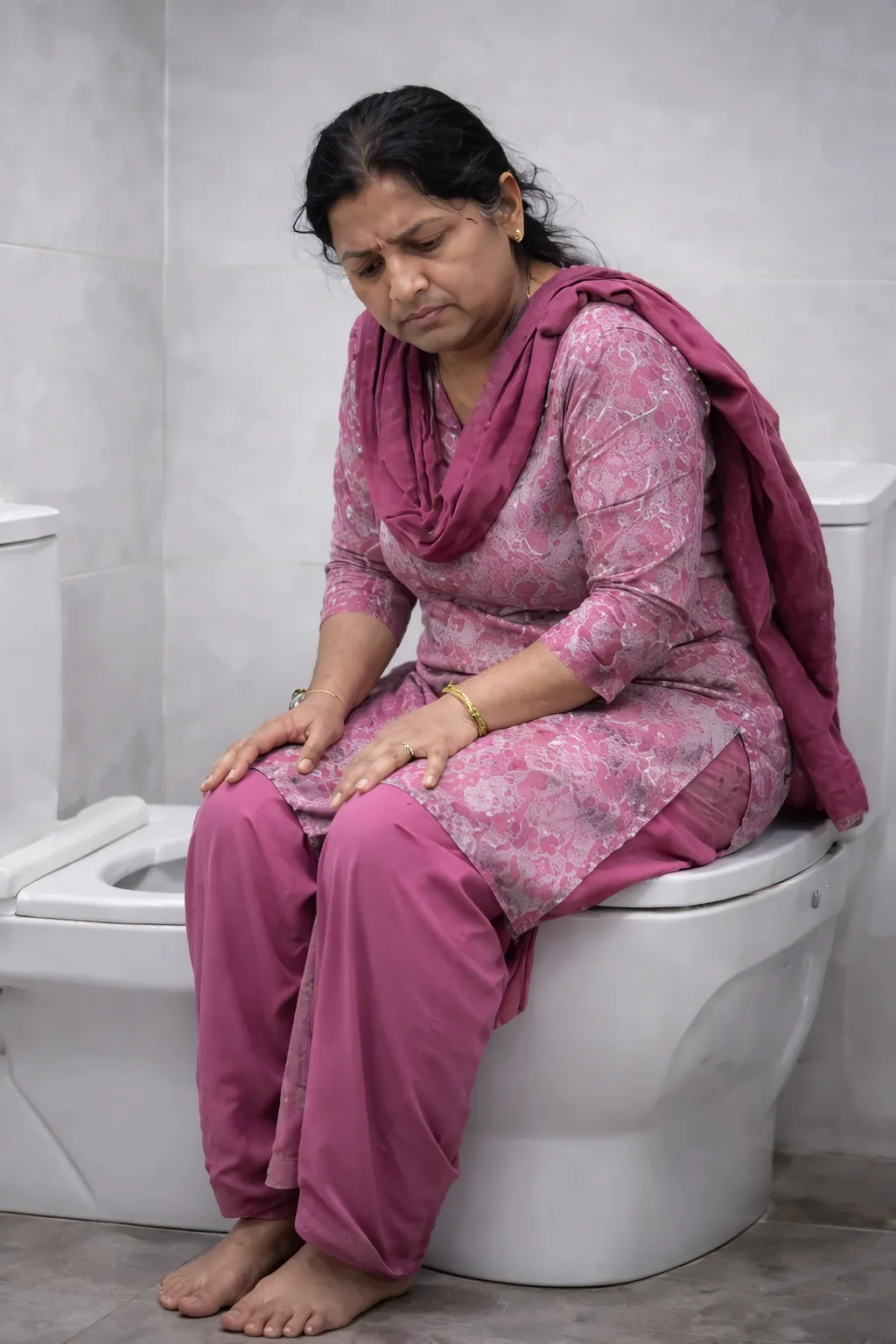
Persistent feeling that the bladder hasn't fully emptied after urinating — leads to infections if left untreated
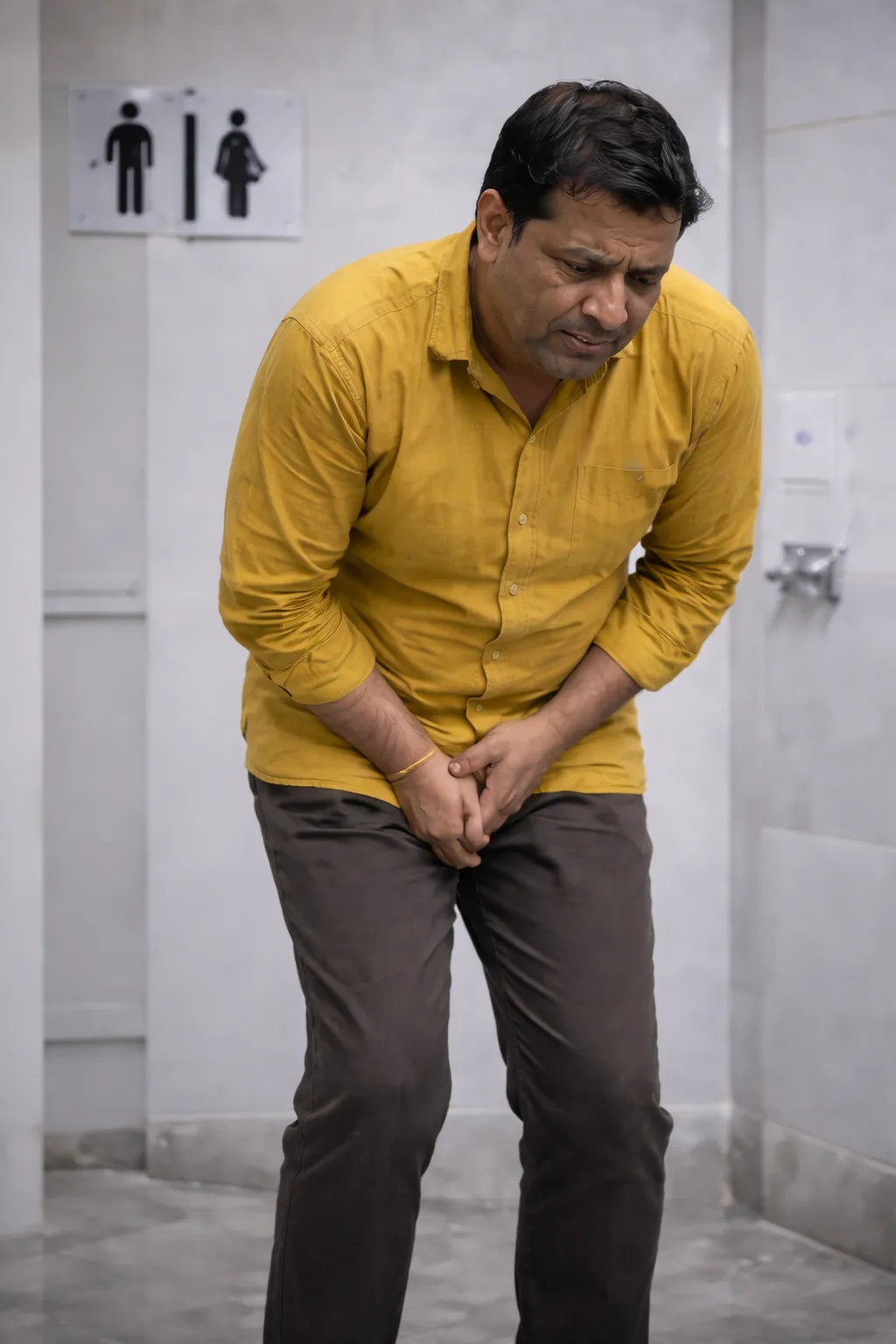
Sudden, strong urge to urinate, or needing to go very frequently — can indicate prostatitis or irritable bladder from BPH
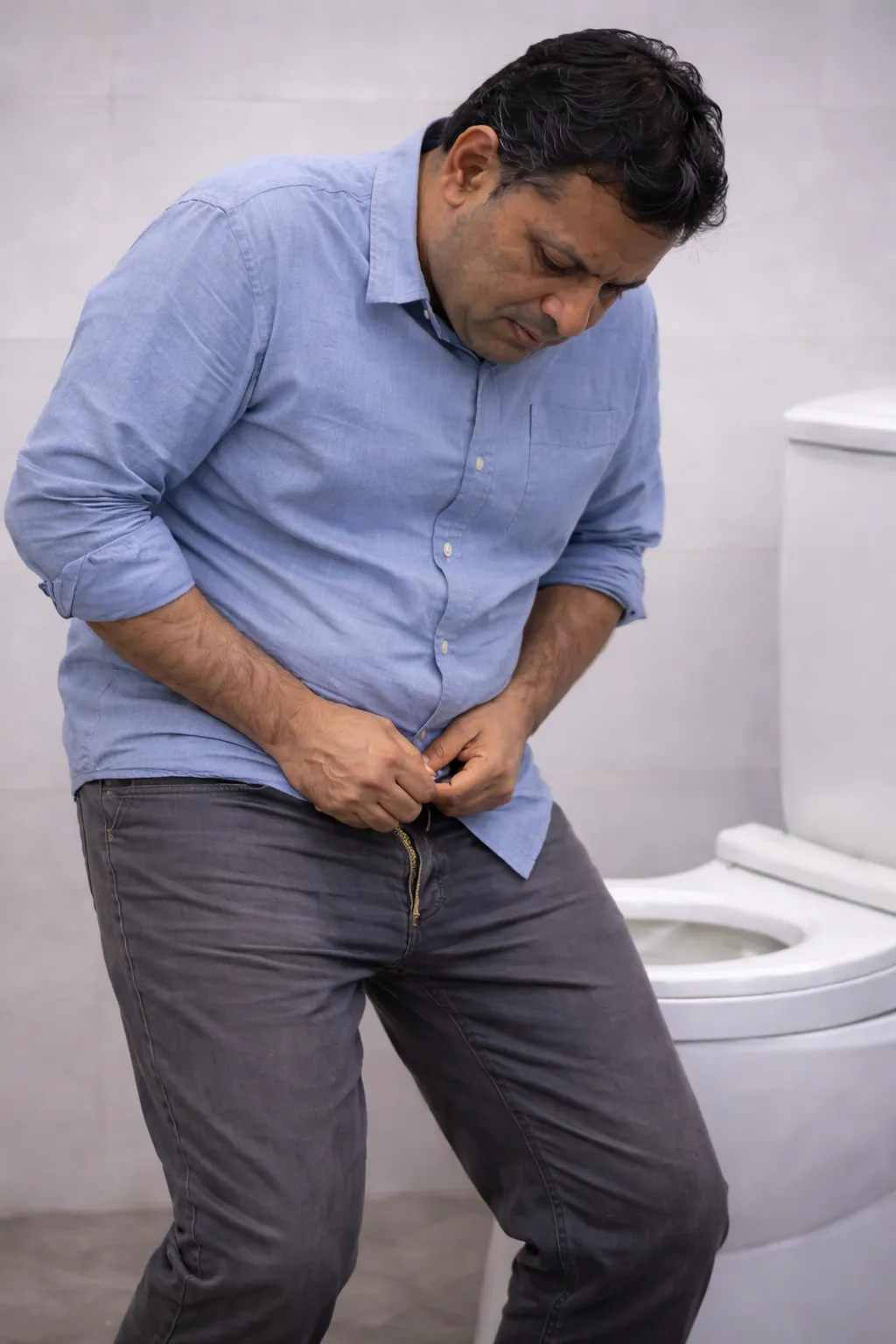
Difficulty initiating urination — having to wait or strain to start the stream is a classic sign of prostate obstruction
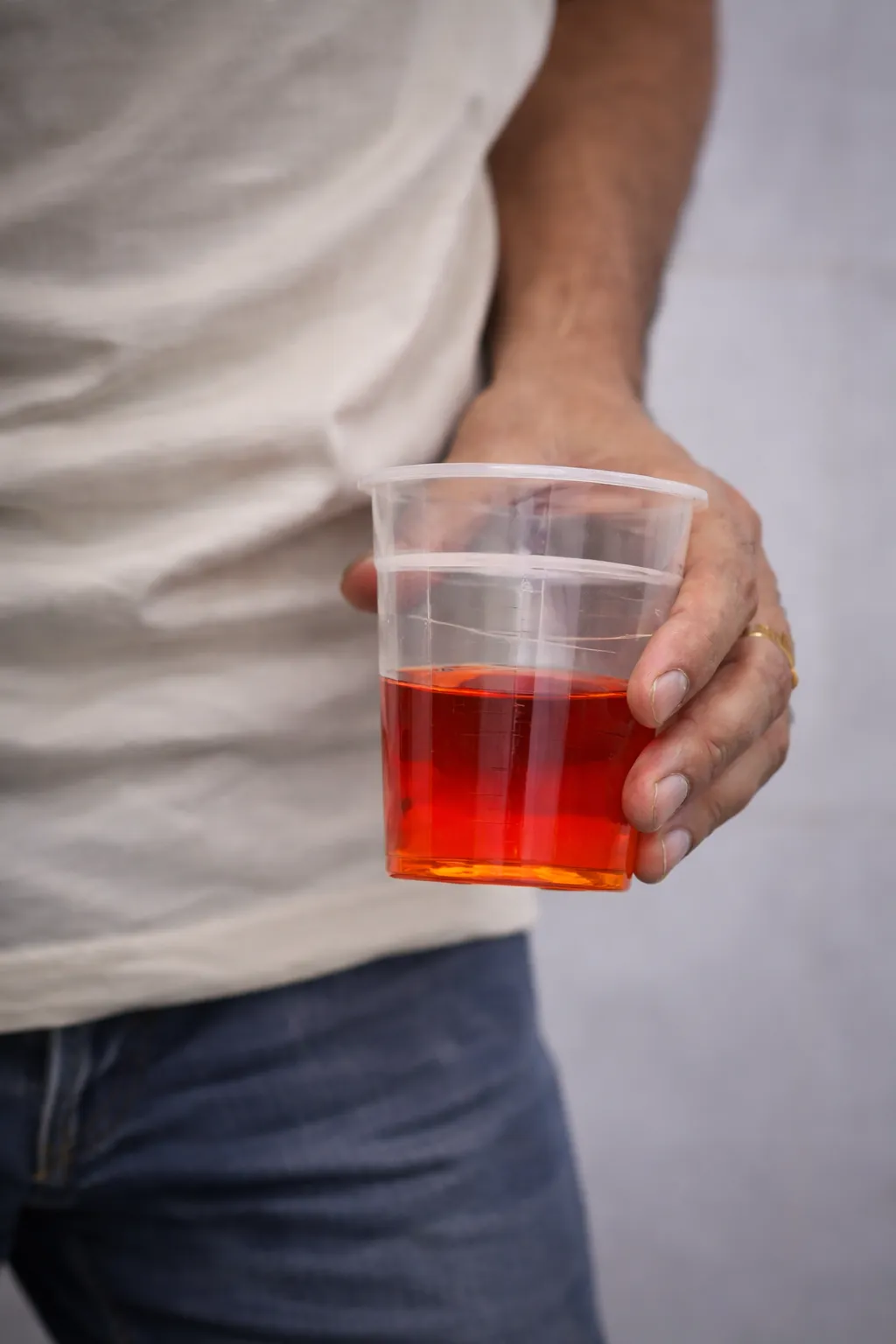
Pink, red or cola-coloured urine, or blood in semen — requires immediate evaluation to rule out prostate cancer or infection
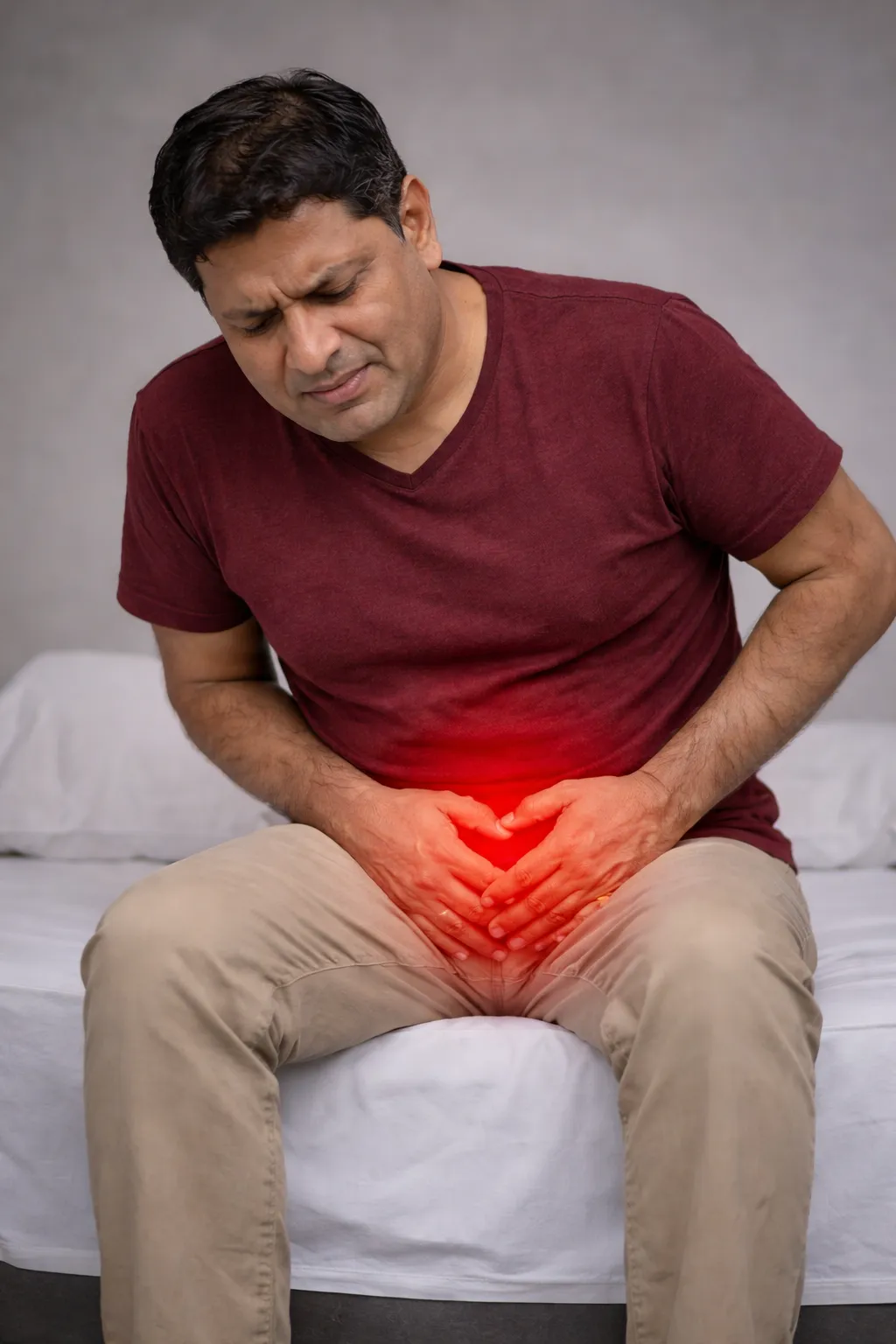
Aching or pressure in the pelvis, perineum or lower back — a common sign of prostatitis or advanced BPH
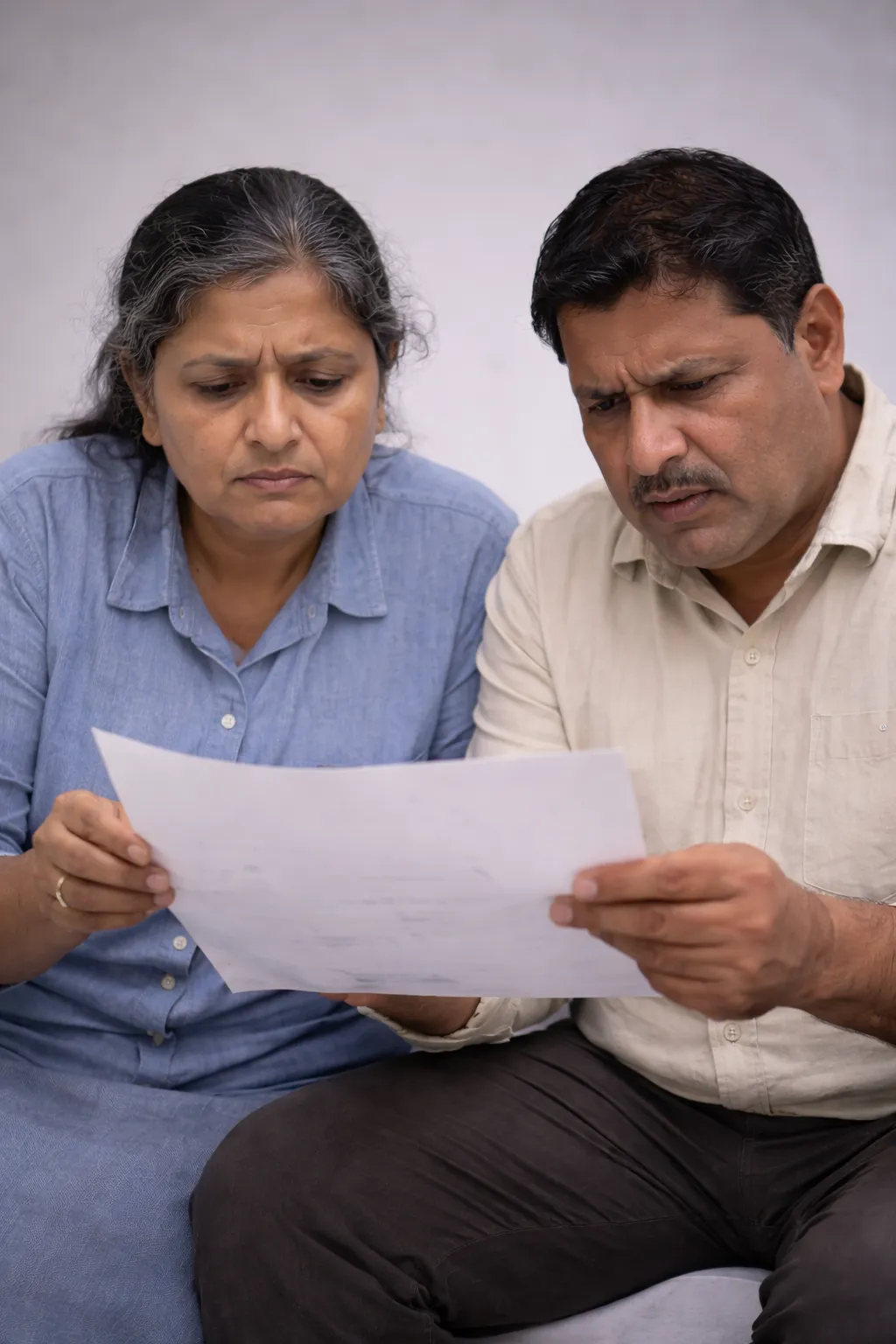
A raised PSA blood test result warrants further evaluation — can indicate BPH, prostatitis or prostate cancer
Not every prostate problem needs surgery. Our prostate specialist recommends the simplest, most effective option for your specific condition, stage and overall health.
Thousands of men have regained their quality of life with expert prostate treatment at Trayam Hospital.
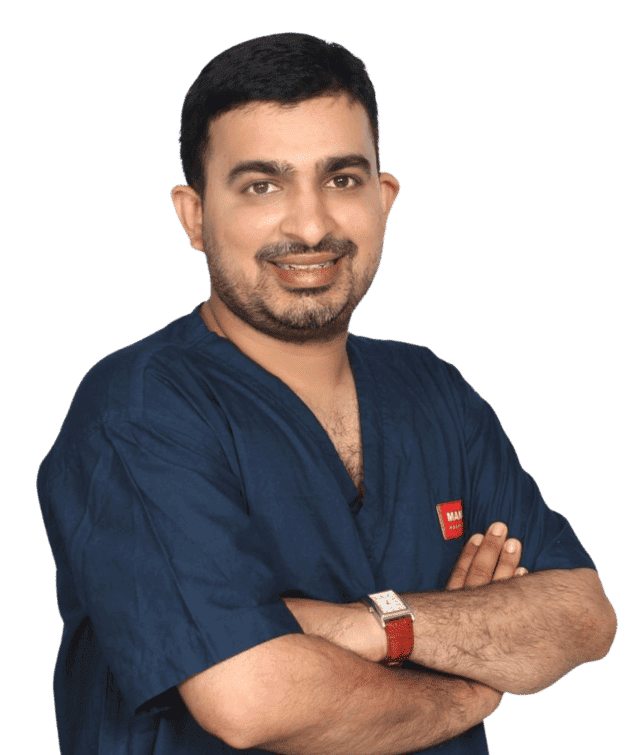
Leads the Urology Department
Dr. Renish Patel is a highly experienced urologist specialising in minimally invasive prostate treatment. With over 6,000 prostate consultations and extensive HoLEP and TURP experience, he is committed to providing honest, patient-centred care — recommending surgery only when it will genuinely improve your life.
Prostate disease is widely over-treated in India. Many men are fast-tracked into surgery before less invasive options are fully explored. You deserve an honest assessment — not a rushed procedure.
We perform PSA, uroflowmetry, post-void residual scan and full symptom scoring before recommending any treatment. No procedure is suggested without proper assessment.
We walk you through every option — watchful waiting, medications, HoLEP, TURP — with honest pros, cons, costs, risks and expected outcomes. You make the informed decision.
Every patient receives an ongoing PSA monitoring and prostate health plan. Treatment without long-term follow-up is incomplete care — we never leave you without a clear road ahead.
Get a second opinion or first consultation — we’ll tell you honestly whether you need medication, surgery or simply monitoring, and exactly what to expect from each option.
Confidential · No Obligation · Reply in 2 Hours
Whether you've been treated or are managing symptoms with medication, these steps support long-term prostate health and quality of life.
BPH (Benign Prostatic Hyperplasia) is a non-cancerous enlargement of the prostate — extremely common in men over 50. Not every patient needs surgery. Mild-to-moderate symptoms are often well-controlled with daily medications (alpha-blockers and 5-ARIs). Surgery is recommended only when symptoms are severe, medicines fail, or complications such as urinary retention, bladder damage or kidney problems develop.
HoLEP (Holmium Laser Enucleation of the Prostate) is the gold standard for BPH surgery. It removes the entire obstructing prostate tissue through the urethra — with no skin incision. Compared to TURP, HoLEP has significantly lower re-treatment rates (less than 1% at 10 years), less bleeding, and works on any prostate size. Most patients go home within 24 hours.
HoLEP is performed under spinal or general anaesthesia — you feel nothing during the procedure. Mild urinary symptoms (frequency, urgency) are common for the first 2–4 weeks as the urethra heals. Most patients are discharged within 24 hours, return to desk work in 1–2 weeks and resume full activity in 4–6 weeks. The long-term improvement in urinary flow is typically dramatic.
A PSA above 4 ng/mL warrants evaluation, but an elevated PSA does not necessarily mean cancer — BPH, prostatitis, recent ejaculation or even vigorous cycling can raise PSA. Age-specific PSA ranges exist, and PSA density and velocity (rate of rise) are also considered. Our urologist will review your full clinical picture — not just the number — before recommending further tests.
Permanent urinary incontinence after HoLEP is very rare — occurring in less than 1% of patients. Most men experience temporary stress incontinence (leaking on coughing or exercise) for 2–6 weeks after catheter removal. Structured pelvic floor exercises, which we teach before surgery, resolve this in the vast majority of patients. Our urologist will discuss all risks honestly during your pre-operative consultation.
Yes — prostatitis (especially acute bacterial) can substantially raise PSA, sometimes to double-digit levels, without any cancer. This is why elevated PSA should never trigger an immediate biopsy without excluding infection first. Diagnosis involves urine culture, IPSS symptom score, uroflowmetry and sometimes a prostate ultrasound. Treating prostatitis will lower PSA if it was the cause.
Yes — HoLEP, TURP and prostatitis treatment are covered by most health insurance policies in India. Trayam Hospital is empanelled with all major insurers including cashless facility. Our dedicated insurance desk manages pre-authorisation and claim support from the day of your consultation.
Men over 50 should have an annual prostate health check including PSA blood test and clinical examination. Men with a father or brother who had prostate cancer should start screening at 40–45 years. Any man of any age with urinary symptoms — difficulty starting, weak stream, night-time urination — should consult a urologist rather than waiting for an annual check.
BPH is a non-cancerous enlargement of the prostate that causes urinary symptoms — it does not spread and is not life-threatening. Prostate cancer is a malignancy that may cause similar or no symptoms in early stages. Having BPH does not increase your risk of prostate cancer. Both conditions are diagnosed and managed differently. PSA testing, digital rectal examination and biopsy (when indicated) are used to differentiate them accurately.
Same-day consultations available. Honest advice — we'll guide you to the right treatment, not the most expensive one.