High fever with loin pain and burning urine? This may be a kidney infection (pyelonephritis) — requires urgent assessment and treatment to protect your kidneys.
UTI, bladder infections and kidney infections diagnosed with urine culture — not guesswork. From first-time uncomplicated UTI to recurrent and complicated infections, our urinary infection doctor identifies the exact bacteria and the antibiotic to which it is sensitive to before prescribing.
Tell us your symptoms — we respond within 2 hours

A urinary tract infection (UTI) occurs when bacteria — most commonly E. coli from the gut — enter and multiply in the urinary tract. Infections can affect the bladder (cystitis), the urethra (urethritis) or travel upward to one or both kidneys (pyelonephritis). Each site has different symptoms, urgency and treatment requirements.
The single most important step in UTI treatment is a urine culture and sensitivity test — identifying the exact bacteria causing the infection and the antibiotic it responds to. Treating UTI with the wrong antibiotic based on guesswork prolongs symptoms, drives antibiotic resistance and increases recurrence risk. We culture before we prescribe.
Not all UTIs are the same. The location, frequency, patient profile and presence of fever determine how urgently and how extensively the infection must be treated.
Lower UTI — bacteria infecting the bladder. Causes burning on urination, urinary frequency, urgency and cloudy or smelly urine. No fever. Most common in women. Responds quickly to correct targeted antibiotic.
Most CommonUpper UTI — bacteria reaching one or both kidneys. Causes high fever, rigors, loin pain, nausea and vomiting in addition to urinary symptoms. Requires urgent assessment, IV antibiotics and hospitalisation in severe cases. Can cause permanent kidney damage if untreated.
Urgent3 or more confirmed UTIs in one year — requires investigation for an underlying cause, not just repeated antibiotics. Common causes include incomplete bladder emptying, BPH, kidney stones, hormonal changes in postmenopausal women or antibiotic resistance from prior treatment.
Investigate CauseUTI in men, catheter-associated UTI, post-procedure UTI, UTI with diabetes or immunosuppression — all considered complicated. Requires investigation for a structural or functional cause (BPH, stone, stricture, reflux) rather than empirical treatment and repeat antibiotics.
Full InvestigationKnow which symptoms indicate a simple bladder infection, which signal a kidney infection requiring urgent care, and which patterns suggest recurrent UTI needing investigation.
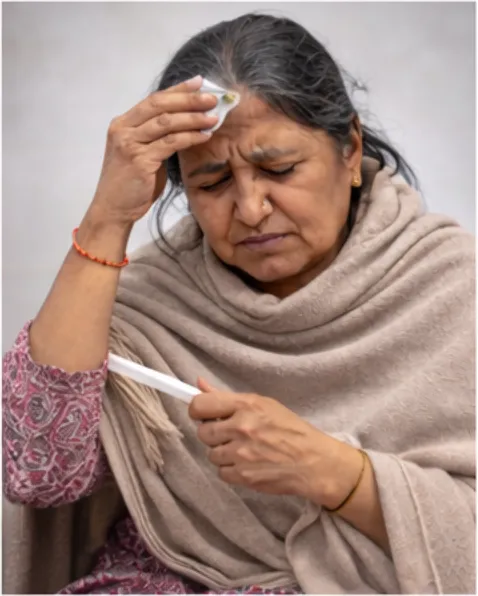
High fever with back/flank pain is pyelonephritis. Needs urgent assessment — kidney damage risk. Do not wait.
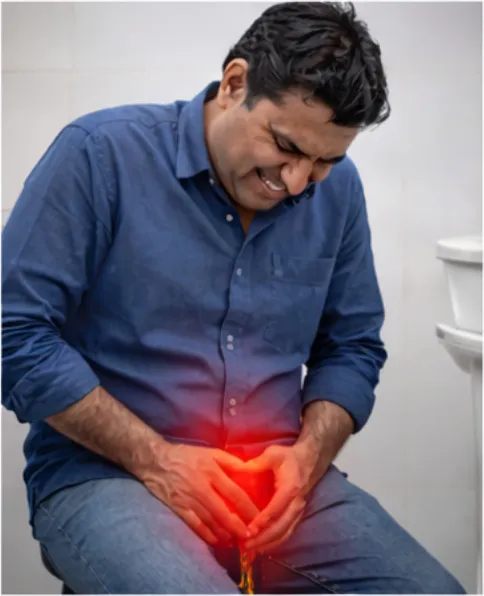
Dysuria — the hallmark symptom of cystitis. Burning, stinging or pain during urination, often throughout or at the end.
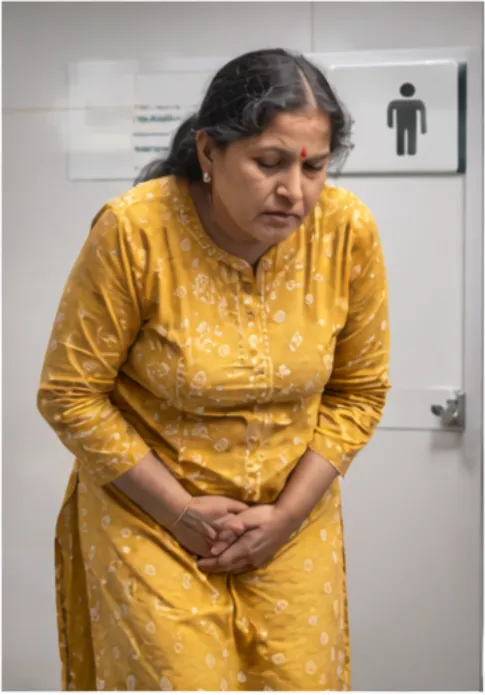
Needing to urinate very frequently — every 15–30 minutes — passing only small amounts each time. Bladder feels constantly full.
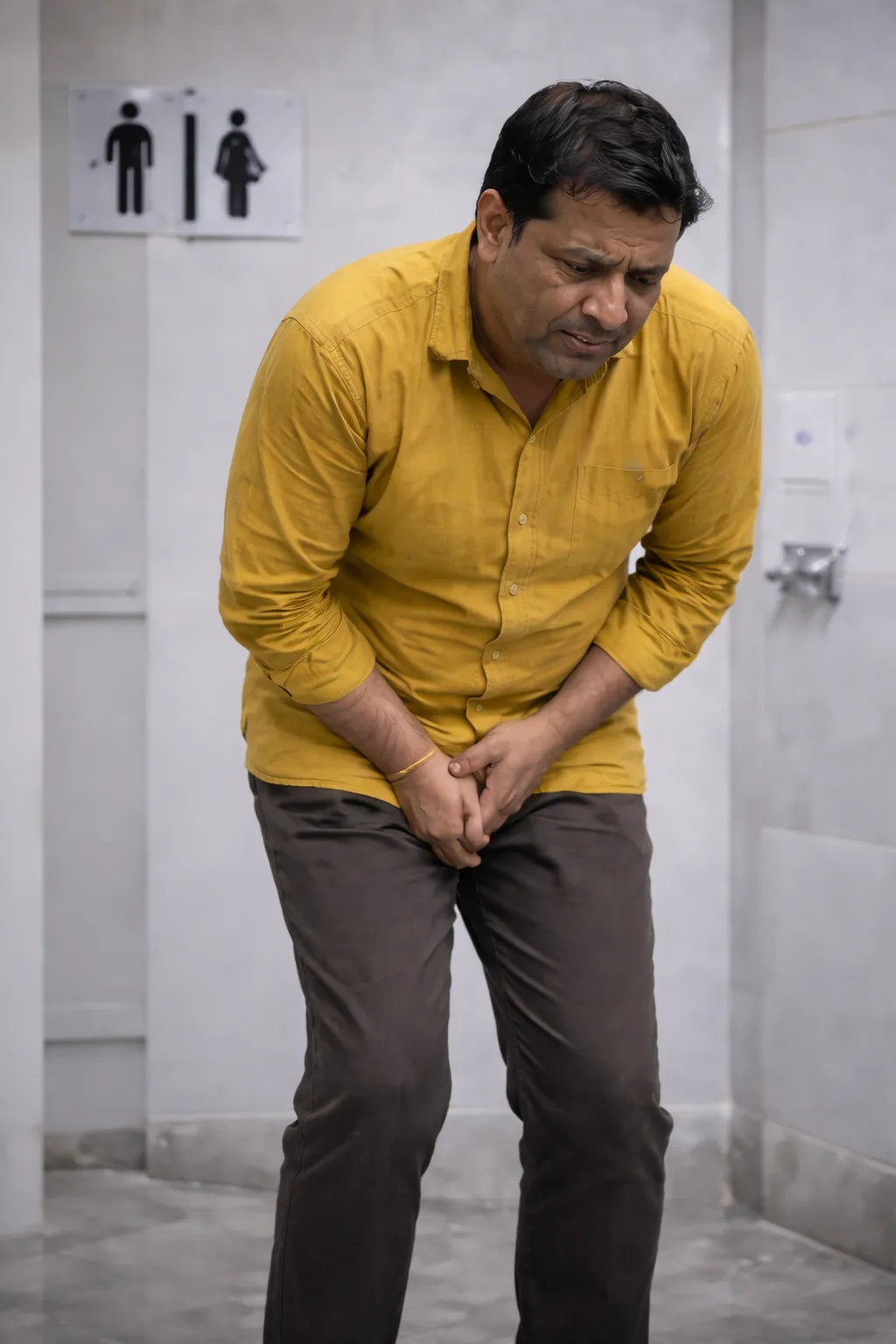
Sudden, intense urge to urinate that cannot be delayed — often accompanied by leakage. Irritated bladder wall from bacterial infection.
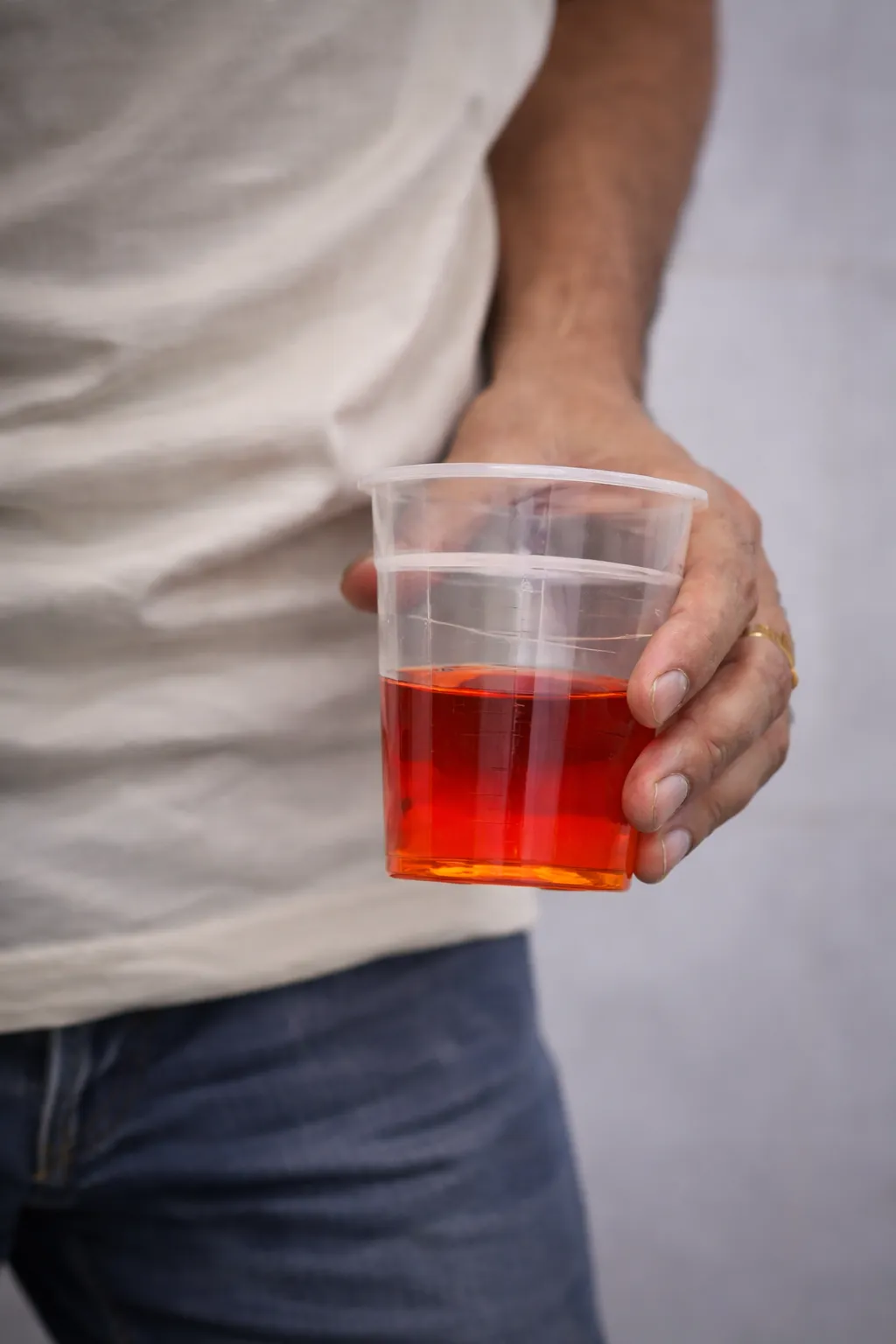
Haematuria from UTI is common — inflamed bladder wall bleeds. Must be distinguished from haematuria from stone, tumour or kidney disease.
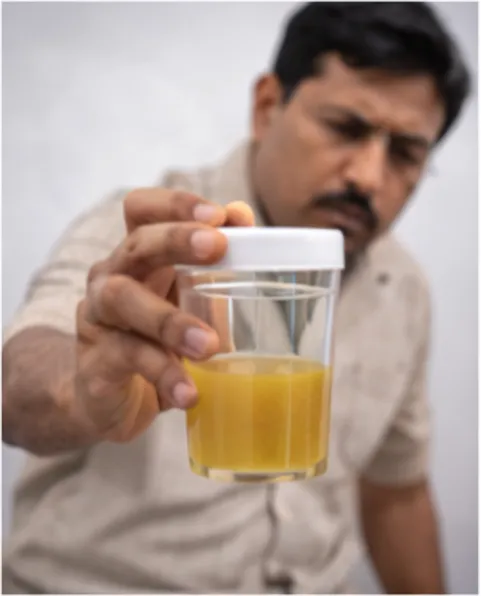
Cloudy, turbid urine with strong or ammonia-like smell — caused by bacteria, white blood cells and debris from an active bladder infection.

Dull aching pressure in the lower abdomen or pelvis — from the inflamed, irritated bladder wall. Common in women with cystitis.
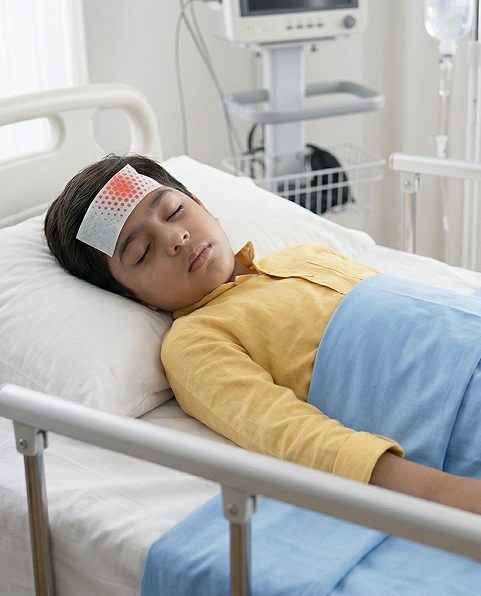
Children and elderly patients may present with fever alone, confusion, vomiting or behaviour change — without typical burning. Always culture and assess.
Effective UTI treatment is not just about prescribing any antibiotic — it is about prescribing the right one, at the right dose, for the right duration, based on culture results. Here is how we manage each presentation.
We provide UTI treatment in Ahmedabad with the discipline it deserves — culture before antibiotics, root cause investigation for recurrent cases, and a genuine prevention plan.

Senior Consultant Urologist — UTI, Recurrent Infection & Urinary Tract Specialist, Trayam Hospital
Dr. Renish Patel has managed thousands of UTI cases — from first-time cystitis to complex recurrent infections, febrile upper tract infections and difficult cases involving antibiotic resistance. The approach is always culture-guided, the investigation always thorough, and the goal always to find and fix the underlying cause rather than just suppress the next infection with another antibiotic course.
UTI is one of the most over-treated and incorrectly treated conditions in outpatient medicine. Many patients receive repeated rounds of antibiotics without a culture, without investigation, and without a prevention plan — leading to resistance and chronic recurrence.
We send urine for culture and sensitivity before prescribing in all recurrent, complicated or upper UTI cases. The correct antibiotic is prescribed based on the actual bacteria — not empirical guesswork.
3 or more UTIs per year triggers a full investigation: renal ultrasound, post-void residual, uroflowmetry, hormonal assessment for women, prostate evaluation for men. We find and fix the cause.
Every recurrent UTI patient leaves with a personalised written prevention plan — hydration, hygiene, hormonal support, prophylaxis where appropriate. Our goal is to make this the last UTI you need to treat.
Recurrent UTIs? Not responding to antibiotics?
Bring your previous urine culture results and antibiotic history if available. We’ll find out what is actually causing your infections — and fix it.
Confidential · No Obligation · Reply in 2 Hours
Most recurrent UTIs are preventable once the underlying cause is identified and addressed. These are the evidence-based strategies we use for our recurrent UTI patients.
A bladder infection (cystitis) causes burning on urination, frequency and cloudy urine — but no fever. A kidney infection (pyelonephritis) causes high fever, rigors, loin pain and vomiting in addition to urinary symptoms. Any UTI with fever must be assessed urgently — it may be a kidney infection requiring IV antibiotics and investigation for obstruction.
Recurrent UTI (3 or more per year) almost always has an underlying cause. In women: incomplete bladder emptying, hormonal changes after menopause, anatomical factors or post-coital pattern. In men: prostate enlargement causing residual urine. In both: antibiotic resistance from incomplete previous treatment. We investigate the cause before treating — not just repeat antibiotics.
UTI treatment in Ahmedabad requiring hospitalisation — such as IV antibiotic treatment for pyelonephritis or emergency drainage of an infected obstructed kidney — is covered by all Indian health insurance policies. Trayam Hospital is empanelled with all major insurers. Outpatient UTI consultation and oral antibiotics may be claimed under OPD benefit depending on your policy terms.
Uncomplicated lower UTI (cystitis) typically resolves within 3–7 days on the correct targeted antibiotic. Symptoms of burning and frequency usually start improving within 24–48 hours of correct therapy. Upper UTI (pyelonephritis) requires 10–14 days. If symptoms persist beyond 48–72 hours, a urine culture re-check is essential to confirm the right antibiotic is being used.
Yes — repeated upper urinary tract infections (pyelonephritis) or untreated complicated UTI can cause renal scarring and progressive kidney damage. An infected obstructed kidney that is not drained promptly is particularly dangerous. This is why prompt, culture-guided treatment of upper UTI is critical, and why recurrent UTI must be investigated for underlying causes.
Recurrent UTI evaluation includes: urine culture and sensitivity for the current episode, renal and bladder ultrasound, post-void residual measurement, uroflowmetry if obstruction is suspected, and blood tests including renal function. In postmenopausal women, hormonal assessment. In men, prostate evaluation. In children, VUR assessment.
Some evidence supports modest benefits of cranberry products and D-mannose for UTI prevention in women with recurrent uncomplicated UTI — they reduce bacterial adhesion to bladder wall cells. They are not a substitute for investigation and treatment of recurrent UTI but are safe supplements with no resistance risk. We provide evidence-based guidance on both as part of prevention planning.
UTI in men is less common than in women and is almost always considered a complicated UTI — warranting full investigation for a structural or obstructive cause such as BPH, urethral stricture or kidney stone. A UTI in a man should never be treated as a simple uncomplicated infection without proper evaluation including a prostate assessment and renal ultrasound.
UTI treatment in Ahmedabad requiring hospitalisation — such as IV antibiotic treatment for pyelonephritis or emergency drainage of an infected obstructed kidney — is covered by all Indian health insurance policies. Trayam Hospital is empanelled with all major insurers. Outpatient UTI consultation and oral antibiotics may be claimed under OPD benefit depending on your policy terms.
Effective UTI prevention: adequate hydration (2.5 litres per day), urinating promptly when the urge arises, post-coital voiding within 30 minutes for women, wiping front to back, avoiding harsh soaps near the urethra, and — for postmenopausal women — topical vaginal oestrogen if appropriate. We provide a personalised prevention plan for every recurrent UTI patient.
Bring your previous culture results if you have them — or we start fresh. Culture before antibiotics. Root cause found. Prevention plan provided.