Confidential Male Sexual Health Specialists

Male Sexual Dysfunction — Honest, Evidence-Based Treatment for ED, PE & More

Erectile dysfunction, premature ejaculation, Peyronie's disease and low testosterone are common conditions seen by a sexologist in Ahmedabad — not personal failures. Each has a specific, identifiable cause and an effective treatment. We find the cause first, then prescribe the right solution.

60–70%
Respond to PDE5 Inhibitors
90%+
Penile Implant Satisfaction
Always
Cardiovascular Assessed
Confidential
Private Consultations
100% Confidential
Cardiovascular Risk Assessed
Insurance Accepted
Same-Day Consultations

Get Expert Advice Now

Tell us your symptoms — we’ll guide you immediately
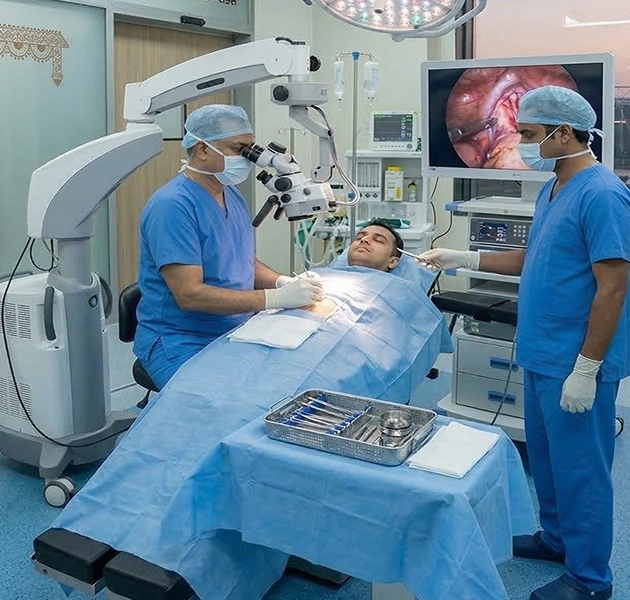
All consultations are 100% confidential — your privacy is our priority

    Male Sexual Dysfunction at Trayam Hospital
    Understanding Male Sexual Dysfunction

    What Is Male Sexual Dysfunction?

    Male sexual dysfunction encompasses a range of conditions that affect sexual function — including erectile dysfunction (ED), premature ejaculation (PE), Peyronie’s disease (penile curvature), low testosterone (hypogonadism) and problems with ejaculation or orgasm. These are medical conditions with identifiable causes — not inevitable consequences of ageing or personal weakness — and the vast majority are treatable.

    Crucially, erectile dysfunction is now recognised as an early warning sign of cardiovascular disease, which is why timely erectile dysfunction treatment in Ahmedabad matters. The penile arteries are smaller than coronary arteries and develop atherosclerosis earlier, meaning ED frequently precedes a cardiac event by 2–5 years. Every man seeking erectile dysfunction treatment for new-onset ED receives a full cardiovascular risk assessment at Trayam, not just a prescription.

    • Thorough structured assessment — sexual history, hormonal profile, vascular evaluation and cardiovascular risk before any prescription
    • Cause-specific treatment — vascular ED, hormonal ED, neurological, psychological and mixed causes each require different approaches
    • PDE5 inhibitors (sildenafil, tadalafil) are first-line for most organic ED — but not a substitute for identifying the underlying cause
    • Penile implant surgery available for ED that has not responded to medication — over 90% patient satisfaction
    • Peyronie's disease — both non-surgical (collagenase injections, traction) and surgical correction (Nesbit, grafting, implant) available
    Conditions We Treat

    Which Condition Are You Dealing With?

    Each type of male sexual dysfunction has a distinct cause, investigation pathway and treatment. Correct diagnosis is the essential first step — treatment without diagnosis is guesswork.

    Most Common
    male dysfunction

    Erectile Dysfunction (ED)

    Inability to achieve or maintain an erection sufficient for satisfactory sexual activity. Affects 40% of men at 40, 70% at 70. Causes: vascular (most common — 70%), hormonal, neurological, medication side effects, psychological. PDE5 inhibitors first-line for vascular ED. Full cardiovascular and hormonal assessment before prescribing.

    Most Common
    1 in 3
    men affected

    Premature Ejaculation (PE)

    Ejaculation occurring within 1 minute of penetration, causing significant distress. Lifelong (primary) PE — present since first sexual experience — often neurobiological. Acquired PE — developed after a period of normal function — often psychological or associated with ED. Highly treatable with SSRIs (dapoxetine), topical agents and behavioural therapy.

    Highly Treatable
    5–10%
    of men

    Peyronie's Disease

    Fibrous plaque develops inside the tunica albuginea of the penis causing painful erections, curvature (often 30–90 degrees), penile shortening and in severe cases — inability to have intercourse. Acute phase (under 12 months): collagenase injections, traction therapy. Stable phase: surgical correction (Nesbit plication, grafting or penile implant) with excellent outcomes.

    Surgical / Non-Surgical Options
    Reversible
    with treatment

    Low Testosterone (Hypogonadism)

    Testosterone below 12 nmol/L with symptoms — reduced libido, ED, fatigue, reduced muscle mass, mood changes. Confirmed on two morning fasting blood tests. Primary hypogonadism (testicular failure) or secondary (pituitary/hypothalamic). Treated with testosterone replacement therapy — gel, injection or pellet — with significant improvement in energy, libido and sexual function within weeks.

    Highly Responsive to TRT
    Recognise Your Symptoms

    Symptoms of Male Sexual Dysfunction

    Many men delay seeking help for sexual health concerns — sometimes for years. These are the symptoms that warrant a consultation, and the warning signs that should not be ignored.

    ED Under Age 50

    ED Under Age 50

    New-onset ED in men under 50 is a recognised early marker of cardiovascular disease. A full CV risk assessment — blood pressure, fasting glucose, lipids, testosterone — is mandatory. ED may precede a cardiac event by 2–5 years.
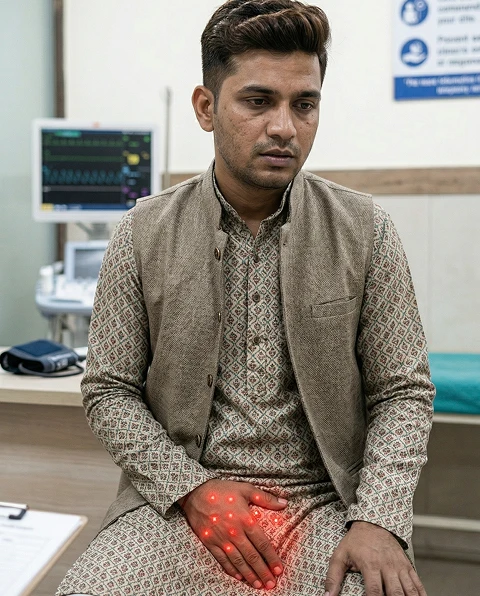
    Prolonged Painful Erection (Priapism)

    Prolonged Painful Erection (Priapism)

    Erection lasting over 4 hours unrelated to sexual stimulation — a urological emergency. Ischaemic priapism causes permanent erectile tissue damage if not treated within 4–6 hours. Call immediately.
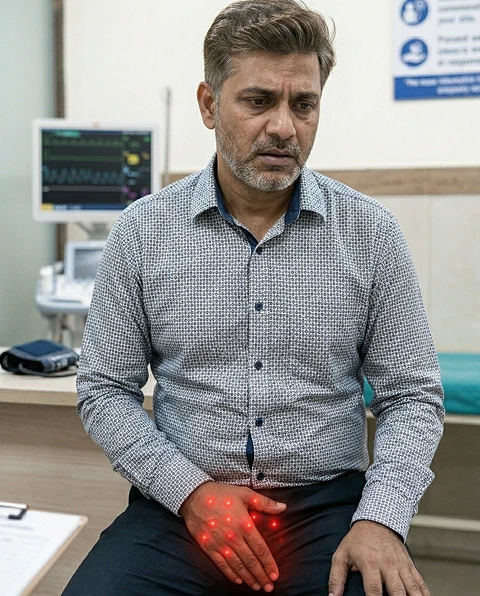
    Difficulty Achieving / Maintaining Erection

    Difficulty Achieving / Maintaining Erection

    Inconsistent erections, erections that are not firm enough for penetration, or erections lost during intercourse. Most common presentation of erectile dysfunction — evaluate cause before prescribing.
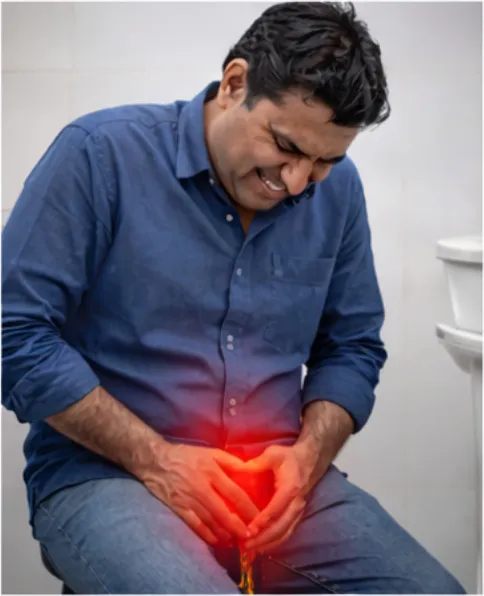
    Ejaculating Too Quickly

    Ejaculating Too Quickly

    Ejaculation within 1–2 minutes of penetration causing personal distress or relationship difficulty. Most common male sexual complaint globally — highly treatable. Do not accept this as normal if it causes distress.
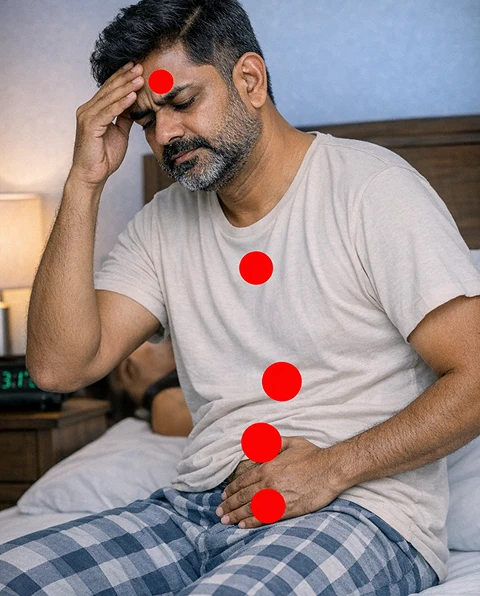
    Penile Curvature / Pain

    Penile Curvature / Pain

    Penile curvature (especially if new and progressive), painful erections or a palpable lump on the penis — classic Peyronie's disease presentation. Early treatment in the acute phase gives the best outcomes. Do not wait.
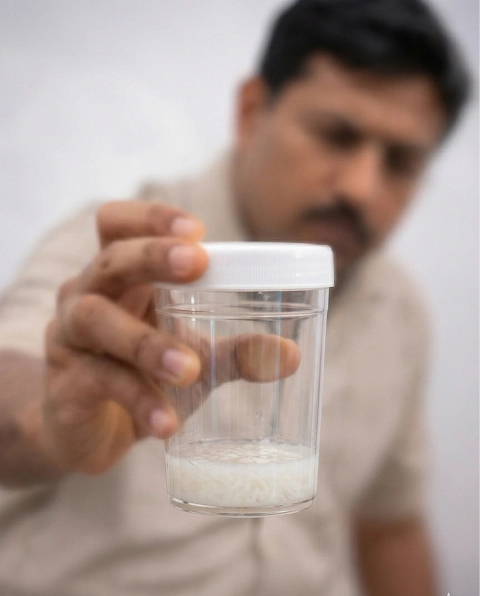
    Low Libido & Fatigue

    Low Libido & Fatigue

    Reduced or absent sexual desire combined with low energy, reduced mood and fatigue — classic low testosterone symptoms. Requires morning fasting testosterone blood test on two occasions before any treatment.

    Absent Morning Erections

    Absent Morning Erections

    Normal men have nocturnal and morning erections. Absent morning erections in a man with ED suggests an organic (vascular or hormonal) cause rather than purely psychological. Important distinguishing symptom in ED assessment.
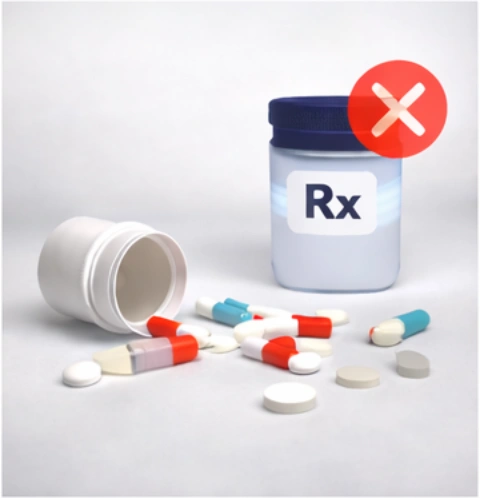
    Medication-Related Dysfunction

    Medication-Related Dysfunction

    Many common medications cause sexual dysfunction as a side effect — antidepressants (SSRIs), antihypertensives (beta-blockers, thiazides), antipsychotics, finasteride, antiandrogens. Always review your medication list before assuming a primary sexual dysfunction diagnosis.

    Treatment Pathways

    Sexual Dysfunction Treatment — Matched to Your Specific Cause

    Effective erectile dysfunction treatment in Ahmedabad is always cause-specific. A man with vascular ED, hormonal ED and performance anxiety ED all have the same symptom — but need completely different treatments. We identify the cause before prescribing.

    PDE5 Inhibitors — First-Line for Vascular ED

    Sildenafil, tadalafil, vardenafil — used correctly

    PDE5 inhibitors (sildenafil — Viagra, tadalafil — Cialis, vardenafil — Levitra) work by enhancing nitric oxide-mediated vasodilation in the corpus cavernosum — effective in 60–70% of men with vascular ED. Tadalafil 5mg daily provides continuous baseline benefit. Must be taken correctly — on empty stomach, with adequate sexual stimulation. Contraindicated with nitrates. Ineffective in very low testosterone — hormone level must be checked first.

    First-Line 60–70% Response
    Best for: Vascular and mixed-cause ED — after testosterone and cardiovascular assessment

    Testosterone Replacement Therapy (TRT)

    Gel, injection or pellet — monitored closely

    For confirmed hypogonadism (low testosterone on two morning tests with symptoms). Available as daily topical gel (AndroGel, Testogel), 3-monthly injection (testosterone undecanoate) or implantable pellets. Improves libido, energy, mood, muscle mass and ED — often dramatically. PSA, haematocrit and testosterone levels monitored at 3 months and annually. Not suitable for men who wish to remain fertile — TRT suppresses sperm production.

    Hormonal Monitored TRT
    Best for: Confirmed hypogonadism with symptoms — testosterone under 12 nmol/L on two occasions

    Low-Intensity Shockwave Therapy (Li-ESWT)

    Stimulates new blood vessel growth in penile tissue

    Li-ESWT delivers low-energy acoustic waves to penile tissue, stimulating angiogenesis (new blood vessel growth) and nerve regeneration. Evidence supports improvement in erectile function in men with mild-to-moderate vasculogenic ED, particularly those who respond poorly to PDE5 inhibitors. 6–12 sessions over 6 weeks. Non-invasive, no anaesthesia required. Considered a penile rehabilitation option — especially post-prostatectomy.

    Non-Invasive Penile Rehab
    Best for: Mild-moderate vascular ED, PDE5 inhibitor partial responders, post-prostatectomy ED rehabilitation

    Intracavernosal Injections (ICI)

    Alprostadil — highly effective, second-line

    Self-administered injection of alprostadil (prostaglandin E1) directly into the corpus cavernosum — produces a reliable erection within 5–15 minutes, lasting 30–60 minutes. Effective in 80–90% of men regardless of cause — including those who fail PDE5 inhibitors. Used as a step-up option or as a bridge to penile implant. Patient training provided at clinic. Priapism risk (erection over 4 hours) must be understood before use.

    80–90% Response Self-Administered
    Best for: PDE5 inhibitor non-responders, post-prostatectomy, neurological ED, strong reliable erection needed

    Penile Implant Surgery

    Inflatable 3-piece prosthesis — 90%+ satisfaction

    For men with ED unresponsive to all other treatments — penile implant is the definitive solution. Inflatable 3-piece implants (AMS 700, Coloplast Titan) consist of two cylinders inside the corpus cavernosum, a reservoir in the pelvis and a pump in the scrotum. Activating the pump transfers fluid from reservoir to cylinders producing a natural-feeling erection. Day-care procedure. Over 90% patient and partner satisfaction. Does not affect sensation, orgasm or ejaculation.

    Definitive 90%+ Satisfaction
    Best for: ED refractory to all medical therapy — after full medical treatment trial

    PE Treatment — SSRIs, Topical & Behavioural

    Dapoxetine, topical agents, combination therapy

    Premature ejaculation treatment is highly effective. Dapoxetine (on-demand SSRI) taken 1–3 hours before intercourse delays ejaculation 3–5 fold in clinical trials. Daily low-dose paroxetine or sertraline for lifelong PE. Topical anaesthetic sprays (lidocaine/prilocaine) reduce penile sensitivity effectively. Behavioural techniques (start-stop, squeeze method) address the psychological component. Combined pharmacological and behavioural therapy gives the best long-term outcomes.

    Highly Treatable Combination Best
    Best for: All premature ejaculation — lifelong or acquired, with or without co-existing ED
    Why Trayam

    Leading Male Sexual Health Care in Ahmedabad

    Sexual dysfunction in Ahmedabad is treated with the seriousness it deserves — proper diagnosis, cardiovascular assessment, cause-specific treatment and complete confidentiality.
    100%
    Confidential
    CV
    Risk Assessed
    Full
    Treatment Range
    90%+
    Implant Satisfaction

    ED as Cardiovascular Warning — Taken Seriously

    Every man with new-onset ED receives a full cardiovascular risk assessment — blood pressure, fasting glucose, lipid profile and testosterone. ED is not just a bedroom problem. It is frequently the first symptom of vascular disease. We treat the whole man, not just the symptom.

    Cause-Specific Diagnosis Before Any Prescription

    PDE5 inhibitors are not given without first checking testosterone. Hormonal therapy is not started without two morning fasting blood tests. We identify the cause before we prescribe — this is the difference between a treatment plan and a guess.

    Penile Implant Surgery — Full Surgical Option

    For men with ED refractory to all other treatments — we offer inflatable 3-piece penile implant surgery. This is the definitive treatment for severe ED with over 90% patient satisfaction. Patients are counselled thoroughly so expectations are realistic and outcomes are excellent.

    Peyronie's Disease — Acute & Stable Phase Treatment

    We treat both the acute phase (collagenase injections, traction therapy) and stable phase (Nesbit plication, plaque incision with grafting or penile implant) of Peyronie's disease. Early presentation in the acute phase gives the best outcomes — do not wait until surgery is the only option.

    Complete Confidentiality — Always

    Sexual health consultations at Trayam are completely private. No records shared without your consent. Separate waiting areas available. Many men wait years to seek help due to embarrassment — our consultations are designed to be straightforward, non-judgemental and practical.

    Insurance-Covered Procedures

    Investigations (hormonal blood tests, penile Doppler) and surgical procedures (penile implant, Peyronie's surgical correction) are covered by most Indian health insurance policies. Oral medications (PDE5 inhibitors) are generally not covered. Trayam is empanelled with all major insurers.

    Expert Care

    Meet Your Sexual Health Specialist

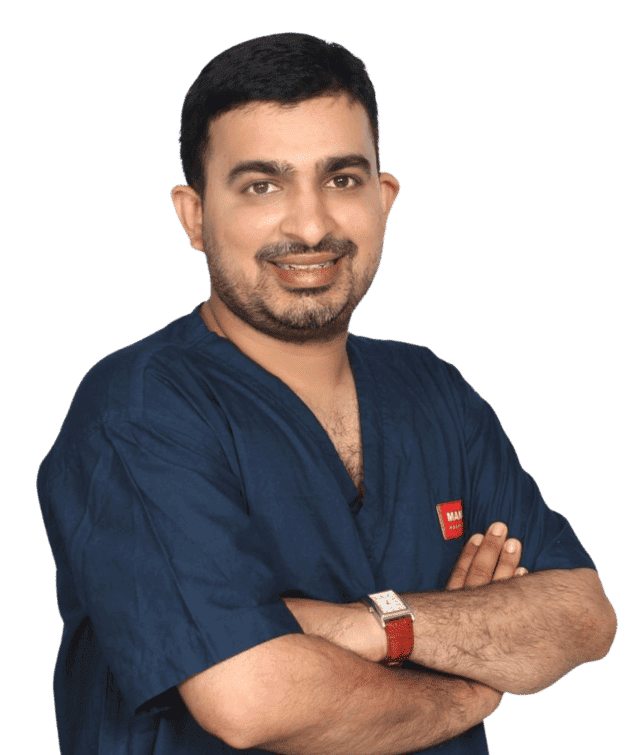
    Dr. Renish Patel — Trayam Hospital
    MCh Urology Sexual Medicine Penile Implant Peyronie's 10+ Yrs Exp

    Dr. Renish Patel

    Senior Consultant Urologist & Male Sexual Health Specialist — Trayam Hospital

    Dr.Renish Patel manages the full spectrum of male sexual dysfunction — from straightforward ED requiring correct PDE5 inhibitor optimisation through to complex penile implant surgery, Peyronie's disease correction and hormonal management. All consultations are conducted with complete confidentiality. The first priority is always to identify the specific cause — vascular, hormonal, neurological or psychological — before any treatment is recommended.

    • MCh Urology
    • Sexual Medicine & Andrology Training
    • Penile Implant Surgery Certification
    • Published outcomes in ED treatment and penile rehabilitation
    • Speaker — Urological Society of India & Andrology Society Conferences
    A Common Problem in ED Treatment

    PDE5 Inhibitor Prescribed Without Checking Testosterone or Cardiovascular Risk?

    Erectile dysfunction is one of the most common conditions in men — and one of the most commonly mismanaged. Many men receive a PDE5 inhibitor prescription after a 5-minute consultation without a hormonal blood test, without a blood pressure check, without a cardiovascular risk assessment. This misses both the underlying cause of the ED and a significant opportunity to prevent a cardiac event.

    • PDE5 inhibitor prescribed without testosterone checked — sildenafil and tadalafil are ineffective when testosterone is low. A man with hypogonadal ED will not respond to PDE5 inhibitors until his testosterone is corrected. Prescribing without checking is the commonest reason men report that "Viagra doesn't work for me."
    • ED in a man under 50 not investigated for cardiovascular risk — ED under 50 is a recognised early marker of vascular disease. A prescription without blood pressure measurement, fasting glucose and lipid profile misses a potentially life-saving opportunity for cardiovascular intervention 2–5 years before a cardiac event.
    • Peyronie's disease in acute phase told to "wait and see — Peyronie's disease treated in the acute phase (first 12 months) with collagenase injections and traction therapy has significantly better outcomes than waiting until the plaque is stable and surgery is the only option. Early presentation is an opportunity — not a reason to defer.
    • Azoospermia from TRT not warned about — testosterone replacement therapy suppresses sperm production and causes azoospermia. Men of reproductive age who are prescribed TRT without being informed of this risk, and without discussing sperm banking, may lose their fertility window without realising it. This conversation must happen before TRT is started.
    The Trayam Sexual Health Promise Testosterone and cardiovascular risk assessed before every ED prescription. Peyronie's treated in the phase that gives the best outcome. Fertility implications of TRT always discussed. Complete confidentiality guaranteed.

    Cardiovascular Assessment Before ED Prescription

    Blood pressure, fasting glucose, lipid profile and testosterone are checked before any PDE5 inhibitor is prescribed. ED is a vascular symptom — its cause and cardiovascular implications must be assessed, not ignored.

    Testosterone Checked — Always

    Testosterone is measured before starting any ED treatment. Low testosterone makes PDE5 inhibitors ineffective and requires a completely different treatment approach. This one test prevents the most common cause of treatment failure.

    Complete Privacy — No Exceptions

    Sexual health consultations are fully confidential. Separate appointments, private consultation rooms, no information shared without consent. Many men wait years — we make it straightforward to seek help early.

    Struggling with ED, PE or low testosterone?
    All consultations are completely confidential. Bring any previous investigations or medication lists if you have them — we’ll do the rest.

    Confidential  ·  No Obligation  ·  Reply in 2 Hours

    Supporting Sexual Health

    How to Protect & Improve Sexual Function

    Most risk factors for erectile dysfunction and sexual health decline are modifiable with timely erectile dysfunction treatment in Ahmedabad and lifestyle changes. The same lifestyle changes that protect cardiovascular health protect erectile function. Start now — it takes 3–6 months to see measurable improvement.

    Treat Cardiovascular Risk Factors

    Hypertension, diabetes, high cholesterol and obesity are the four most powerful risk factors for vascular ED. Achieving blood pressure under 130/80, HbA1c under 7%, LDL under 2.6mmol/L and BMI under 25 improves erectile function measurably. Managing these is treatment for ED — not just general health advice.

    ❤️ Vascular health = erectile health

    Stop Smoking

    Smoking accelerates penile arterial atherosclerosis — the most direct vascular cause of ED. Men who smoke have double the risk of ED compared to non-smokers. Stopping smoking improves erectile function within 6–12 months in men under 50. The earlier smoking stops, the better the recovery.

    🚭 Single biggest modifiable risk

    Limit Alcohol

    Chronic heavy alcohol consumption reduces testosterone production, causes peripheral neuropathy and directly impairs erectile function. Moderate alcohol (under 14 units per week) has minimal impact. Heavy regular drinking is associated with both ED and PE. Reducing alcohol intake improves sexual function within weeks to months.

    🍷 Under 14 units/week

    Regular Aerobic Exercise

    150 minutes of moderate aerobic exercise per week improves endothelial function, reduces cardiovascular risk and increases testosterone levels — all benefiting erectile function. Resistance training also raises testosterone. Exercise is one of the most evidence-based treatments for mild-moderate ED, improving function equivalent to one PDE5 inhibitor dose in clinical trials.

    🏃 150 min/week aerobic

    Address Stress, Anxiety & Relationship Issues

    Chronic psychological stress increases cortisol and reduces testosterone. Performance anxiety is a self-perpetuating cycle — one episode of ED causing anxiety leading to further ED. Cognitive behavioural therapy, mindfulness and sex therapy break this cycle effectively. Do not dismiss psychological causes — they are real, common and treatable.

    🧠 Psychological causes are treatable

    Review Your Medications

    Many common medications impair sexual function — antihypertensives (beta-blockers, thiazides), antidepressants (SSRIs, tricyclics), antipsychotics, finasteride, spironolactone. If you developed ED after starting a new medication, discuss alternatives with your prescribing doctor. A medication review at Trayam can identify whether your treatment is contributing to sexual dysfunction.

    💊 Medication review often overlooked
    Patient Stories

    What Our Patients Say

    ED Resolved — Cardiovascular Risk Caught Early
    "I came in for ED — I expected a Viagra prescription and to be sent on my way. Instead, Dr. Renish Patel checked my blood pressure (it was very high), my fasting glucose (borderline diabetic) and my testosterone (low). He addressed all three. The ED resolved and my cardiologist told me we may have caught vascular disease before a serious event. I had no idea ED could be a warning sign."
    Arvindkumar S.
    ED + Hypertension + Borderline Diabetes · Age 48 · Ahmedabad
    Penile Implant — Life-Changing Result
    "I had severe ED for 6 years after prostate surgery. I had tried everything — tablets, injections, vacuum device. Nothing gave me back what I had lost. A 3-piece penile implant at Trayam was the best decision I ever made. The procedure was explained in complete detail, recovery was smooth and the result has genuinely transformed my quality of life and my marriage. I wish I had not waited so long."
    Mahendrabhai K.
    Post-Prostatectomy ED · Inflatable Penile Implant · Age 62 · Surat
    Peyronie's — Treated in Acute Phase
    "I noticed a curve developing and pain during erections. My GP told me to wait and see. A friend told me to get a second opinion quickly. At Trayam, Dr. Renish Patel explained that treating early with injections and traction gave much better outcomes than waiting. After 6 months of treatment the curve had reduced significantly and pain had gone. I am very glad I did not follow the wait-and-see advice."
    Prakashbhai D.
    Peyronie's Disease · Acute Phase Collagenase + Traction · Age 44 · Vadodara
    Common Questions

    Frequently Asked Questions

    Yes — ED is a recognised early warning sign of cardiovascular disease. The penile arteries are smaller than coronary arteries and develop atherosclerosis earlier, meaning ED often precedes a heart attack or stroke by 2–5 years. Any man with new onset ED should have a full cardiovascular risk assessment — not just a prescription for PDE5 inhibitors.

    PDE5 inhibitors are effective in 60–70% of men with ED. They are less effective in men with severe vascular disease, uncontrolled diabetes, post-prostatectomy nerve damage or very low testosterone. For non-responders — low-intensity shockwave therapy, intracavernosal injections, vacuum devices or penile implants are effective next-line options.

    Peyronie’s disease is fibrous plaque inside the penis causing painful erections, curvature and in severe cases — inability to have intercourse. In the acute phase (under 12 months), collagenase injections and traction therapy are effective. In the stable phase, surgical correction (Nesbit, grafting or penile implant) gives excellent outcomes.

    A penile implant is a surgically placed device enabling erection on demand. Inflatable 3-piece implants are most natural — a scrotum pump inflates two penile cylinders. Indicated for ED unresponsive to oral medication, injections or vacuum devices. Patient satisfaction exceeds 90%.

    On-demand dapoxetine (SSRI) is the most effective pharmacological option — delaying ejaculation 3–5 fold. Daily low-dose paroxetine or sertraline for lifelong PE. Topical anaesthetic sprays and behavioural techniques (start-stop, squeeze) are effective first-line options. Combined approach gives the best long-term outcomes.

    Reduced libido, erectile dysfunction, fatigue, reduced muscle mass, increased body fat, mood changes, reduced beard/body hair, gynaecomastia and reduced semen volume. Diagnosis requires morning fasting testosterone on two occasions. Treatment with TRT shows significant improvement within 4–8 weeks.

    TRT is safe when properly monitored. PSA, haematocrit, liver function and cardiovascular risk are assessed before starting. TRT is not suitable for men wishing to remain fertile (suppresses sperm production), men with prostate cancer or significant cardiovascular disease. Annual monitoring is essential.

    Yes — performance anxiety, depression, relationship issues and stress are common causes, particularly in younger men. Distinguished from organic ED by presence of normal morning erections and situational pattern. CBT, sex therapy and PDE5 inhibitors as a confidence-builder are effective. Organic and psychological causes frequently coexist.

    Investigations and surgical procedures (penile implant, Peyronie’s correction) are covered by most Indian health insurance policies. Oral medications (PDE5 inhibitors) are generally not covered. Trayam is empanelled with all major insurers.

    ED affects 40% of men at 40 and 70% at 70. But ED is not inevitable with ageing — it is a symptom requiring evaluation. In men under 40, psychological and lifestyle causes predominate. In men over 50, vascular and hormonal causes are more common. Any age of onset warrants proper assessment.

    ED, PE or Low Testosterone? Get a Proper Assessment — Not Just a Prescription.

    All consultations are completely confidential. Bring any investigations or medication lists — or we start fresh. Cause-specific treatment, cardiovascular risk assessed, complete privacy guaranteed.

    Chat on WhatsApp