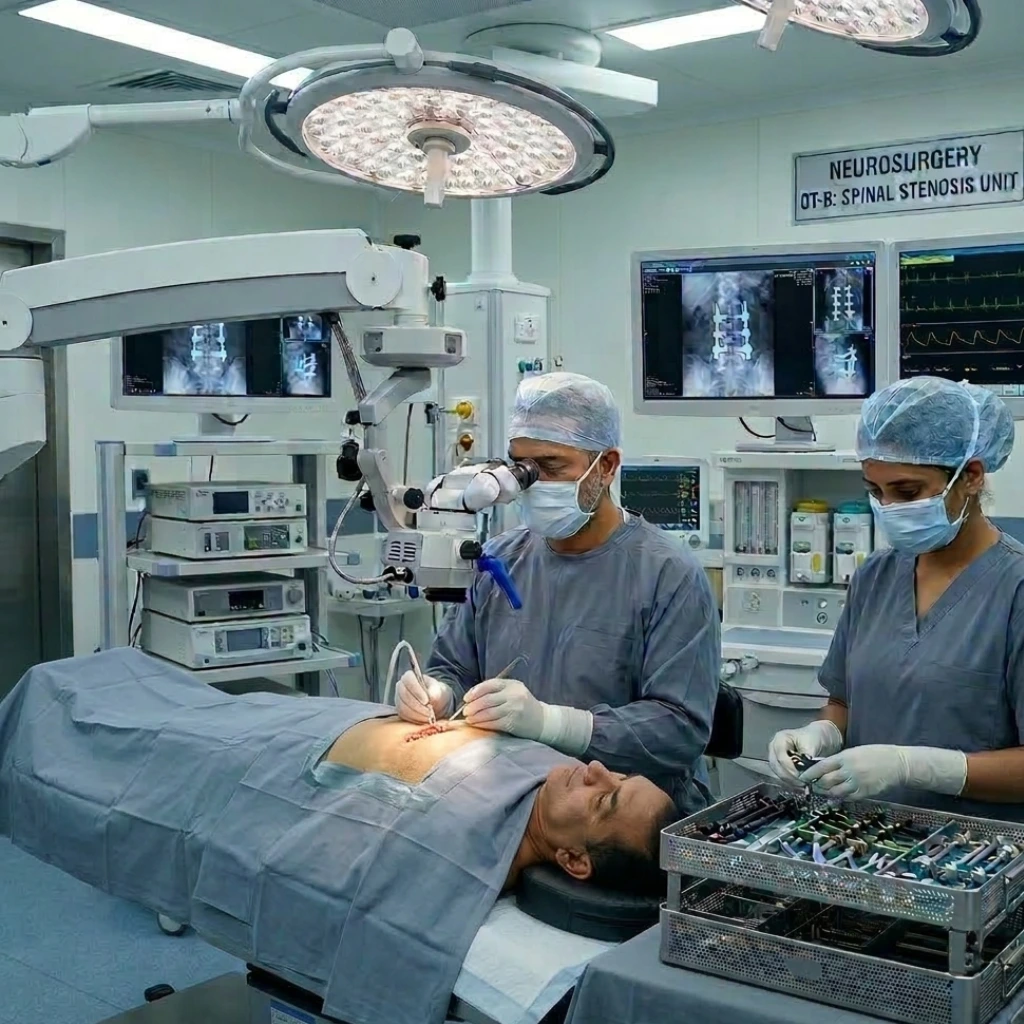
Spinal Stenosis & Claudication Specialists

Spinal Stenosis Treatment — Walk Farther, Hurt Less. Right Care for Your Severity.

Spinal stenosis treatment in Ahmedabad focuses on restoring your walking ability and reducing leg pain caused by nerve compression within a narrowed spinal canal. From targeted physiotherapy to same-day UBE decompression through two 8mm portals, we match treatment precisely to your severity level.

85%
Walking Restored
UBE
8mm Access Surgery
1 Day
Discharge
2–3
Weeks to Activity
Walking Distance Restored
Insurance Cashless
UBE Biportal Endoscopy
24/7 Emergency

Book a Stenosis Consultation

Tell us how far you can walk — we'll help

Can't walk 50 metres? Call us — urgent assessment available.

    100% confidential & no obligation

    Spinal Canal Narrowing
    What Is Spinal Stenosis?

    Understanding Spinal Canal Narrowing

    Spinal stenosis treatment begins with understanding how the narrowing of the spinal canal compresses the nerves and affects walking ability. As the canal narrows — from bone spurs, thickened ligaments, disc bulges or a combination of all three — the nerves inside are compressed. The result is the characteristic pattern of back and buttock ache and leg pain or cramps that come on after walking a limited distance and are relieved when you sit or bend forward.

    The condition is most common in people over 50 and is fundamentally caused by the wear-and-tear changes of ageing. The good news: with the right spinal stenosis treatment plan, most patients can regain walking distance and improve quality of life with or without surgery.

    The shopping trolley sign — being able to walk farther leaning on a trolley — is the classic diagnostic indicator
    Mild to moderate stenosis responds well to flexion-based physiotherapy and epidural injections
    Surgery (UBE or microscopic decompression) reserved for significant walking limitation unresponsive to conservative care
    UBE biportal endoscopic decompression — two 8mm portals, 24hr discharge, walk the same day
    Most stenosis does not require fusion — decompression alone restores walking in the majority
    Types of Stenosis

    Where Can the Spinal Canal Narrow?

    Central Canal Stenosis
    CENT
    Central Canal Stenosis

    Central Canal Stenosis

    Narrowing of the main spinal canal compresses the cauda equina nerve bundle. Causes bilateral leg heaviness, neurogenic claudication and the classic walking limitation pattern. Most common at L4-L5 and L3-L4 levels.

    Neurogenic Claudication
    Lateral Recess Stenosis
    LAT
    One-Sided

    Lateral Recess Stenosis

    Narrowing of the lateral recess compresses a single nerve root before it enters the foramen. Causes one-sided leg pain and numbness similar to disc herniation — but constant rather than related to specific movement. May occur with or without disc herniation.

    One-Side Leg Pain
    Foraminal Stenosis
    FORAM
    Nerve Exit

    Foraminal Stenosis

    The tunnel through which a nerve exits the spine narrows from bone spurs or disc collapse. Causes constant radiating leg pain in a specific dermatomal distribution. Often responds well to endoscopic foraminotomy — widening the tunnel through an 8mm portal.

    Radiating Leg Pain
    Multi-Level Stenosis
    MULTI
    Two+ Levels

    Multi-Level Stenosis

    Stenosis affecting two or more adjacent spinal levels — the most common pattern in older patients. Causes more severe walking limitation than single-level disease. UBE biportal endoscopy can decompress multiple levels through the same two 8mm portals in experienced hands.

    More Severe Claudication
    Know Your Severity

    Stenosis Severity Levels — Which Level Are You?

    A spine stenosis specialist evaluates severity based on walking distance, symptom impact and neurological findings. Your severity level determines whether physiotherapy, injections, or surgery is the right next step — and which surgical technique is most appropriate.

    Mild 500m+ Walking

    Mild Stenosis

    Walking distance over 500 metres. Symptoms manageable — back ache and leg heaviness present but daily activities largely preserved. No significant neurological signs. MRI shows moderate canal narrowing.

    Physio & Injections
    Moderate 100–500m Walking

    Moderate Stenosis

    Walking limited to 100–500 metres before pain forces rest. Significant quality-of-life impact — shopping, social activities and independence affected. May have mild neurological signs. Conservative care first; UBE surgery if fails 8–12 weeks.

    Physio then UBE
    Severe <100m Walking

    Severe Stenosis

    Walking under 100 metres — sometimes barely 10–20 metres before the legs give out. Neurological signs may be present. Severely restricted independence. Conservative care rarely sufficient; UBE or laminectomy decompression is usually the most appropriate treatment.

    Surgery Recommended

    Not sure of your severity level? WhatsApp your MRI and tell us how far you can walk — our surgeon will assess your stenosis severity and recommend the right treatment pathway within 2 hours.

    Recognise Your Symptoms

    Spinal Stenosis Symptoms — Do You Recognise These?

    Stenosis has a characteristic symptom pattern that distinguishes it from simple back pain and disc herniation. If several of these sound familiar, spinal stenosis is the likely diagnosis.
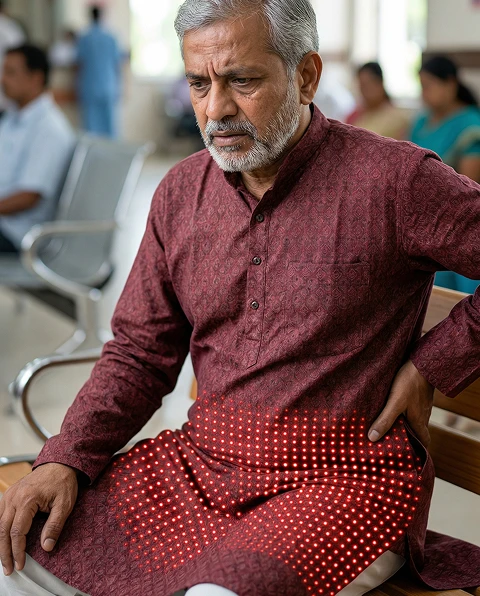
    Bladder / Bowel Loss

    Bladder / Bowel Loss

    Sudden loss of bladder or bowel control or retention with leg weakness — stenosis causing acute cauda equina compression is a surgical emergency requiring same-day decompression.

    Active Lifestyle Affected

    Walking Stops You Cold

    Leg cramp, heaviness or pain that forces you to stop after a predictable distance — the defining symptom of neurogenic claudication from spinal stenosis. Relieved by sitting or bending forward.
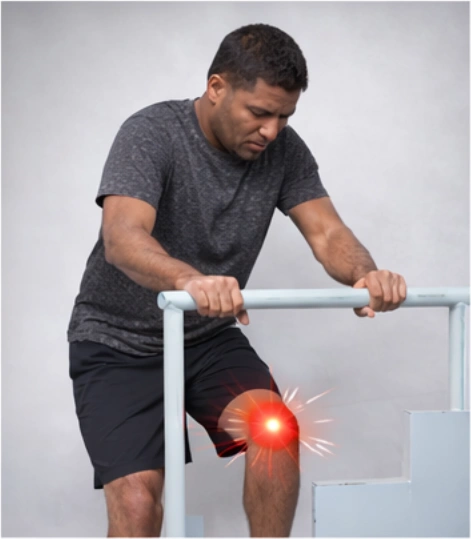
    Shopping Trolley Sign

    Shopping Trolley Sign

    Able to walk farther when leaning forward on a shopping trolley or walking frame — because forward flexion widens the spinal canal. A strongly positive shopping trolley sign is almost diagnostic of lumbar stenosis.
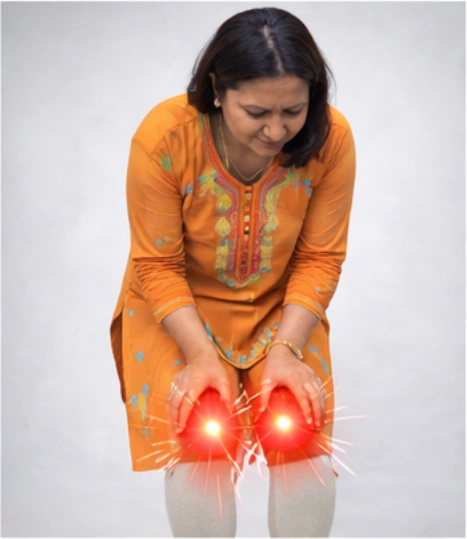
    Both Legs Heavy & Aching

    Both Legs Heavy & Aching

    Bilateral leg heaviness, aching and fatigue when walking or standing — characteristic of central canal stenosis affecting the cauda equina. Often described as the legs "filling up" with cement after a few minutes of walking.
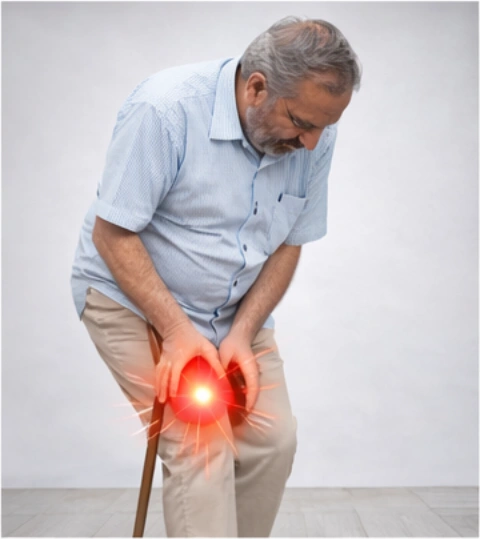
    Pain Standing, Relief Sitting

    Pain Standing, Relief Sitting

    Pain and heaviness when standing or walking that relieves when you sit down or bend forward — the postural pattern that distinguishes neurogenic claudication (stenosis) from vascular claudication (artery disease)
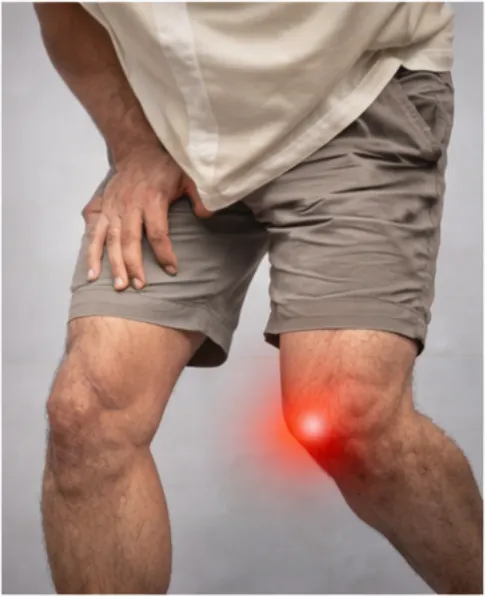
    Worse Going Downstairs

    Worse Going Downstairs

    Walking downhill or descending stairs is worse than going uphill — because leaning back (extension) narrows the canal further. Uphill walking (which involves forward flexion) is often surprisingly comfortable.
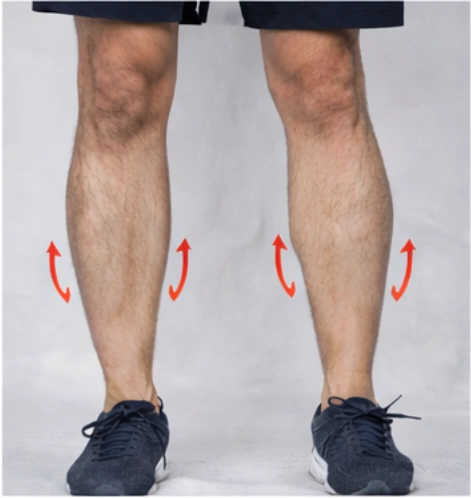
    Leg Numbness & Tingling

    Leg Numbness & Tingling

    Pins and needles, numbness or burning in the thighs, calves or feet — especially when walking. May affect both sides. Indicates nerve root compression within the narrowed canal.
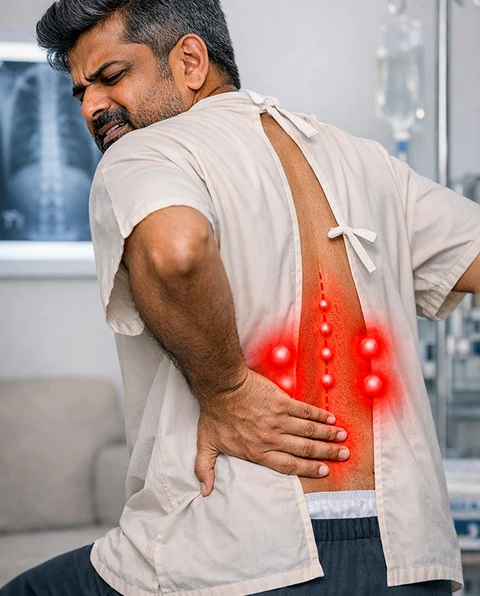
    Chronic Low Back Ache

    Chronic Low Back Ache

    Persistent lower back ache and stiffness — especially in the morning or after prolonged standing. Often accompanies the walking limitation but may be less prominent than the leg symptoms in pure stenosis.

    Treatment Options

    Spinal Stenosis Treatments — Matched to Your Severity

    Treatment follows a clear severity-matched protocol: conservative care for mild-moderate, minimally invasive UBE decompression for moderate-severe unresponsive to conservative, open laminectomy for complex multilevel cases.

    Flexion-Based Physiotherapy

    First-line for mild and moderate

    A specific flexion-biased physiotherapy programme teaches the spine to maintain a forward-flexed posture that naturally widens the canal. Core strengthening, aquatic therapy and a progressive walking programme are key components. For mild stenosis this is highly effective. For moderate stenosis it provides meaningful but incomplete relief in many patients.

    Mild — First Line Moderate — 8–12 Wks
    Best for: Mild stenosis (definitive); moderate stenosis (before surgery); all severity as adjunct

    Epidural Steroid Injections

    Targeted canal anti-inflammation

    Fluoroscopy-guided epidural injections deliver steroid directly into the narrowed canal around the compressed nerve roots. Reduces inflammatory oedema within the stenotic segment, providing a window of improved function that allows physiotherapy to be performed more effectively. Benefits typically last 2–6 months and can be repeated.

    Mild–Moderate Adjunct X-Ray Guided
    Best for: Moderate stenosis with significant inflammatory component; mild stenosis not responding to physio alone

    UBE — Biportal Endoscopic Decompression

    Two 8mm portals, 24hr discharge

    Unilateral Biportal Endoscopy uses two 8mm portals — one for the HD camera, one for instruments — to perform a full bilateral canal decompression from one side. The thickened ligamentum flavum and compressing bone are removed under direct endoscopic vision without opening the back. Walk same day. Discharge in 24–48 hours. Activity at 2–3 weeks.

    Moderate–Severe 24hr Discharge
    Best for: Moderate–severe stenosis (1–2 levels) unresponsive to 8–12 weeks conservative care; no significant instability

    Microscopic Tubular Laminotomy

    2cm incision, single-level decompression

    A 2cm incision allows a tubular retractor and surgical microscope to decompress the canal from one or both sides. Removes the compressing lamina and ligament under direct magnified vision. Provides excellent decompression for patients whose anatomy is less suited to UBE, or as an alternative for single-level disease. 24–48 hour discharge. Return to activities in 3–4 weeks.

    Moderate–Severe Alt. Complex Anatomy
    Best for: Single-level stenosis with anatomy less suited to UBE; patients requiring direct microscopic visualisation

    Open Laminectomy ± Stabilisation

    Severe multilevel or with instability

    Open laminectomy removes the entire lamina at one or more levels through a midline incision. Reserved for severe multilevel stenosis not addressable endoscopically, or when significant spondylolisthesis (vertebral slippage) requires fusion stabilisation alongside decompression. 3–5 day stay. Recovery 6–12 weeks.

    Severe Multilevel With Instability
    Best for: Severe multilevel stenosis (>3 levels); stenosis with spondylolisthesis requiring fusion; revision cases.

    Decompression + Fusion

    When stenosis has instability

    When stenosis co-exists with spondylolisthesis (vertebral slippage) or significant instability on flexion-extension X-rays, decompression alone may worsen instability. MIS-TLIF fusion through a 2cm incision stabilises the affected level while simultaneously decompressing the nerves — restoring walking and preventing progressive slippage. Performed only when genuinely required.

    Instability Present Spondylolisthesis
    Best for: Stenosis with Grade 1–2 spondylolisthesis; dynamic instability on flexion-extension X-rays
    Why Trayam Spine

    Spinal Stenosis Treatment in Ahmedabad — Walk More. Hurt Less. Stay Active.

    Choosing the right spine stenosis specialist in Ahmedabad ensures access to both conservative care and minimally invasive decompression based on your severity.

    85%
    Walking Restored
    UBE
    8mm Decompression
    2000+
    Stenosis Cases
    24/7
    Emergency

    UBE Biportal Endoscopy — 8mm Access

    Our spine team is trained in UBE — the most minimally invasive surgical decompression for spinal stenosis. Two 8mm portals, same-day walking, 24hr discharge. Most older patients tolerate UBE decompression far better than open laminectomy.

    Severity-Matched Treatment — No Over-Treatment

    Mild stenosis does not need surgery. Moderate stenosis needs a full conservative trial first. We follow a severity-matched protocol — physiotherapy and injections are given every chance before any surgical option is considered.

    Walking Distance as the Outcome Measure

    We measure success in metres walked, not just scan appearances. Your walking distance before and after treatment is our primary measure of clinical improvement. The goal is always to restore meaningful independence of mobility.

    Specialist Care for Older Patients

    Spinal stenosis predominantly affects patients in their 50s–70s, many with cardiovascular or metabolic comorbidities. UBE's avoidance of general anaesthesia and its minimal physiological stress make it particularly appropriate for this patient group.

    Fusion Only When Genuinely Needed

    Fusion surgery is only recommended when stenosis is accompanied by demonstrated instability or spondylolisthesis. Pure stenosis without instability is treated with decompression alone — adding fusion to every stenosis case is not justified and increases risk.

    24/7 Emergency Cover

    Acute cauda equina syndrome from severe stenosis or acute stenosis worsening is a surgical emergency. Our spine team is available 24 hours a day, 7 days a week to assess and operate when urgent decompression is needed.

    Expert Care

    Meet Your Spinal Stenosis Specialist

    Dr. Parth Patel
    MS Orthopaedics MCh Spine Surgery MISS Fellowship 14+ Yrs Exp.

    Dr. Parth Patel

    Senior Consultant Spine Surgeon — Stenosis & Minimally Invasive Decompression

    Dr. Parth Patel has treated over 2,000 spinal stenosis cases across all severity levels — from mild stenosis managed with a structured physiotherapy protocol to severe multi-level cases requiring open decompression with fusion. The approach is always severity-matched: no premature surgery, no unnecessary fusion, and always the least invasive decompression technique that achieves the walking restoration the patient needs.

    MCh / DNB Spine Surgery
    Fellowship in Minimally Invasive Spine Surgery
    Advanced Training in Endoscopic & Navigated Spine Surgery
    Published research in minimally invasive spine surgical outcomes
    Speaker at Spine Society of India & AO Spine conferences
    What Patients Are Often Not Told

    Advised Fusion for Stenosis When Decompression Alone Is Enough?

    Spinal stenosis is one of the most overtreated conditions in spine surgery — both in terms of adding unnecessary fusion and recommending open surgery when minimally invasive decompression would achieve the same walking restoration. These are the red flags to know.

    Fusion recommended for pure stenosis without instability — most stenosis without spondylolisthesis or dynamic instability on flexion-extension X-rays is treated with decompression alone. Fusion adds significant surgical risk, recovery time and cost. If fusion is recommended, ask specifically whether instability has been demonstrated on standing flexion-extension X-rays.
    Open laminectomy recommended without exploring UBE — for 1–2 level stenosis without instability, UBE biportal endoscopic decompression achieves equivalent canal widening through two 8mm portals. A large midline open incision for single-level stenosis in an older patient carries unnecessary risk and prolonged recovery.
    Surgery recommended for mild stenosis found incidentally on MRI — stenosis severity is clinical, not radiological. Many MRIs show significant canal narrowing in patients with minimal symptoms. The indication for surgery is your walking distance and quality of life — not the scan appearance alone.
    No mention of physiotherapy or injection trial before surgery — unless walking is severely restricted or neurological signs are progressing, a structured conservative programme should be attempted for 8–12 weeks before surgical options are discussed. Conservative care genuinely helps most mild and some moderate stenosis patients.
    The Trayam Stenosis Promise We grade your severity, give conservative care every chance, and recommend UBE over open surgery wherever safely possible — because less is more.

    Walking Distance Assessment at Every Visit

    We measure your actual walking distance at every consultation — using a structured timed walking test. This gives an objective baseline for treatment decisions and tracks improvement over time. Scans inform us; walking distance guides us.

    Fusion Only When X-Rays Show Instability

    Before recommending any fusion, we obtain standing flexion-extension X-rays to formally assess spinal stability. Fusion is only added when these X-rays demonstrate dynamic instability or spondylolisthesis — never as a precautionary routine addition to decompression.

    UBE Before Open — Every Appropriate Patient

    For every 1–2 level stenosis case suitable for UBE, we perform UBE over open surgery. The physiological stress, blood loss, hospital stay and recovery are all dramatically less — with equivalent decompression quality. This matters enormously for our older patient population.

    Get your stenosis severity assessed honestly bring your MRI and tell us your walking distance. We'll tell you exactly where you sit on the treatment pathway and what the right next step is.

    After Treatment

    Recovery After Stenosis Decompression

    UBE decompression recovery is designed around one goal — restoring your walking independence as quickly and safely as possible.

    Walk Same Day — Short Laps First

    UBE decompression patients begin walking around the ward the same day of surgery — typically 3–4 hours post-procedure. Short laps of 20–30 metres are started immediately, gradually increasing over the first 48 hours before discharge home.

    🚶 Walk same day

    Home in 24–48 Hours

    Most UBE decompression patients discharge 24–48 hours post-surgery once walking safely. A walking frame or stick may be used initially for confidence. A written home exercise programme is provided at discharge.

    🏠 Discharge 24–48 hours

    Progressive Walking Programme

    A structured progressive walking programme starts immediately post-discharge — beginning at 100–200 metres three times daily, increasing by 10–15% each week. Walking is the best physiotherapy for stenosis recovery and nerve function restoration.

    📏 Increase by 10% weekly

    Core Strengthening from Week 2

    Gentle core activation exercises begin at 1–2 weeks post-surgery. Aquatic physiotherapy is particularly well tolerated in this age group. Full structured physiotherapy programme at 3 weeks — focusing on lumbar stabilisation and posture.

    💪 Physio week 2

    Activities & Return to Function

    Daily household activities at 1–2 weeks. Driving at 2–3 weeks once pain-free. Light shopping and social activities at 2–3 weeks. Return to full walking without restriction at 4–6 weeks as nerve recovery continues. Physical labour at 8–12 weeks.

    🛒 Shopping at 2–3 weeks

    Follow-up & Walking Test

    Wound review at 7–10 days. Formal timed walking assessment at 6 weeks. MRI at 3–6 months to confirm decompression quality. Most patients continue to improve walking capacity for 6–12 months as nerve function progressively recovers.

    📅 Walk assessment at 6 weeksfas
    Patient Stories

    What Our Stenosis Patients Say

    ★★★★★
    UBE Decompression L4-L5 — From 50m to Unlimited

    "I was walking only 40 metres before my legs would give out. I stopped going to the market, stopped visiting my grandchildren. Three hospitals told me I needed major open surgery with rods and screws. Dr. Parth Patel assessed me, said I had pure stenosis without instability and needed UBE decompression — no fusion, two small portals. I walked around the ward the same evening. Six weeks later I walked 3 kilometres on the beach on holiday. I still get emotional thinking about it."

    S
    Sunita R.
    Severe L4-L5 Stenosis, UBE Decompression • Age 67 • Ahmedabad
    ★★★★★
    Moderate Stenosis — Resolved with Physio + Injections

    "I had been told I needed a spine operation for my stenosis. I came to Trayam for a second opinion. Dr. Parth Patel graded it as moderate, and put me on a 10-week flexion physiotherapy programme with two epidural injections. I can now walk 700 metres without stopping. One year later I am still managing well with physio maintenance and have not needed surgery. I am so grateful for the honest advice."

    K
    Kantibhai P.
    Moderate L3-L4 Stenosis, Conservative Success • Age 61 • Surat
    ★★★★★
    Multi-Level UBE — Back to Walking Daily at 72

    "At 72 years old, I had stenosis at L3-L4 and L4-L5. My cardiologist said open surgery was too risky with my heart condition. Dr. Parth Patel performed UBE decompression at both levels under spinal anaesthesia — no general anaesthesia at all. I was home in two days. My cardiologist was amazed at how little physiological stress the procedure caused. I walk 1 kilometre every morning now. This surgery gave me my independence back."

    M
    Meenaben S.
    Multi-Level L3-L5 Stenosis, UBE (No GA) • Age 72 • Vadodara
    Common Questions

    Frequently Asked Questions

    Spinal stenosis is a narrowing of the bony canal that houses the spinal cord and nerve roots. As the canal narrows from age-related bone spurs, thickened ligaments and disc bulges, the nerves inside are compressed. Walking and standing upright narrow the canal further — compressing the nerves and causing leg pain, cramp and heaviness. Sitting or bending forward widens the canal, relieving the pressure and the symptoms. This is why stenosis patients can typically walk farther with a trolley (forward-leaning) than without.

    Neurogenic claudication is the pattern of leg pain, cramp and heaviness that comes on after walking a set distance and relieves when you sit or bend forward — caused by nerve compression in a stenotic spinal canal. Key distinguishing features: relief specifically requires sitting or forward flexion (not just stopping); symptoms may affect both legs; going downhill is often worse than uphill; the shopping trolley sign is positive (you can walk farther leaning on a trolley). If this pattern sounds familiar, spinal stenosis is the likely diagnosis — an MRI will confirm it.

    Yes — mild to moderate stenosis can often be managed effectively without surgery. Flexion-based physiotherapy, epidural steroid injections and activity modification can significantly improve walking distance and quality of life for many patients. However, stenosis is a structural narrowing that conservative treatment manages rather than cures. If your walking distance is severely restricted or neurological signs are developing, surgery offers the most reliable and durable walking restoration.

    UBE (Unilateral Biportal Endoscopy) uses two 8mm portals — one for a HD camera and one for instruments — to decompress the spinal canal from both sides without opening the back. Compared to open laminectomy: no large incision, no muscle stripping, minimal blood loss, same-day walking, 24–48hr discharge, 2–3 week return to activity (vs 6–12 weeks for open). For older patients with cardiac or respiratory conditions, UBE’s ability to be performed under spinal rather than general anaesthesia is a major safety advantage. Clinical decompression quality is equivalent to open surgery.

    No — most stenosis patients do not need fusion. Fusion is only indicated when stenosis is accompanied by significant spinal instability or spondylolisthesis (one vertebra slipping on another), demonstrated on standing flexion-extension X-rays. Pure stenosis without instability is treated with decompression alone — UBE, microscopic laminotomy or open laminectomy. Adding fusion unnecessarily to every stenosis decompression significantly increases surgical risk, blood loss, operating time and recovery — without improving walking outcomes in stable spines.

    Minimally invasive approaches — particularly UBE — are designed with older patients in mind. UBE can often be performed under spinal anaesthesia rather than general anaesthesia, which is a significant safety advantage for patients with cardiac, respiratory or metabolic conditions. Blood loss is minimal, the physiological stress is dramatically lower than open surgery, and same-day walking reduces the complications of immobility. Most patients in their 60s and 70s tolerate UBE decompression very well, with rapid return to independent walking.

    Decompression surgery provides significant and durable walking improvement in 80–85% of patients at 5 years. The remaining 15–20% may develop recurrent symptoms from adjacent segment degeneration or scar formation. Post-operative physiotherapy and core strengthening help maintain the surgical result. If symptoms recur years later, revision endoscopic or open decompression is possible.

    The shopping trolley sign (or “positive flexion relief”) is when a patient with spinal stenosis can walk significantly farther leaning forward on a shopping trolley or walking frame than they can walking upright. This is because leaning forward (spinal flexion) widens the spinal canal, providing temporary relief to the compressed nerves inside. A positive shopping trolley sign is strongly indicative of neurogenic claudication from spinal stenosis, and helps distinguish it from vascular claudication (which is relieved simply by stopping, not specifically by flexing).

    Yes — spinal stenosis treatment including physiotherapy, epidural injections, UBE decompression, microscopic laminotomy, open laminectomy and fusion is covered by most Indian health insurance policies. Trayam Hospital is empanelled with all major insurers with cashless facility. Our insurance team manages pre-authorisation and the full claims process from your first consultation.

    How Far Can You Walk? Let's Fix That — With the Least Invasive Approach That Works.

    WhatsApp your MRI and tell us your walking distance — our surgeon will assess your severity and recommend the right treatment, honestly and without overstating what you need.

    Chat on WhatsApp