Experiencing severe flank pain, blood in urine, or fever with chills? This could be an obstructing kidney stone — seek immediate care.
Advanced Holmium laser technology to eliminate kidney stones with no incisions, no large cuts, and minimal recovery time. Expert urologist. Same-day consultations available in Ahmedabad.
Tell us your symptoms — we’ll guide you immediately
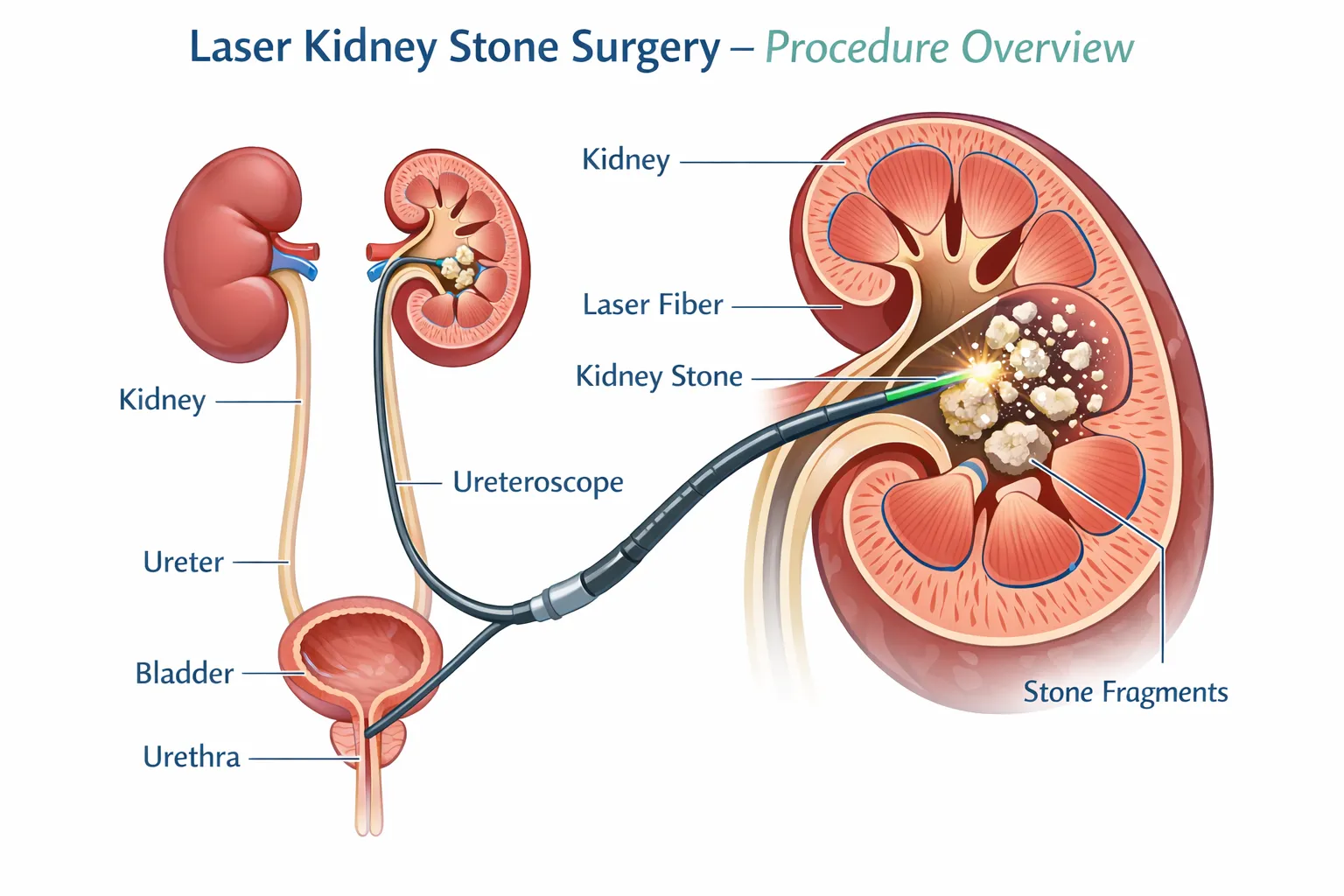
Laser kidney stone surgery — also known as Holmium laser ureteroscopy (URS) or RIRS (Retrograde Intrarenal Surgery) — is a minimally invasive procedure that uses a powerful Holmium:YAG laser to precisely fragment kidney stones into fine dust. No incisions, no large cuts, no stitches.
A thin, flexible ureteroscope is passed naturally through the urethra and bladder up to the stone. The laser fibre then pulverises the stone completely — particles small enough to pass on their own in urine. Most patients are discharged the same day or the morning after surgery.
The right laser technique depends on your stone's size, location and composition. Our urologist selects the most effective approach for you.
Rigid ureteroscope passed to stones in the lower or mid-ureter. Holmium laser fragments the stone with pinpoint precision. Ideal for ureteric stones up to 15mm.
Most CommonA flexible ureteroscope navigates into the kidney itself to reach stones in the lower pole or complex anatomy. No incisions. Excellent for multiple or hard-to-reach stones.
Advanced TechniqueThe Holmium:YAG laser is the global gold standard for stone fragmentation. It can dust all stone types — calcium oxalate, uric acid, struvite and cystine — with extreme precision.
Gold StandardModern lasers operate in dusting mode — vaporising stones into microscopic particles that pass effortlessly in urine. This eliminates the need to retrieve stone fragments.
Latest InnovationRed symptoms require immediate attention. If you have any of these, consult our urologist without delay.
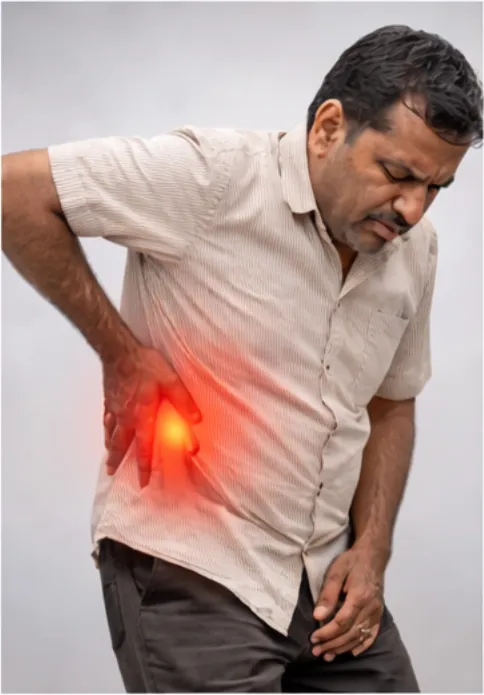
Intense, colicky pain in the back or side below the ribs — a hallmark sign that a stone is obstructing the ureter and laser surgery may be required
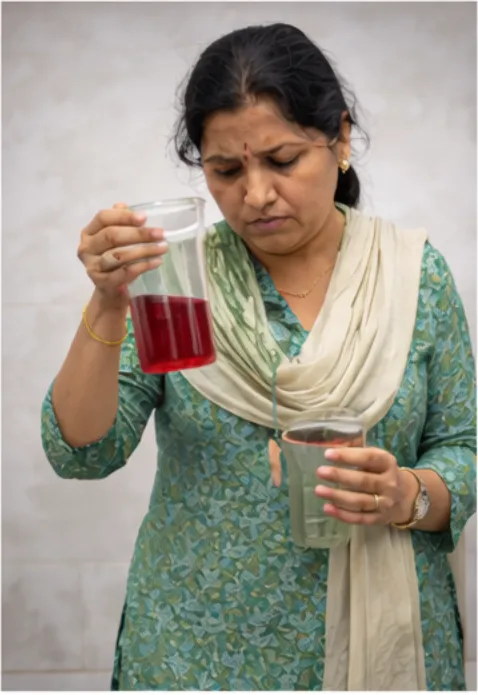
Pink, red or brown urine (haematuria) caused by the stone scratching the urinary tract lining — a clear indicator for prompt urological evaluation
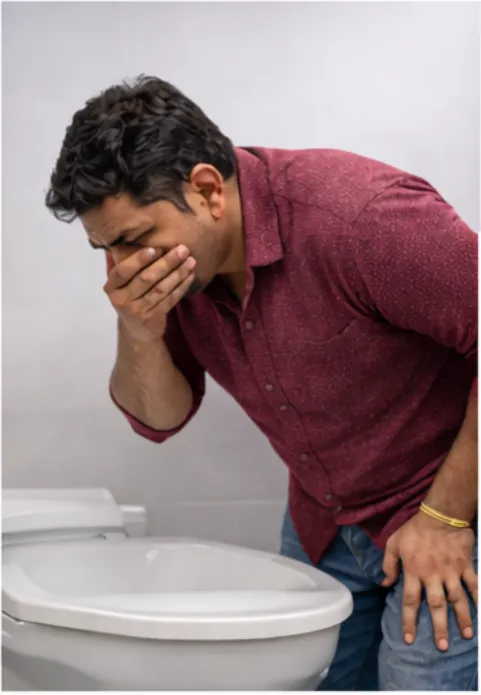
Reflex nausea triggered by nerve pathways shared between the kidneys and the digestive system — common when a stone is actively obstructing urine flow
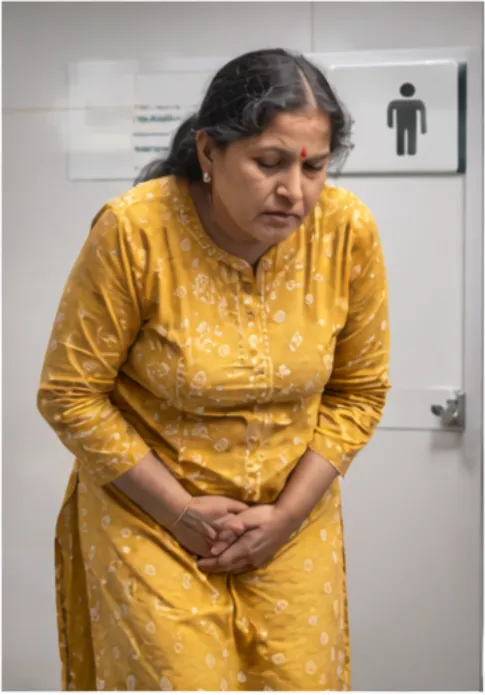
An urgent and persistent need to urinate, often in small amounts — typically signals the stone has descended near the bladder junction and may need urgent laser treatment
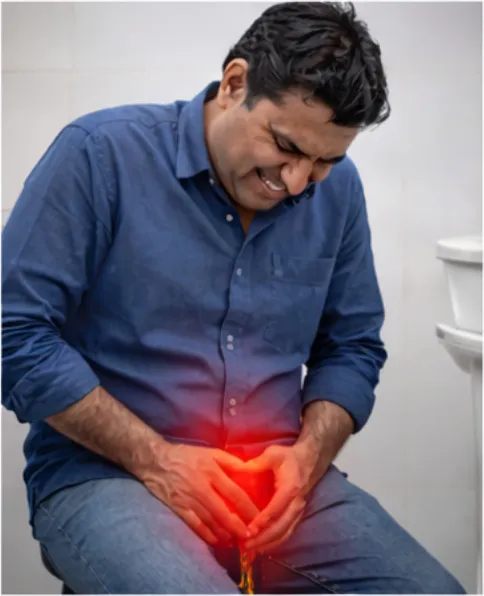
Dysuria (pain or burning during urination) as the stone scrapes against the sensitive urethral or ureteric lining — often indicating a stone at or near the bladder outlet

Fever alongside an obstructing stone is a urological emergency — it indicates infected hydronephrosis that requires urgent decompression and immediate laser surgery
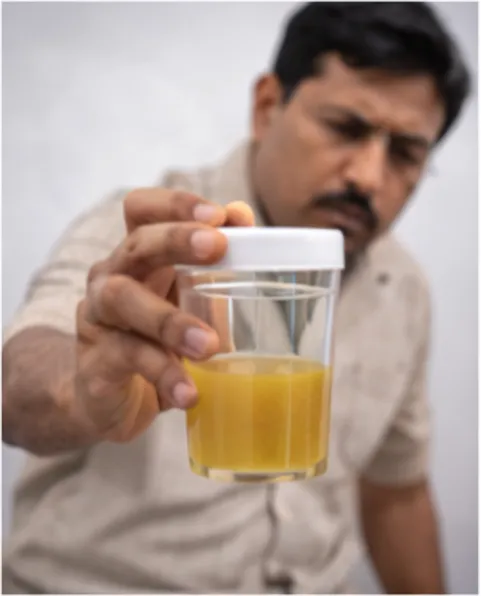
Turbid or foul-smelling urine suggests concurrent urinary tract infection alongside the stone — both conditions need to be addressed before laser surgery
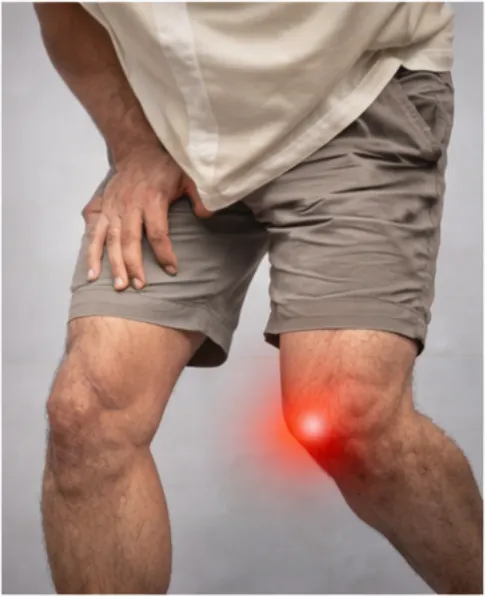
Referred pain radiating from the flank to the groin and inner thigh as the stone migrates downward through the ureter — a strong indicator for ureteroscopy assessment
For patients seeking kidney stone laser treatment in Ahmedabad, laser kidney stone surgery is a highly structured, minimally invasive procedure. Here is exactly what happens from pre-operative preparation to discharge.
Thousands of patients have achieved complete stone clearance through laser surgery at Trayam Hospital

Leads the Urology Department
Dr. Renish Patel is a highly experienced endourologist specialising in minimally invasive kidney stone treatment. With over 2,000 procedures performed — including ESWL, Holmium laser URS, RIRS and PCNL — dedicated to finding the least invasive, most effective solution for every patient.
Many patients are referred for laser surgery when simpler options would work, or are offered expensive technology upgrades that add cost without improving outcomes. You deserve transparent advice before committing.
We review your CT scan, stone location, size and composition before recommending laser surgery. No procedure is suggested without complete diagnostic clarity.
We walk you through every available approach — medical expulsion, ESWL, laser URS, RIRS — with honest pros, cons, costs and expected recovery. You make the final decision.
Every patient receives stone composition analysis and a personalised dietary, hydration and medication plan after laser surgery. Preventing recurrence is part of the service.
Get a second opinion or first laser surgery consultation — we’ll tell you honestly whether laser surgery is the right option for your specific stone, and exactly which technique suits you best.
Confidential · No Obligation · Reply in 2 Hours
Recovery after kidney stone laser treatment is fast. Following these post-operative guidelines ensures the best possible outcome and reduces your risk of future stones.
Laser kidney stone surgery (ureteroscopy or RIRS) uses a thin flexible scope passed through the urethra — no skin cuts. A Holmium:YAG laser fibre is guided to the stone and pulverises it into fine dust, which then passes naturally in urine. The whole procedure typically takes 30–60 minutes under anaesthesia.
The procedure is performed under general or spinal anaesthesia, so you feel nothing during the operation. Post-operatively, most patients experience only mild urinary discomfort — manageable with simple painkillers. If a JJ stent is placed, mild stent-related symptoms (frequency, minor discomfort) may occur until it is removed at 1–2 weeks.
Most URS laser procedures take 30–60 minutes. RIRS for complex stones may take up to 90 minutes. The majority of patients are discharged the same evening or next morning. Desk work typically resumes within 2–3 days, with full activity possible within 1–2 weeks.
Laser ureteroscopy (URS) is ideal for stones 5–20mm in the ureter or kidney. Flexible ureteroscopy (RIRS) can reach stones deep in the lower pole of the kidney or complex collecting system anatomy. Stones above 20mm may require PCNL, which will be discussed and recommended only if laser is not sufficient.
A JJ stent is commonly placed for 1–2 weeks after URS or RIRS to keep the ureter open and allow stone dust to clear. Most patients tolerate the stent well with prescribed antispasmodic medication. Stent removal is a quick outpatient procedure — it takes just a few minutes and requires no anaesthesia.
Without preventive measures, approximately 40–50% of patients have a recurrence within 5 years. At Trayam Hospital, every stone removed by laser is sent for composition analysis. Based on the results, our urologist and dietitian provide a personalised diet, hydration and medication plan that significantly reduces recurrence risk.
Yes, laser kidney stone surgery (ureteroscopy and RIRS) is covered by most health insurance policies in India. Trayam Hospital is empanelled with all major insurers including cashless facilities. Our dedicated insurance desk manages pre-authorisation and claims on your behalf.
Laser ureteroscopy is one of the safest urological procedures available, with an excellent safety profile. Rare risks include temporary urinary frequency, minor bleeding, or urinary tract infection. Ureteral injury is extremely uncommon with modern flexible scopes. Serious complications are rare. Your urologist will discuss all risks in detail at your pre-operative consultation.
Same-day consultations available. Our urologist will confirm whether laser surgery is right for your stone — fast and honestly.